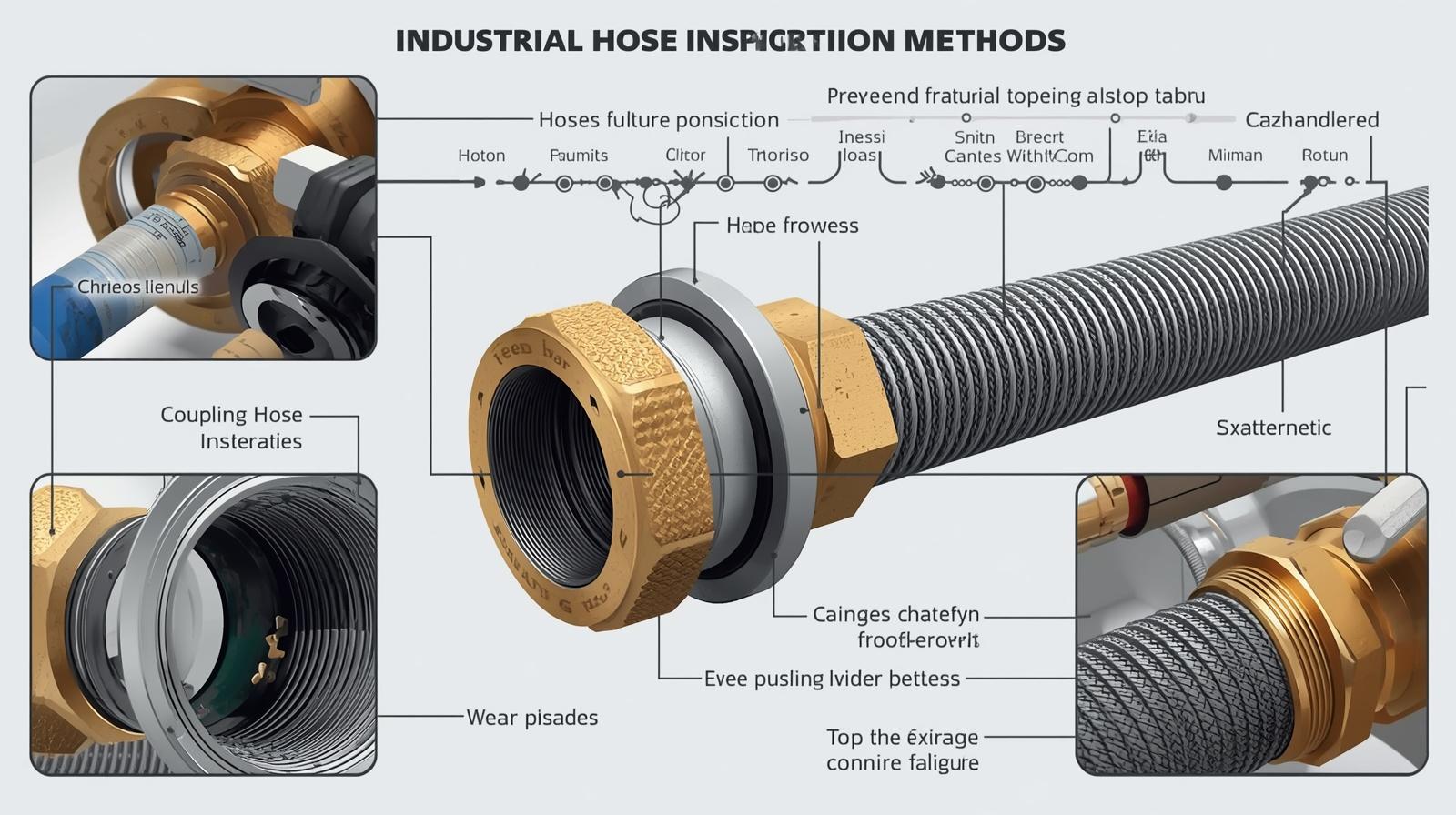
A single hose failure can shut down a production line, spill hazardous fluids, or injure a worker in seconds. That risk is exactly why industrial hose inspection methods matter so much in plants, refineries, construction sites, and processing facilities. Hoses carry water, chemicals, fuel, steam, and compressed air under high pressure, and they wear out over time.
This guide walks you through practical ways to spot trouble early. You’ll learn how to check hoses, why testing matters, how often to inspect, and when to replace a worn unit. The goal is simple: fewer leaks, fewer breakdowns, and a safer workplace.
What Are Industrial Hose Inspection Methods?
Industrial hose inspection methods are the structured steps maintenance teams use to check the condition of a hose during its working life. They combine visual checks, hands-on inspection, and pressure-based testing.

These methods usually fall into three groups:
- Visual inspection – looking for surface damage and wear.
- Physical inspection – touching and flexing the hose to feel for soft spots or stiffness.
- Performance testing – using pressure and flow tests to confirm the hose holds up under load.
Used together, these checks help you catch small problems before they grow into expensive failures.
Common Causes of Hose Leakage and Failure
Hoses don’t usually fail without warning. Most problems trace back to a few common causes:
- Aging and material fatigue – rubber hardens and cracks over time.
- Overpressure – running a hose above its rated pressure weakens the structure.
- Chemical attack – fluids that aren’t compatible with the hose material degrade the lining.
- Heat and cold – extreme temperatures cause swelling, cracking, or brittleness.
- Poor fittings – loose or mismatched couplings cause leaks and blowouts.
- Abrasion and kinking – dragging hoses across rough surfaces wears the cover.
Knowing these causes helps you focus your inspections where failures are most likely to start.
Visual Inspection Checklist
A quick visual check should happen before every shift or use. Walk the full length of the hose and look closely. Here’s what to watch for:
- Cracks – fine surface cracks signal aging or sun damage.
- Cuts and gouges – deep cuts that expose the reinforcement layer.
- Bulges or blisters – a sign the inner tube has separated or weakened.
- Abrasion – worn covers from rubbing against equipment or floors.
- Fittings – loose, corroded, or damaged couplings and clamps.
- Corrosion – rust on metal end connections that can leak under pressure.
If you spot any of these, tag the hose and pull it from service until it’s been checked further. A two-minute look can prevent a major incident.
Importance of a Hose Leakage Test Before and During Use
Visual checks catch surface problems, but they can’t reveal hidden weakness inside the hose. That’s where a hose leakage test comes in.
Before putting a hose into service, run a pressure test to confirm it holds its rated pressure without seeping or bursting. This is especially important for hoses carrying gas, fuel, or hazardous chemicals.
During use, watch for slow drips, pressure drops, or damp spots near fittings. These often point to a developing leak. Repeating a hose leakage test at set intervals gives you confidence that the hose still performs safely.
A simple test cycle looks like this:
- Isolate and clean the hose.
- Pressurize it to the recommended test level.
- Hold the pressure and check for drops or visible leaks.
- Record the result for your maintenance log.
The Role of Rubber Hose Quality Testing in Reliability
Reliability starts long before a hose reaches your site. Rubber hose quality testing at the manufacturing stage confirms that materials, construction, and pressure ratings meet the right standards.
Quality checks usually cover:
- Burst pressure and working pressure limits
- Material strength and flexibility
- Resistance to heat, ozone, and chemicals
- Bonding between the tube, reinforcement, and cover
When you buy from a supplier that performs thorough rubber hose quality testing, you get fewer surprises in the field. That means hoses last longer and behave predictably under stress. It also makes your own inspections easier, because you’re starting with a known, trusted baseline.
How Industrial Hose Safety Testing Prevents Accidents
A hose that fails under pressure can whip violently, release scalding steam, or spray corrosive fluid. Industrial hose safety testing is designed to prevent these dangerous events.
Safety testing focuses on real-world conditions: full operating pressure, temperature swings, and repeated flexing. It confirms that a hose won’t fail when workers are nearby.
Regular industrial hose safety testing also supports compliance with workplace safety rules. More importantly, it protects your team. Every passed test is one less chance of an injury, a chemical spill, or unplanned downtime.
Recommended Inspection Frequency by Application
How often you inspect depends on how hard the hose works. Use these general guidelines:
- High-risk applications (fuel, chemicals, steam): daily visual checks and monthly pressure tests.
- Heavy industrial use (hydraulics, abrasion-prone jobs): weekly visual checks and quarterly testing.
- Light-duty applications (water, low-pressure air): monthly visual checks and annual testing.
Always follow the manufacturer’s schedule when it’s stricter than these defaults. Logging each inspection helps you track wear trends over time.
Warning Signs a Hose Should Be Replaced
Some damage can’t be repaired safely. Replace a hose right away if you see:
- Bulges, blisters, or soft spots
- Cracks deep enough to expose reinforcement
- Stiff, brittle, or sticky rubber
- Leaks at the fitting that don’t stop after re-tightening
- Heavy corrosion on couplings
- A hose that has exceeded its service life
When in doubt, replace it. A new hose costs far less than the downtime or injury caused by a failure.
Best Practices to Extend Hose Life
A few simple habits can add years to a hose’s working life:
- Store hoses properly – keep them coiled loosely, away from sunlight and heat.
- Match the hose to the job – use the correct material and pressure rating.
- Avoid kinks and sharp bends – respect the minimum bend radius.
- Protect against abrasion – use sleeves or guards in rough areas.
- Clean after use – flush out residue from chemicals or abrasives.
- Keep records – log every inspection and test result.
These steps reduce wear and make your inspections more meaningful over time.
Conclusion
Strong industrial hose inspection methods are the foundation of a safe, efficient operation. Regular visual checks, routine leakage tests, and proper quality testing work together to catch problems early and keep your team protected.
Build inspection into your daily routine, follow a clear schedule, and replace worn hoses without delay. The payoff is fewer leaks, less downtime, and a safer plant. For reliable hose solutions, choose tested and quality-focused products from Rubber Hose India LLP.
Frequently Asked Questions
1. How often should I inspect industrial hoses?
It depends on the application. High-risk hoses need daily visual checks and monthly pressure tests, while light-duty hoses may only need monthly checks and annual testing.
2. What is a hose leakage test?
A hose leakage test pressurizes the hose to its rated level and checks for drops or visible leaks. It confirms the hose can hold pressure safely before and during use.
3. Why does rubber hose quality testing matter?
Rubber hose quality testing confirms that materials and construction meet pressure and durability standards. It gives you a reliable starting point and reduces field failures.
4. What are the clearest signs a hose needs replacing?
Bulges, deep cracks, brittle rubber, persistent fitting leaks, and heavy corrosion all signal that a hose should be replaced immediately.

5. How does industrial hose safety testing prevent accidents?
It checks how hoses perform under real operating conditions, confirming they won’t burst or fail near workers. This lowers the risk of injuries, spills, and downtime.