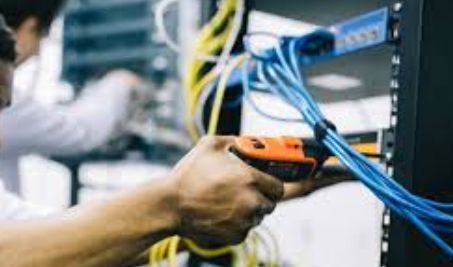
Kuwait continues to invest in digital infrastructure, smart systems, telecom networks, and enterprise IT solutions. Because of this, the demand for an Internet network technician kuwait has grown in recent years. Businesses rely on stable internet connections, secure networks, and efficient communication systems. From corporate offices to hospitals, schools, oil companies, and telecom providers, skilled network technicians play a key role in keeping systems running.
If you want to work in Kuwait’s IT industry or hire a network specialist, understanding this profession helps. This guide explains responsibilities, required skills, salary expectations, certifications, and career opportunities.
What Does an Internet Network Technician Do?
An internet network technician installs, maintains, troubleshoots, and upgrades computer networks and internet systems. Their main responsibility is making sure users have stable and secure internet connectivity.

Daily tasks often include:
- Installing routers, switches, and wireless devices
- Configuring LAN and WAN networks
- Solving internet connection issues
- Monitoring network performance
- Managing IP addresses and DNS settings
- Troubleshooting hardware failures
- Maintaining fiber optic connections
- Installing structured cabling systems
- Supporting cybersecurity measures
Network technicians may work for internet service providers, IT companies, telecom operators, or large organizations with internal IT departments.
In Kuwait, many companies need technicians who can handle both networking and basic IT support duties.
Why Internet Network Technicians Are in Demand in Kuwait
Kuwait’s digital transformation has increased the need for skilled networking professionals. Businesses now depend heavily on cloud systems, online communication, remote work tools, and data security.
Several industries actively hire network technicians:
Telecommunication companies – internet and mobile service providers need technicians to maintain infrastructure.
Oil and gas companies – industrial operations rely on stable communication systems.
Healthcare organizations – hospitals require secure networks for patient systems.
Educational institutions – universities and schools use large-scale networks.
Retail and corporate offices – online payment systems and business operations need uninterrupted connectivity.
Growing technology adoption means networking roles remain important.
Skills Required to Become an Internet Network Technician in Kuwait
Employers generally look for technical skills combined with problem-solving ability. A good network technician understands both hardware and software systems.
Important skills include:
Networking knowledge
Understanding TCP/IP, DNS, DHCP, VPN, subnetting, and routing concepts is essential.
Hardware installation
Technicians should know how to install routers, switches, firewalls, and wireless access points.
Troubleshooting ability
Quickly identifying and solving internet failures is a major part of the job.
Operating systems
Knowledge of Windows Server and Linux environments is valuable.
Security awareness
Basic cybersecurity skills help protect networks from attacks.
Communication skills
Technicians often explain technical problems to non-technical users.
Strong troubleshooting skills often make technicians more valuable than certifications alone.
Certifications That Improve Job Opportunities
Many Kuwait employers prefer certified candidates because certifications show practical knowledge.
Popular networking certifications include:
Cisco Certified Network Associate (CCNA)
One of the most recognized networking certifications worldwide.
CompTIA Network+
Suitable for beginners entering networking careers.
Cisco Certified Network Professional (CCNP)
Useful for advanced networking positions.
Microsoft Certifications
Helpful for technicians managing Windows servers.
Fiber Optic Technician Certifications
Important for roles involving telecommunications infrastructure.
Candidates with certifications often receive better salary offers.
Salary of Internet Network Technicians in Kuwait
Salary depends on experience, certification level, and employer type. Large companies usually offer higher packages.
Average salary ranges may look like:
- Entry-level technician: 250–400 KWD monthly
- Mid-level technician: 400–700 KWD monthly
- Experienced technician: 700–1,200+ KWD monthly
- Specialized network engineers: Higher compensation possible
Benefits sometimes include:
- Accommodation allowance
- Transportation allowance
- Health insurance
- Annual flight tickets
- Paid leave
Actual salaries vary depending on company requirements and technical expertise.
Qualifications Needed for Networking Jobs in Kuwait
Educational requirements differ among employers. Many positions ask for:
- Diploma in Information Technology
- Diploma in Networking
- Computer Science degree
- Telecommunications background
- IT certifications with practical experience
Some employers value experience more than academic qualifications.
Hands-on experience with routers, switches, and network troubleshooting often improves hiring chances.
Common Tools Used by Network Technicians
Network professionals work with several tools and platforms daily. Knowing these increases employability.
Common technologies include:
- Cisco routers and switches
- MikroTik devices
- Fortinet firewalls
- Ubiquiti systems
- Fiber optic testing tools
- Wi-Fi analyzers
- Network monitoring software
- Windows Server systems
Experience with enterprise equipment gives candidates an advantage in Kuwait’s job market.
Career Growth Opportunities in Kuwait Networking Industry
Starting as an internet network technician can lead to higher-level positions over time.
Career progression may include:
Junior Network Technician → Network Technician → Senior Technician → Network Administrator → Network Engineer → IT Manager
Additional certifications and practical experience support career advancement.
Professionals may later specialize in:
- Cybersecurity
- Cloud networking
- Data centers
- Telecom infrastructure
- Systems administration
- Network engineering
Technology careers reward continuous learning.
Tips for Getting an Internet Network Technician Job in Kuwait
Finding networking jobs becomes easier with preparation. Candidates should build technical skills and present experience clearly.
Helpful steps include:
Gain practical experience through internships or IT support work.
Complete recognized certifications like CCNA or Network+.
Prepare a professional CV highlighting networking projects.
Practice troubleshooting scenarios.
Apply through Kuwait job portals, recruitment agencies, and company websites.
Build LinkedIn profiles focused on networking skills.
Employers often prefer candidates who can demonstrate real-world problem-solving ability.
Conclusion
The role of an internet network technician in Kuwait remains important as businesses rely more on digital systems and stable connectivity. Skilled technicians help organizations maintain secure and efficient networks while reducing downtime.
For anyone considering a networking career, Kuwait offers opportunities across telecom, healthcare, education, oil and gas, and corporate sectors. Building technical knowledge, earning certifications, and gaining hands-on experience can improve career growth and salary potential.

As technology expands, networking professionals continue to play a major role in supporting modern infrastructure.