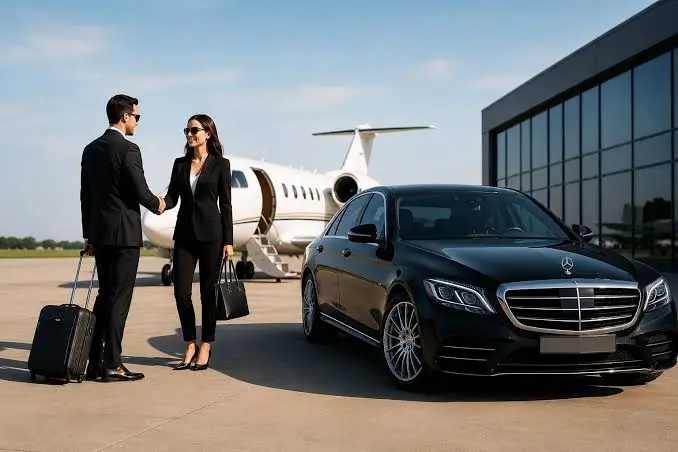
Catching a flight requires strict timing. For residents in the 08057 area, getting to the airport introduces multiple logistical challenges. Driving yourself means navigating unpredictable highway traffic and dealing with expensive long-term parking lots. Relying on ride-hailing apps often leads to last-minute cancellations or unverified drivers. This guide addresses these specific transit issues. It outlines how limo service Moorestown coordinates travel between Burlington County and the region’s primary international airports.
Commute Dynamics: Distance and Travel Times from Moorestown, NJ to PHL and EWR
Highway congestion in South Jersey can instantly disrupt a travel schedule. Accurate route planning must account for peak traffic hours, construction zones, and toll bottlenecks.
Anticipating Drive Times to Philadelphia International Airport (PHL)
Philadelphia International Airport sits roughly 21 miles from the center of Moorestown. Under ideal driving conditions, this door-to-door transit takes approximately 30 to 35 minutes. However, the commute varies wildly based on the time of day.

Drivers head west from the township along Route 38 or Route 73 to merge onto I-295 South. The primary morning bottleneck occurs between 7:00 AM and 9:30 AM near Cherry Hill and Mt. Laurel. Heavy volume slows down the transition toward the Walt Whitman Bridge or the Ben Franklin Bridge.
If you choose the Walt Whitman Bridge, traffic frequently backs up near the I-76 split. Crossing into Pennsylvania leads directly to I-95 South, where the airport exits are clearly marked. During afternoon peak hours from 4:00 PM to 6:30 PM, the return trip faces similar delays. Professional drivers track these patterns daily. They adjust departure times outward by 20 to 30 minutes during rush hours to prevent missed flights.
Navigating the New Jersey Turnpike to Newark Liberty International Airport (EWR)
Traveling northward to Newark Liberty International Airport requires a much longer journey. The distance covered is about 72 miles. On a clear day, the drive takes between 75 and 90 minutes. The entire route relies heavily on the New Jersey Turnpike.
Vehicles enter the Turnpike at Exit 4 in Mt. Laurel. From there, the drive goes straight up the main state corridor. While the southern portion of the Turnpike moves smoothly, traffic intensifies near Exit 11 by Woodbridge. The final stretch toward Exit 14 near the EWR terminals suffers from frequent industrial truck congestion and lane merges.
Weather conditions and minor accidents can cause multi-mile backups on this toll road. If an afternoon flight departs EWR at 6:00 PM, a vehicle must leave Moorestown by 2:30 PM at the latest. This wide buffer window accounts for the unpredictable merge zones near the outer lanes of the northern Turnpike segments.
Eliminating Travel Friction: How Private Chauffeur Services Manage Airport Logistics
Ground transportation becomes stressful when passengers must handle scheduling errors or vehicle space issues on their own. Professional transit solves these common hurdles before the trip begins.
Automated Flight Monitoring for Delay and Early Arrival Adjustments
Flight times change constantly due to weather patterns and air traffic control decisions. Passengers cannot always update their ground transport while sitting on an airplane. To solve this, dispatch teams utilize specialized flight tracking software.
Passengers provide their airline and flight number during the booking process. The system connects directly to live aviation data feeds. If a flight from London to PHL lands 45 minutes early, the software alerts the system. The driver receives an automatic update on their mobile terminal. The chauffeur repositions the vehicle to match the new landing time.
The same rule applies to extended delays. If a business traveler faces a three-hour departure delay at Chicago O’Hare, the pickup time shifts back. This real-time arrival monitoring eliminates wait-time fees. It ensures a vehicle is always waiting on the tarmac, regardless of shifting airline schedules.
Fleet Matching: Selecting Vehicles for Luggage and Passenger Capacity
A common travel mistake is booking a vehicle that cannot fit both the passengers and their bags. Standard rideshare sedans often fail to accommodate large hard-shell suitcases or golf clubs. Professional fleets prevent this issue by matching specific vehicle classes to exact passenger cargo inputs.
- Executive Sedans: These vehicles suit one to three passengers traveling with standard carry-on bags. They offer fuel efficiency and smooth navigation through tight airport pickup lanes.
- Luxury SUVs: Larger groups or families require full-size SUVs. These vehicles comfortably seat up to six passengers. The rear cargo space handles multiple large checked bags, strollers, and oversized items easily.
- Executive Sprinter Vans: For corporate teams or extended families of seven or more, Sprinter vans provide the necessary space. They allow passengers to stand up inside and keep heavy luggage completely separate from the seating area.
By establishing capacity limits before dispatch, passengers avoid terminal surprises. No one has to ride with a heavy suitcase resting on their lap.
Arrival and Departure Protocols at PHL and EWR Terminals
Airport security zones and terminal configurations create friction for arriving and departing travelers. Navigating these crowded spaces requires organized execution from the driver.
Streamlined Departure Drop-offs Near Airline Check-in Counters
Arriving at the airport terminal requires quick action to avoid blocking the active traffic lanes. Drivers utilize dedicated commercial vehicle lanes to access the curbside drop-off zones safely.
The driver identifies the specific airline terminal before pulling up to the curb. They park the vehicle directly in front of the closest entry doors to the airline’s check-in counter. This positioning minimizes the distance passengers must walk while carrying heavy bags. The chauffeur exits the vehicle immediately to unload all luggage from the trunk. They place the bags safely onto the sidewalk or onto an airport luggage cart. This swift workflow allows travelers to proceed straight to the TSA checkpoints without wasting time.
Inside Meet-and-Greet vs. Express Curbside Pickup for Arrivals
Navigating an unfamiliar airport after a long flight causes confusion. Passengers can choose between two organized pickup methods based on their comfort level and schedule.
The first option is the inside meet-and-greet service. The chauffeur parks the vehicle in the terminal garage and walks inside the building. They stand at the designated baggage claim area holding a clear digital sign with the passenger’s name. The driver assists with retrieving heavy bags from the carousel and escorts the group directly to the parked vehicle.
When evaluating options for a premium limo service Moorestown, choosing a provider that offers tailored arrival workflows ensures a stress-free transition from the tarmac to your home.
The second option is express curbside pickup. This method benefits frequent flyers who travel light and want to leave immediately. The passenger maintains active chauffeur communication via text message after landing. Once the passenger collects their personal items and walks toward the outer exit doors, they notify the driver. The chauffeur pulls out of the nearby commercial cell-phone lot and meets the passenger at the curb within three minutes.
Corporate Travel Solutions for Burlington County Businesses
Local businesses must manage ground travel budgets while ensuring executive employees remain productive on the road. Professional black car service options fulfill these specific operational needs.
Dedicated Ground Transit for Corporate Hubs Along Route 38
Moorestown houses prominent commercial sectors, including office parks right along Route 38 and the East Gate Business Center. Companies located in these zones rely on consistent transport for visiting stakeholders and remote employees.
Using an executive transportation service eliminates the need for employees to file individual travel expense receipts. Travel managers utilize corporate charge accounts to handle all bookings through a single portal. The system provides centralized billing, which generates clear, itemized monthly invoices for the accounting team.
Vehicles arrive early at corporate headquarters to ensure clients reach their meetings on time. The quiet interiors of executive vehicles allow passengers to conduct confidential phone calls or work on laptops without interruption.
Reliable Chauffeured Service for Visiting Clients and Executives
First impressions matter when hosting out-of-town business partners. Sending a clean, professional vehicle to pick up an executive at the airport reflects positively on your company’s operational standards.

Experienced chauffeurs undergo rigorous background checks and professional training. They dress in proper corporate attire and understand local geography intimately. If a client’s flight lands at EWR, the driver knows how to navigate the fastest toll routes back to Burlington County hotels. This reliable executive ground travel removes logistics pressure from the visiting client. They can relax or prepare for upcoming presentations while the driver manages the highway commute safely.