Every traveler who dreams of watching mountain gorillas emerge through misty jungle undergrowth, or witnessing elephants wade through the papyrus swamps of Queen Elizabeth National Park, arrives at the same crossroads sooner or later do you go luxury or budget? It is one of the most important decisions you will make when planning Uganda Safaris, and the good news is that both paths lead to genuinely unforgettable experiences. The key is understanding what each option truly delivers and which one matches your travel style, priorities, and wallet.
What Uganda Safaris Actually Offer
Uganda sits at the heart of East Africa, cradling some of the continent’s most biodiverse ecosystems. Bwindi Impenetrable National Park holds nearly half the world’s remaining mountain gorillas. Murchison Falls National Park sends the entire force of the Nile crashing through a seven-meter gap in the rocks. Kidepo Valley National Park, remote and raw, rewards those willing to venture off the well-worn path.
When you book Uganda Safaris, you are not just buying a ticket to see wildlife. You are choosing a pace, a comfort level, and a depth of experience. Luxury and budget safaris both access the same parks, the same gorilla permits, and the same golden savannah sunsets, but the journey between those moments looks very different depending on the path you choose.

The Case for a Luxury Uganda Safari
Luxury safaris in Uganda are built around one philosophy: remove every friction point so you can be fully present in the wild.
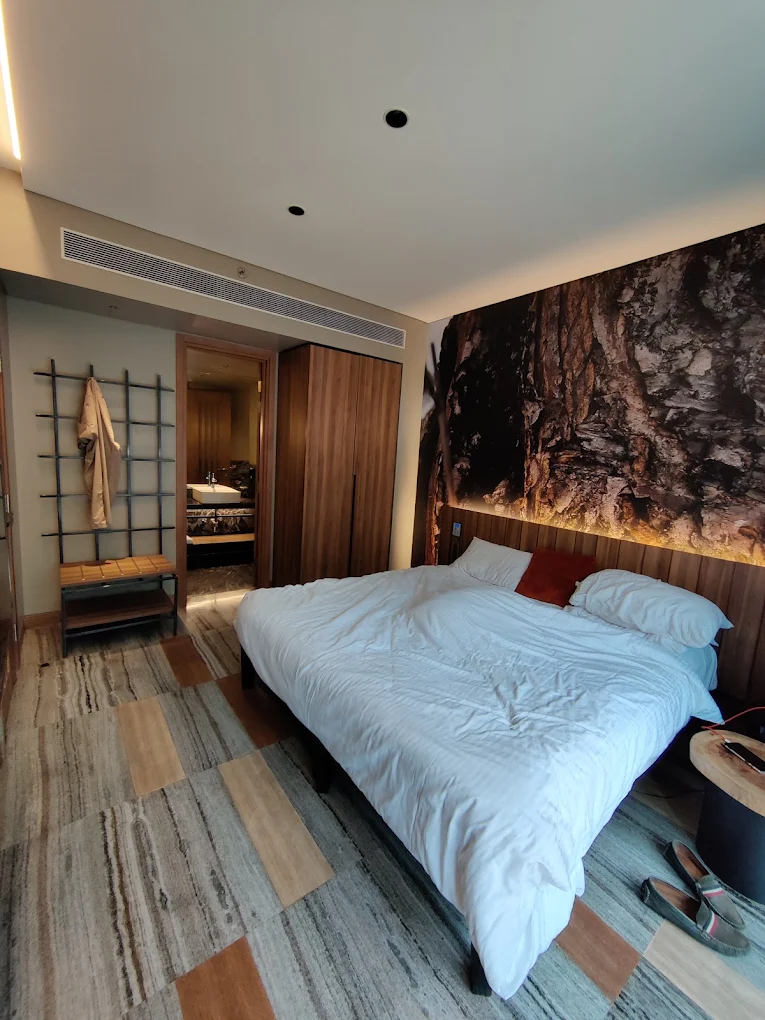
You stay in lodges like Bwindi Lodge or Sanctuary Gorilla Forest Camp, where infinity pools overlook the forest canopy, chefs prepare fresh three-course meals using locally sourced ingredients, and ranger-guided evening walks are included without an extra charge. Your vehicle is a private, customized Land Cruiser with a pop-up roof, charging ports, and a trained naturalist sitting beside you who knows the name of every bird that crosses your path.
The gorilla trekking experience itself does not change; everyone walks the same jungle trails and follows the same one-hour rule with the gorilla family. But when you return from the trek, the luxury traveller steps into a hot outdoor shower, collapses into a four-poster bed, and sips a sundowner while recounting the morning. That recovery and comfort genuinely matter on a multi-day itinerary.
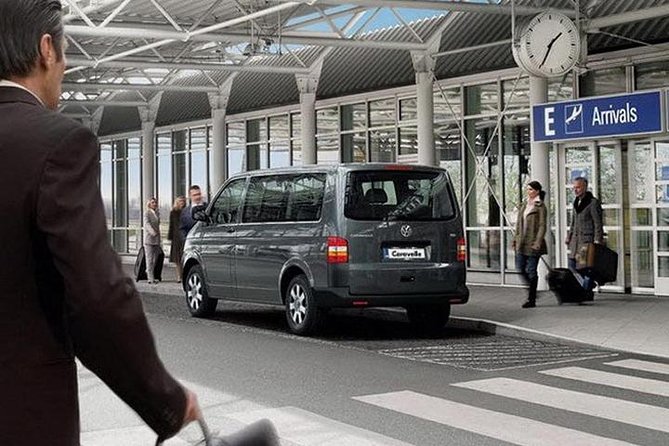
Luxury safari operators also handle all the complex logistics. Internal flights between parks, park entry fees, gorilla permits, and airport transfers are typically bundled into a single package. For travellers with limited time or high expectations for seamless travel, this is worth every extra dollar spent.
Expect to pay USD 600 – USD 1,500+ per person per night, depending on the lodge and season.
The Case for a Budget Uganda Safari
Budget safaris in Uganda are not about cutting corners they are about spending smart and embracing the raw texture of travel.
You stay in clean guesthouses and mid-range campsites close to park entrances. You share a safari vehicle with a small group of like-minded travelers. You cook some of your own meals or eat at local restaurants where a plate of matoke, beans, and groundnut stew costs less than two dollars and tastes extraordinary. You move between parks by road, watching the countryside shift from banana plantations to open savannah over hours of dusty, scenic driving.
Budget travelers often report that the slower, ground-level pace brings unexpected rewards. Roadside interactions, local markets, and unscheduled stops at village lookouts become part of the story. The gorilla permit costs the same USD 700 regardless of whether you booked it through a luxury operator or a budget tour company. The gorillas do not check your accommodation rating.
A well-organised budget safari through Uganda can cost as little as USD 150 – USD 300 per person per day, including permits, accommodation, meals, and transport.
Building Your African Safari Packing List
Whether you choose luxury or budget, what you pack shapes your comfort on the ground more than almost any other factor. A smart African safari packing list is not about bringing the most gear it is about bringing the right gear.
Clothing essentials: Pack neutral-colored layers in khaki, olive, and brown. Bright colors disturb wildlife and attract insects. For gorilla trekking specifically, long-sleeved shirts and long trousers protect your arms and legs from stinging nettles and biting ants on the forest floor. A lightweight rain jacket is non-negotiable. Bwindi earns its name “impenetrable” partly because rain arrives without warning.
Footwear: Sturdy, ankle-supporting hiking boots are the single most important item on your African safari packing list. Break them in before you travel. Wet, muddy trails during gorilla trekking will punish brand-new boots and soft-soled shoes equally.
Health and protection: Bring high-SPF sunscreen, insect repellent containing DEET, and a wide-brimmed hat. Malaria prophylactics are strongly recommended; consult your doctor at least four weeks before departure. A small personal first aid kit with blister plasters, rehydration sachets, and antihistamines handles most minor trail emergencies.
Electronics: A camera with a quality zoom lens captures wildlife at a respectful distance. Bring extra batteries and memory cards, because charging opportunities in remote parks can be limited. A universal travel adaptor and a portable power bank keep everything running.
Documents and money: Carry physical copies of your gorilla permit, travel insurance, and passport in a waterproof document pouch. Uganda’s more remote areas run on cash carry Ugandan shillings for tips, local meals, and market purchases.
The Middle Path: Mid-Range Uganda Safaris
It is worth noting that Uganda’s mid-range accommodation sector has grown significantly. Lodges like Clouds Mountain Gorilla Lodge and Gorilla Valley Lodge offer genuine comfort, en-suite bathrooms, excellent food, and knowledgeable guides at price points of USD 250 to USD 500 per person per night. For many travellers, this middle path delivers the best of both worlds: real comfort without the luxury premium.
Final Word
Uganda does not reward the traveler who hesitates. Gorilla permits sell out months in advance. The park seasons move on their own schedule. Whether you are planning a high-end lodge experience or a lean, ground-level adventure, what matters most is that you go and that you go prepared.
Both luxury and budget Uganda Safaris place you inside one of Africa’s last great wild places. The mountain gorillas do not care which lodge you slept in the night before. They emerge from the forest the same way for everyone: slowly, powerfully, and entirely on their own terms. That moment belongs to you regardless of your budget.
Pack your bags. Get your African safari packing list right. And choose the version of Uganda that genuinely excites you because both versions are extraordinary.
How to Decide: Luxury or Budget?
Ask yourself three honest questions.
1. First, how much time do you have?
Luxury safaris compress efficiently, internal flights cut travel time dramatically. Budget safaris require more days on the road, which is wonderful if you have the time and exhausting if you do not.
2. what drives you?
If connecting deeply with local culture, meeting other independent travelers, and building a story through imperfect, vivid moments excites you, Budget Safari delivers that authentically. If you want the wildlife experience held in a frame of total comfort where you never worry about hot water, meal quality, or a bone-rattling vehicle then the investment in luxury is rational, not extravagant.
3. Are you travelling with children, elderly family members, or anyone with physical limitations?

Luxury lodges are far better equipped to handle varied mobility needs and special dietary requirements. Budget camps, while welcoming, rarely offer the same adaptability.