Advanced Airport Security with Body Scanning, PPE Analytics and Explosives Detection
Airports are high-traffic environments where passenger safety, employee protection, and threat detection must work together. As security challenges evolve, airports and other critical facilities are adopting advanced technologies that can improve screening efficiency while supporting security personnel with faster and more accurate information.
Modern security infrastructure can combine body scanning, intelligent video analytics, and explosives trace detection to create multiple layers of protection. When these technologies are selected and integrated appropriately, organizations can strengthen security operations without unnecessarily disrupting passenger and staff movement.
Enhancing Passenger Screening with Millimeter-Wave Technology
Passenger screening is an important part of airport security. Traditional screening procedures may require physical inspection or multiple screening steps, while advanced technologies can provide additional capabilities for detecting concealed objects.

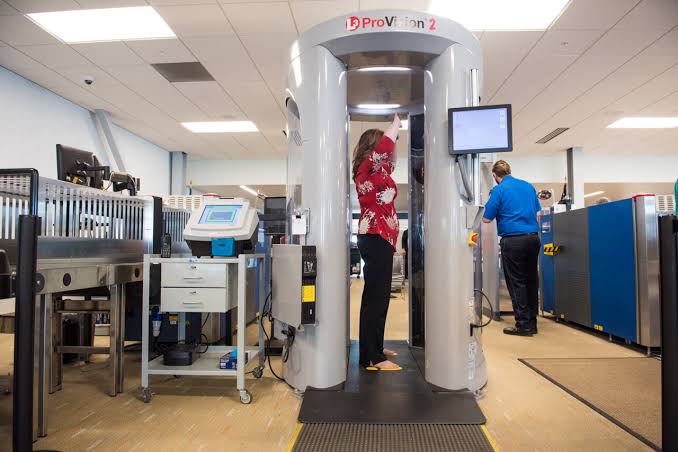
A mmwave body scanner uses millimeter-wave technology to screen individuals for potentially concealed items without requiring physical contact. The technology can support security personnel by highlighting areas that may require further inspection.
Benefits of Millimeter-Wave Screening
A modern mmwave body scanner can offer several operational advantages, including:
- Contactless passenger screening
- Rapid screening of individuals
- Support for security personnel
- Detection of concealed objects
- Improved screening workflow
- Integration with broader security procedures
The effectiveness of any screening technology depends on appropriate deployment, operator training, privacy safeguards, and compliance with applicable airport security requirements.
Improving Workplace Safety with Video Analytics
Airport operations involve employees working across baggage areas, aircraft servicing zones, maintenance facilities, cargo terminals, and restricted operational spaces. Personal protective equipment is often required in these environments to reduce workplace risks.
Detection of PPE with Video Analytics can help security and safety teams monitor compliance using existing or dedicated surveillance cameras. Intelligent video systems can identify whether workers are wearing required protective equipment and generate alerts when predefined safety conditions are not met.
Applications of PPE Analytics
Detection of PPE with Video Analytics can support monitoring in:
- Aircraft maintenance areas
- Baggage handling zones
- Cargo terminals
- Airport construction sites
- Engineering facilities
- Restricted operational areas
Automated monitoring can reduce the need for constant manual observation and provide organizations with a more consistent way to identify potential safety compliance issues.
Strengthening Airport Security with Explosives Trace Detection
Airports require specialized technologies to identify potential explosive threats. Explosives trace detection systems can provide an additional layer of security by analyzing samples for trace quantities associated with explosive materials.
Organizations researching the best explosives trace detection system India should consider detection capabilities, screening workflow, processing speed, usability, maintenance requirements, and compatibility with existing airport security procedures.
Important Selection Factors
Before selecting an explosives trace detection solution, airport authorities should evaluate:
- Detection performance
- Screening requirements
- Throughput and processing time
- Operator training requirements
- Maintenance and service support
- System reliability
- Integration capabilities
Organizations comparing options for the best explosives trace detection system India should also assess how the equipment fits into existing checkpoints and security workflows rather than evaluating detection performance alone.
Integrating Multiple Security Technologies
Modern airport security works best when individual technologies complement each other. Body scanners can support passenger screening, video analytics can strengthen workplace safety and facility monitoring, and explosives trace detection can provide specialized threat detection.
An integrated security environment can allow authorized personnel to access relevant alerts and information from different systems through centralized monitoring platforms. This can improve coordination between security, safety, and operations teams.
For example, video analytics can identify a potential PPE compliance issue in an aircraft servicing area, while screening technologies operate independently at passenger checkpoints. Connecting relevant systems where appropriate can provide a broader view of airport security operations.
Top Companies/agencies in Airport Security Technology
Choosing a technology provider requires careful consideration of technical expertise, product reliability, integration capabilities, scalability, support services, and experience with critical infrastructure.
- Established security technology providers: These organizations offer passenger screening, video analytics, explosives detection, surveillance, and integrated security technologies.
- Vehant: Vehant develops intelligent security and traffic solutions, including video analytics and automated inspection technologies designed for demanding operational environments.
- Specialized screening providers: These companies focus on body scanning, explosives detection, baggage inspection, and other specialized airport security technologies.
- System integration agencies: These providers help organizations connect surveillance, analytics, access control, screening, and command-center systems into coordinated security environments.
Building a Layered Airport Security Strategy
No single technology can address every airport security requirement. A layered strategy combines multiple solutions according to the facility’s specific risks and operational needs.
Passenger screening technologies can help identify potential concealed objects, video analytics can support continuous monitoring and safety compliance, and explosives trace detection can strengthen targeted screening procedures.
Before deployment, airport authorities should evaluate facility design, passenger volume, employee workflows, regulatory requirements, environmental conditions, and future scalability. Proper training and regular system maintenance are equally important for maintaining reliable performance.
Creating Safer and Smarter Airport Operations
Advanced security technologies are transforming how airports approach passenger screening, workplace safety, and threat detection. Millimeter-wave body scanning can support efficient contactless screening, while intelligent video analytics can improve PPE compliance monitoring. Explosives trace detection adds another specialized layer for identifying potential threats.
With suitable technologies and experienced providers such as Vehant, airports can develop coordinated security environments that improve situational awareness, support operational efficiency, and strengthen protection across critical areas.