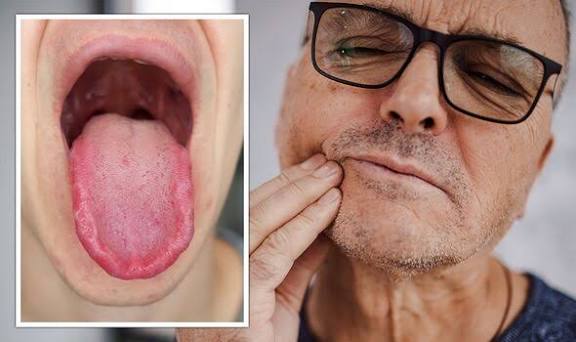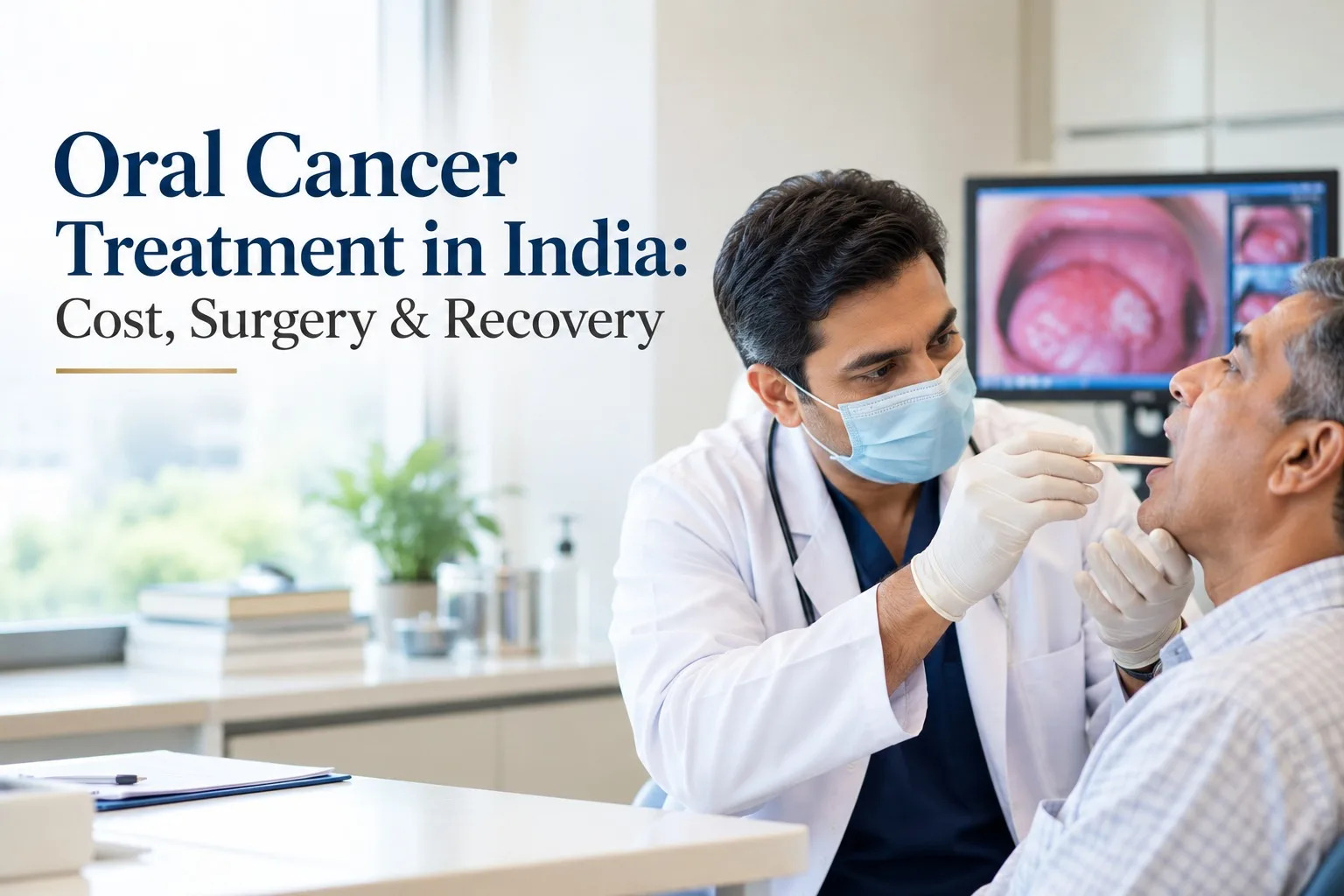
Oral cancer is a serious health condition that affects different parts of the mouth, including the tongue, gums, inner cheeks, lips, and the floor of the mouth. Early diagnosis and appropriate treatment can improve the chances of successful treatment and help patients maintain their quality of life. India has several hospitals offering specialized cancer care, experienced surgical teams, advanced diagnostic facilities, and different treatment approaches for patients with oral cancer.
For international patients, Oral cancer treatment in India may be an option worth exploring because treatment plans can be tailored to the patient’s medical condition, cancer stage, and financial circumstances. Understanding the available treatments, diagnostic procedures, expected costs, and recovery process can help patients and their families make informed decisions.
What Is Oral Cancer?
Oral cancer develops when abnormal cells grow uncontrollably in the tissues of the mouth. Most oral cancers are squamous cell carcinomas, which begin in the thin, flat cells lining the oral cavity.

The disease may affect the tongue, lips, cheeks, gums, the roof or floor of the mouth, and other nearby tissues. If it is not detected and treated, it may spread to lymph nodes in the neck or other parts of the body.
Common Symptoms of Oral Cancer
The symptoms can vary depending on the location and stage of the disease. Common warning signs include:
- A mouth ulcer or sore that does not heal.
- A persistent red or white patch inside the mouth.
- A lump, thickened area, or unusual growth in the mouth.
- Difficulty chewing, swallowing, or moving the tongue.
- Persistent pain in the mouth or throat.
- Unexplained bleeding or numbness in the mouth.
- A lump in the neck.
- Persistent hoarseness or changes in speech.
These symptoms do not always indicate cancer, but they should be assessed by a qualified healthcare professional, especially if they persist for more than two weeks.
What Causes Oral Cancer?
Several factors can increase the risk of developing oral cancer. Tobacco use is one of the most significant risk factors, particularly in regions where chewing tobacco and related products are common.
Other contributing factors include:
- Smoking cigarettes, cigars, or other tobacco products.
- Chewing tobacco, betel quid, or areca nut.
- Heavy alcohol consumption.
- Human papillomavirus (HPV), which is associated with certain cancers in the oral and throat region.
- Increasing age and a history of tobacco or alcohol exposure.
- Previous oral cancer or certain precancerous conditions.
Not everyone with these risk factors develops cancer, and some patients may have no obvious risk factors. Avoiding tobacco, limiting alcohol, and attending regular dental check-ups can help reduce risk and support early detection.
Why Consider India for Oral Cancer Treatment?
India has a developed network of cancer hospitals, multidisciplinary oncology teams, and medical facilities that treat different stages of oral cancer. Depending on the hospital and patient’s needs, treatment may involve oral and maxillofacial surgeons, head and neck surgical oncologists, medical oncologists, radiation oncologists, radiologists, pathologists, and rehabilitation specialists.
Specialized Cancer Care
Many major hospitals have dedicated oncology departments that assess and manage cancers of the mouth, head, and neck. A multidisciplinary team can review test results and recommend an appropriate treatment plan based on the patient’s individual condition.
Advanced Diagnostic Facilities
Hospitals may offer imaging tests, tissue biopsy, pathological examination, and other investigations to establish the diagnosis and determine whether the cancer has spread.
Different Treatment Options
Patients may have access to surgery, radiation therapy, chemotherapy, targeted therapy, immunotherapy, and reconstructive procedures when medically appropriate. Not every patient requires all these treatments.
Support for International Patients
International patient departments and medical tourism facilitators, including HealthRoop, may help patients arrange medical consultations, obtain treatment estimates, coordinate hospital appointments, and organize travel-related services. Patients should independently review the credentials of their treating specialists and confirm the details of any proposed treatment.
Diagnosis and Staging of Oral Cancer
Accurate diagnosis is essential because treatment depends on the cancer’s location, size, stage, and overall health of the patient.
Initial Consultation and Physical Examination
A doctor examines the mouth, tongue, gums, throat, and neck for suspicious lesions or enlarged lymph nodes. The patient’s symptoms, medical history, tobacco exposure, and previous treatments may also be reviewed.
Biopsy
A biopsy involves removing a small sample of suspicious tissue for laboratory examination. It is generally necessary to confirm whether a lesion is cancerous and identify its type.
Imaging Tests
Depending on the clinical situation, doctors may recommend CT scans, MRI, PET-CT, or other imaging studies. These tests help assess the size of the tumour, nearby structures, lymph nodes, and possible spread.
Cancer Staging
Oral cancer is commonly classified into stages from I to IV. Earlier-stage cancers are generally more localized, while advanced-stage disease may involve larger tumours, nearby structures, lymph nodes, or distant organs.
Staging helps the medical team choose suitable treatment and discuss the likely benefits, risks, and expected outcomes. The exact plan should be based on confirmed test results rather than symptoms alone.
Treatment Options for Oral Cancer in India
The choice of treatment depends on the stage of cancer, the affected area, whether lymph nodes are involved, and the patient’s overall health and preferences.
1. Surgery
Surgery is a common treatment for many localized oral cancers. The surgeon removes the tumour along with an appropriate margin of surrounding tissue to reduce the risk of leaving cancer cells behind.
If cancer has spread to lymph nodes in the neck, a neck dissection may be recommended. The extent of surgery varies from a relatively small removal of tissue to more complex procedures involving the tongue, jaw, or other structures.
Reconstructive Surgery
When removing a tumour creates a significant defect, reconstructive surgery may help restore the shape and function of the mouth. Surgeons may use tissue from another part of the body to rebuild affected areas.
Reconstruction can support speaking, swallowing, chewing, and appearance, although the degree of recovery depends on the extent of surgery and subsequent rehabilitation.
2. Radiation Therapy
Radiation therapy uses high-energy radiation to destroy cancer cells. It may be recommended after surgery when there is a higher risk of recurrence, or as part of a treatment plan for patients who are not suitable for certain operations.
Some patients with advanced disease may receive radiation alongside chemotherapy. Possible side effects include mouth soreness, dry mouth, difficulty swallowing, taste changes, and fatigue. The treating team can recommend strategies to manage these effects.
3. Chemotherapy
Chemotherapy uses medicines that destroy cancer cells or slow their growth. It may be combined with radiation therapy for selected patients with locally advanced disease, or used in certain recurrent or metastatic cases.
Side effects can include nausea, fatigue, reduced blood cell counts, appetite changes, and an increased risk of infection. Doctors monitor patients during treatment and adjust supportive care according to their needs.
4. Targeted Therapy and Immunotherapy
Targeted medicines act on specific biological features involved in cancer growth, while immunotherapy helps the immune system recognize and attack cancer cells.
These treatments may be appropriate for selected patients with advanced, recurrent, or metastatic disease, depending on tumour characteristics, previous treatments, and eligibility criteria. They are not suitable for every case of oral cancer.
5. Rehabilitation and Supportive Care
Treatment does not end with removing or controlling the tumour. Many patients benefit from speech therapy, swallowing exercises, nutritional support, dental care, pain management, and psychological support.
A coordinated rehabilitation plan can help patients regain function and adjust to changes following treatment.
Cost of Oral Cancer Treatment in India
The cost of treatment varies from one patient to another. The final estimate depends on the cancer stage, hospital, specialist fees, diagnostic tests, type of surgery, need for reconstruction, and whether radiation therapy or medicines are required.
The following table provides a general overview of the main cost factors.
| Treatment component | What affects the cost? |
| Diagnosis and staging | Biopsy, scans, laboratory tests |
| Oral cancer surgery | Tumour size, surgical complexity |
| Reconstructive surgery | Type of reconstruction required |
| Radiation therapy | Number of sessions and treatment technique |
| Chemotherapy | Medicines, cycles, and supportive care |
| Follow-up and rehabilitation | Consultations, nutrition, speech therapy |
There is no single reliable price for every case. Patients should request an individualized, itemized estimate from the hospital and confirm whether it includes medicines, hospital stays, follow-up appointments, and rehabilitation.
For international patients considering Oral cancer treatment in India, travel, accommodation, visa-related expenses, and the duration of treatment should also be included in the overall budget.
How to Choose the Right Hospital
Selecting a suitable hospital is an important step in the treatment journey. Patients should look beyond the advertised price and evaluate the hospital’s expertise and available support services.
Consider the following factors:
- Specialist experience: Look for a qualified head and neck surgical oncologist with experience treating oral cancer.
- Multidisciplinary care: Confirm that surgical, medical, and radiation oncology services are available when needed.
- Reconstruction facilities: Ask whether reconstructive surgery and rehabilitation are available if extensive surgery is required.
- Transparent pricing: Request a written estimate covering the proposed treatment and possible additional expenses.
- Patient support: International patients may benefit from assistance with appointments, accommodation, interpretation, and travel arrangements.
HealthRoop can help international patients explore suitable hospitals and coordinate consultations and treatment planning in India. The final choice of hospital and treatment should be based on specialist advice, medical records, and the patient’s individual needs.
Recovery After Oral Cancer Treatment
Recovery depends on the treatment received and the extent of the disease. Some patients recover relatively quickly after limited surgery, while others require a longer period of healing and rehabilitation.
Nutrition and Oral Care
After surgery or radiation therapy, patients may experience pain, mouth dryness, difficulty chewing, or swallowing problems. A healthcare professional or dietitian can recommend suitable foods, adequate hydration, and nutritional supplements when necessary.
Good oral hygiene and regular dental reviews are also important, particularly before and after radiation therapy.
Speech and Swallowing Rehabilitation
Some patients need speech therapy or swallowing exercises after surgery. Rehabilitation can help improve communication, eating ability, and confidence in everyday activities.
Regular Follow-Up
Follow-up appointments allow doctors to monitor healing, manage side effects, and check for signs of recurrence. Patients should attend appointments as advised and report any new mouth sores, lumps, persistent pain, or swallowing difficulties.
Frequently Asked Questions
Is oral cancer treatable in India?
Yes. Indian hospitals offer established treatments, including surgery, radiation therapy, chemotherapy, and selected newer medicines. The likelihood of successful treatment depends on the cancer stage, its location, and the patient’s overall health.
How long does oral cancer treatment take?
The duration varies. Surgery may require a hospital stay and several weeks of recovery, while radiation therapy often involves treatment over multiple weeks. Additional treatment and rehabilitation may extend the overall timeline.
Can oral cancer return after treatment?
Yes. Recurrence is possible, which is why regular follow-up is important. Avoiding tobacco and following medical advice can support long-term health, although these measures cannot guarantee that cancer will not return.
Can international patients receive oral cancer treatment in India?
International patients can explore treatment at Indian hospitals that accept overseas patients. They should arrange a specialist consultation, submit available medical records, confirm the treatment plan and estimated costs, and check the applicable medical travel and visa requirements.
Conclusion
Oral cancer requires timely diagnosis, careful treatment planning, and continued follow-up. Depending on the stage and location of the tumour, treatment may involve surgery, radiation therapy, chemotherapy, or a combination of approaches. Rehabilitation and nutritional support are also important for maintaining quality of life.
For patients exploring Oral cancer treatment in India, comparing qualified specialists, hospital facilities, treatment recommendations, and total expenses can help them make an informed decision. With appropriate medical care and consistent follow-up, many patients can receive effective treatment tailored to their needs.
If you notice a mouth sore, unusual patch, or lump that persists for more than two weeks, seek prompt assessment from a qualified healthcare professional rather than delaying evaluation.
Medical note: This article is for educational purposes only and does not replace an individual diagnosis or treatment recommendation from an oncology specialist.