Key Takeaways
- A full body light bed can make wellness sessions easier because it covers more skin at one time.
- Red and near infrared wavelengths may support normal cell energy, skin health, comfort, and exercise recovery.
- Short, steady sessions usually make more sense than rare, very long sessions.
- Good safety habits include clean skin, eye comfort, proper timing, and medical advice for special conditions.
- A strong buying plan compares wavelengths, coverage, controls, size, training, warranty, and service support.
Introduction
Wellness technology is moving from clinics into homes. Many people now want tools that help the body feel rested, calm, and ready for daily life without adding more appointments to an already full schedule.
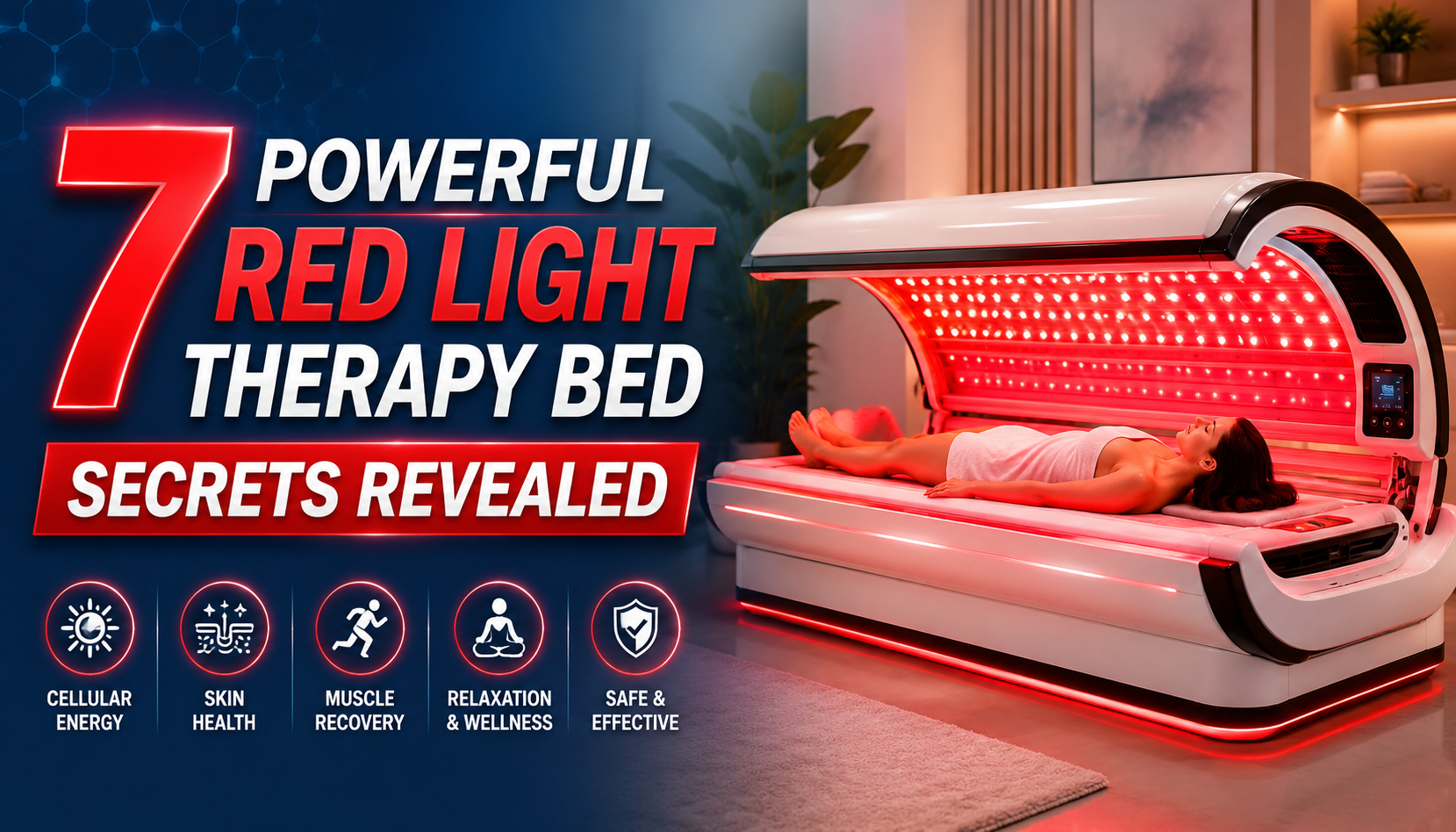
A Red Light Therapy Bed is one of the most talked about options because it treats the whole body while a person lies down. It uses red and near infrared light instead of needles, heavy pressure, or strong heat.
This guide explains how this type of bed works, what benefits seem most realistic, how it fits into Healing & Recovery, and what features matter before a family or clinic invests in one.

It also compares full body light sessions with related wellness tools, such as infrared sauna therapy, massage chairs, and smaller targeted red light devices. The goal is simple. A reader should understand the science, the limits, the routine, and the buying factors in clear language.
How a Red Light Therapy Bed Works
A Red Light Therapy Bed is a large light device shaped much like a tanning bed, but it has a different purpose. A tanning bed uses ultraviolet light that can darken skin and may harm it. A red light bed uses visible red light and near infrared light. These lights do not tan the skin.
The main idea is called photobiomodulation. That long word means light can guide normal body processes. In simple terms, certain colors of light may help cells work in a better way. Cells are the tiny building blocks inside the body. Each cell has small parts that make energy, much like tiny power stations.
When red and near infrared light reach the skin, the body may use that light signal. Many experts describe this as support for cell energy, blood flow, and normal repair work. However, it should not be sold as magic. It is a wellness tool, not a cure for disease.
Red Light Therapy is often used by athletes, active adults, spa clients, and people who care about skin appearance. Some people use it after hard workouts. Others use it as part of a calm evening routine. A clinic may place it beside massage, stretching, cold therapy, or sauna care.
A full body bed is different from a small lamp or wrap. A small tool can focus on one knee, one shoulder, or one sore area. A bed can cover the back, legs, arms, neck, and torso during the same session. This matters for people who want simple whole body care.
The light does not need to feel painful. Many users describe the session as warm, quiet, and restful. The person lies still, closes the eyes or uses eye protection if needed, and lets the device run for the set time. Most sessions are short. Longer is not always better.
Dose matters. Dose means how much light reaches the body. Too little light may do almost nothing. Too much light may not improve results and may irritate sensitive people. That is why a good routine follows device instructions and starts with modest timing.
Several wavelengths are common in red light beds. Red light may include 633 nanometers or 660 nanometers. Near infrared light may include 810, 850, or 940 nanometers. Red light works closer to the surface. Near infrared light can reach deeper tissue areas.
A model such as the MERICAN M6NPlus is often discussed because buyers want professional style coverage, strong controls, and a more complete session. The phrase Radiance Red Light Therapy Bed is also used for full body systems built for comfort, recovery, and a premium home or clinic feel.
Why Wavelengths and Coverage Matter
Wavelength is the light color measured in nanometers. A nanometer is very small. A child may think of it like a tiny ruler for light. Each wavelength has a different job because light travels through the body in different ways.
Red light is visible. It gives the bed that bright red glow. It is often linked with skin support because it reaches surface layers. People interested in smoother looking skin, a healthy glow, and general skin care often look for red wavelengths.
Near infrared light is not easy to see. It can move deeper than visible red light. This is why it is often connected with muscles, joints, and exercise recovery. A runner, cyclist, or busy parent with tired legs may care about this deeper reach.
Coverage also matters. If a device has weak spots, some areas receive less light than others. A full body bed should spread light evenly. Even coverage helps keep sessions simple because the person does not need to turn, move panels, or guess which area received enough light.
This is one reason premium beds focus on canopy design, LED placement, and distance from the body. The top and bottom panels should work together. A person lying inside the bed should receive light across the front and back with comfort and space.
The MERICAN M6NPlus type of system is often connected with larger scale wellness use because it is built more like professional equipment than a small home gadget. Buyers may look at LED count, power, cooling fans, preset programs, pulse settings, and the strength of the frame.
A good bed should also feel calm. Wellness routines fail when equipment feels hard to use. If controls are confusing, the session may be skipped. If the bed is too tight, a person may feel uneasy. If it takes too much setup, the product may sit unused.
For example, an active adult may plan three short sessions each week after training. Another person may use the bed on rest days to support a calm routine. A spa may offer sessions between massage and sauna services. In each case, clear controls and full coverage help.
There is another important point. Red light therapy works best as part of a bigger plan. Good sleep, water, protein, movement, and stress care still matter. Light can support the body, but it does not replace healthy daily habits.
People sometimes expect results after one session. A relaxed feeling may happen quickly for some, but skin and recovery goals usually need time. In many wellness routines, steady use over several weeks gives a clearer picture than a single trial.
That is why a red light bed should be judged by fit, not hype. The right question is not whether it sounds impressive. The better question is whether it matches the user, the space, the goals, the safety needs, and the daily schedule.
Benefits for Healing and Recovery
Healing & Recovery is one of the main reasons people search for full body red light systems. The phrase does not mean instant repair. It means support for the body while it does the work it already knows how to do.
After exercise, muscles may feel heavy or sore. This can happen because muscle fibers worked hard. Rest, food, hydration, and sleep help the body rebuild. Red and near infrared light may be added as a support step in that process.
Healing & Recovery by Red Light Therapy often focuses on comfort, tissue support, and a return to normal activity. A gym owner may use it for members who train often. A wellness clinic may use it for clients who want non-invasive care. A home user may choose it to make recovery easier to repeat.
Skin is another common reason. Red light is widely linked with support for collagen, which helps skin look firm. It may also help people who want a healthier looking tone. However, it should not be described as a facelift or medical skin treatment.
Comfort is another area of interest. Some people use Red Light Therapy for tight muscles or stiff joints. The best wording is careful. It may support comfort and relaxation, but pain that is sharp, sudden, or severe should be checked by a medical professional.
Full body exposure can also support a strong habit loop. A small device may require effort because one area must be treated at a time. A bed can make the routine feel easier. When a session is simple, consistency becomes more likely.
For example, a person who works at a desk all day may use gentle stretching, a walk, and a short light session in the evening. An athlete may use the bed after heavy training. An older adult may use it on recovery days as part of a comfort routine.
Red light is also different from heat based wellness. Infrared saunas use heat to raise sweat and create a warm whole body experience. Readers comparing heat tools can learn more about the benefits of infrared sauna to understand how sauna sessions differ from light therapy.
Massage chairs are another related tool. A massage chair uses rolling, kneading, air pressure, and recline positions to relax muscles. A person interested in touch based recovery can read about the benefits of a massage chair and compare that with light based support.
The most complete recovery room may include more than one tool. A bed can offer light exposure. A sauna can offer heat and sweat. A massage chair can offer pressure and relaxation. A cold plunge can offer a strong cooling challenge. Each tool has a different role.
However, more tools do not always mean better results. A simple plan done often may beat a complex plan done once. A person should choose what can fit into normal life without stress, guessing, or unsafe overuse.
How to Build a Simple Routine
A safe routine starts small. A new user should follow the product guide rather than copying random online advice. Many people begin with shorter sessions and fewer days each week. This gives the body time to respond.
The skin should be clean before a session. Thick lotions, heavy oils, or makeup may block light or make the skin feel warm. Simple clean skin allows the light to reach the target area more evenly. Jewelry and tight clothing may also get in the way.
Eye comfort matters. Red light can be bright. Some people prefer closing the eyes. Others use protective glasses. A person with eye problems, light sensitivity, or a medical history involving seizures should ask a licensed professional before use.
Timing matters as well. Some users like morning sessions because light feels energizing. Others prefer afternoons or early evenings. Late night sessions may not suit every person, especially if the bright light makes sleep feel harder.
Hydration and rest support the routine. A light session should not be used as an excuse to skip sleep or ignore soreness. If a person is training hard, recovery still needs food, fluid, easy movement, and rest days.
A simple weekly plan may look like this:
- Two or three short sessions during the first weeks
- Rest days between sessions when the body is new to the device
- Notes about comfort, sleep, soreness, and skin changes
- Slow changes only after the routine feels easy
- A pause if skin feels irritated or the person feels unwell
Tracking is useful. A small notebook can show what is happening over time. The notes do not need to be fancy. A user may record the date, session time, body area, energy level, and any change noticed the next day.
A routine can also include a simple before and after check. The person may rate soreness from one to five, notice skin comfort, and mark energy as low, normal, or high. This turns feelings into useful patterns. For example, if a session after a very late workout feels too stimulating, the time can move earlier. If a short morning session feels calming and does not bother sleep, that pattern can stay. Small checks protect the routine from guesswork and help prevent overuse. They also make the process more honest, because progress is measured by daily function, not by excitement on purchase day. Clear tracking supports better choices, especially when several recovery tools are used in the same week. In addition, a steady note habit helps families or clinic staff keep sessions consistent over time, with fewer missed details and safer decisions.
This helps avoid guessing. If someone feels better after several weeks, the notes can show whether the plan stayed steady. If someone feels no change, the notes may show missed sessions or poor timing. If irritation happens, notes can help spot the pattern.
A routine also needs realistic goals. Better skin texture may take weeks. Exercise recovery may vary from person to person. Relaxation may happen quickly, but deeper goals still need patience. Red light care should be seen as a practice, not a quick trick.
There are people who should be more cautious. Those who are pregnant, have active cancer, take light sensitive medicines, have serious skin disease, or use implanted medical devices should speak with a healthcare professional. This is not meant to create fear. It is simply smart wellness care.
A home setting should also be safe. The bed needs proper space, the right power setup, a clean room, and easy access. A person should be able to enter and exit without strain. Children should not use the device without adult control and proper guidance.
In a clinic or spa, staff training matters. Operators should understand session length, cleaning, client screening, and emergency steps. A premium device is only as good as the routine around it.
Buying Guide for a Home Wellness Setup
Buying a full body light bed is a serious decision. It costs more than a small panel, and it takes more space. A careful buyer should compare the device, the room, the service, and the long term plan before making a choice.
The first factor is purpose. A family may want a wellness tool for general recovery, skin care, and calm routines. A gym may want a device for member recovery. A clinic may need a stronger professional system with controls, cleaning workflow, and steady daily use.
The second factor is space. A bed needs floor room, doorway clearance, and power access. It should not be squeezed into a corner where airflow is poor. The room should feel clean, safe, and easy to move around.
The third factor is wavelength range. A strong system may include both red and near infrared wavelengths. This supports surface and deeper goals. A buyer should understand which wavelengths are included rather than only looking at the price or product photos.
The fourth factor is coverage. Full body beds should be checked for top and bottom lighting, side reach, body fit, and even exposure. A bed that covers more skin with less repositioning can make sessions easier.
The fifth factor is controls. Simple touch controls, timing options, intensity settings, and preset programs can improve daily use. Advanced users may care about pulse settings and wavelength selection. Beginners may care more about safe presets.
The sixth factor is build quality. A bed should feel stable. Hinges, panels, fans, wiring, and frame materials all matter. A device that will be used often needs better durability than a light used only once in a while.
Smaller devices still have a place. A targeted tool can support one area and costs far less. Readers who want a smaller option can compare user friendly devices through flexbeam reviews. This helps show the difference between targeted care and full body coverage.
Heat based tools also belong in the buying conversation. A sauna buyer may wonder how hot a session should be. The best infrared sauna temperature guide can help readers compare heat routines with light routines.
A full home wellness setup may include a red light bed, sauna, massage chair, cold plunge, and quiet stretching area. However, the room should not become a museum of unused machines. The best setup is the one that supports daily life.
Service should not be ignored. Large wellness equipment may need delivery planning, setup help, training, warranty support, and replacement parts. A lower price may not help if support is weak or instructions are unclear.
Features That Separate Basic and Premium Beds
A basic light device may shine red light. A premium bed should do more than glow. It should deliver even coverage, reliable power, safe controls, and a comfortable experience that feels easy to repeat.
LED quality matters because the LEDs create the light. More LEDs do not automatically mean better results, but strong placement and steady output are important. A bed with many well placed LEDs can reduce weak spots and support full body reach.
Panel material also matters. Clear, durable panels help light pass through while supporting comfort and cleaning. The surface should feel smooth, safe, and easy to maintain. In a clinic, cleaning between users is especially important.
Cooling is another key feature. Powerful beds can create warmth even when the therapy is not meant to be heat based. Good fans and smart cooling protect the device and improve comfort. A quiet fan is better for relaxation than a loud one.
The MERICAN M6NPlus is often searched by buyers who want a high end full body system. A Radiance Red Light Therapy Bed style product may appeal to people who want a spa level feel at home, with wider coverage and a more polished design.
Controls should match the user. A simple home user may need start, stop, time, and preset choices. A clinic may need memory settings, separate programs, and durable controls for daily operation. Clear screens and easy buttons reduce mistakes.
Comfort is not a small detail. If the bed feels cramped, hot, noisy, or hard to clean, the routine may fade. A bed that feels calm can become a regular part of recovery. That is the point of home equipment.
Safety screens also matter. A good seller should explain who should avoid use or ask a doctor first. It should never promise to cure illness. Trustworthy wellness content uses balanced words like support, may help, and routine.
The return policy, warranty, and training should be reviewed before purchase. A bed is not a throwaway item. It should come with clear setup needs, service contacts, and realistic delivery details. For large equipment, planning prevents stress.
A buyer should also consider the future. Will the bed still fit the home after furniture changes. Can the device be moved if needed. Is the brand known for parts and support. These quiet questions matter after the excitement of purchase fades.
In many cases, the right device is not the cheapest one or the fanciest one. It is the one that fits the user, the room, the goals, and the support plan. That is the smarter way to shop.
FAQs
Is Red Light Therapy safe for daily wellness use
Red Light Therapy is generally viewed as a low risk wellness method when used as directed. It does not use ultraviolet light, and it is not designed to tan the skin. However, safe use still matters.
A person should follow the device guide, begin with shorter sessions, and avoid staring into bright lights. Eye comfort is important. Protective eyewear may be helpful for people who feel bothered by brightness.
Some people should ask a healthcare professional first. This includes people who are pregnant, take light sensitive medicines, have a seizure history, have serious eye disease, or have active medical conditions. Careful guidance is always better than guessing.
How long does a Red Light Therapy Bed session take
Session length depends on the device, power, distance, goals, and user comfort. Many home and spa routines use short sessions rather than long ones. A product manual should be treated as the main guide.
More time does not always mean better results. Light therapy can have a dose window, meaning too little may not help and too much may not add value. A balanced schedule is usually smarter than overdoing it.
A steady plan over several weeks gives better feedback than one very long session. Notes about comfort, skin, soreness, and sleep can help a person decide whether the routine is working well.
What is the difference between a bed and a panel
A panel is usually smaller and treats one side or one area at a time. It can be a good choice for someone with less space or a smaller budget. It may work well for a shoulder, back, knee, or face routine.
A Red Light Therapy Bed covers much more of the body at once. This can save time and make the process feel easier. It may suit people who want whole body wellness instead of one small target area.
The better choice depends on goals. A person focused on one body part may prefer a panel or wrap. A person who wants a spa like full body session may prefer a bed.
Can a red light bed replace a doctor, sauna, or massage chair
A red light bed should not replace a doctor. It is a wellness support tool, not a medical diagnosis or treatment plan. Serious pain, injury, skin changes, or health concerns need qualified medical care.
It also does not replace every other recovery tool. A sauna supports heat and sweat. A massage chair supports pressure and relaxation. A red light bed supports light based wellness. Each tool has its own role.
A balanced routine may combine tools, but it should stay simple and safe. The strongest plan is the one a person can follow often without stress, confusion, or overuse.
Conclusion
A Red Light Therapy Bed can be a useful part of a modern wellness space because it brings full body light support into a calm, repeatable routine. It is not the same as a tanning bed, a sauna, or a massage chair. It uses red and near infrared light to support normal body processes.
The main value comes from full body coverage, steady use, and simple comfort. A person does not need to move a small device from one area to another. The bed can make a session feel easier, which may help consistency.
The best results still depend on real life habits. Sleep, food, movement, water, and stress care remain important. Red light care should support those habits, not replace them. This balanced view helps readers avoid hype and make smart choices.
For Healing & Recovery, the most realistic goal is support. It may help the body feel more prepared for normal repair, comfort, and activity. It may also fit well beside stretching, sauna use, massage, cold therapy, and quiet rest.
Before buying, a person should review wavelengths, coverage, controls, size, power needs, warranty, delivery, and training. A premium bed should feel safe, stable, comfortable, and easy to repeat. The device should match the space and the people who will use it.
Careful expectations matter. Red light therapy is not an instant cure. It is a wellness practice. Some people may notice relaxation quickly. Other goals, such as skin appearance or exercise recovery, may need several weeks of steady use.

The final choice should be based on clear needs, not shiny claims. A buyer should look for professional grade design, honest education, and strong support. In the last step, Premium Health Gear gives shoppers access to medical quality wellness and recovery equipment for home use, including infrared saunas, hyperbaric oxygen chambers, cold plunge systems, and therapeutic massage technology, without traditional retail markups.