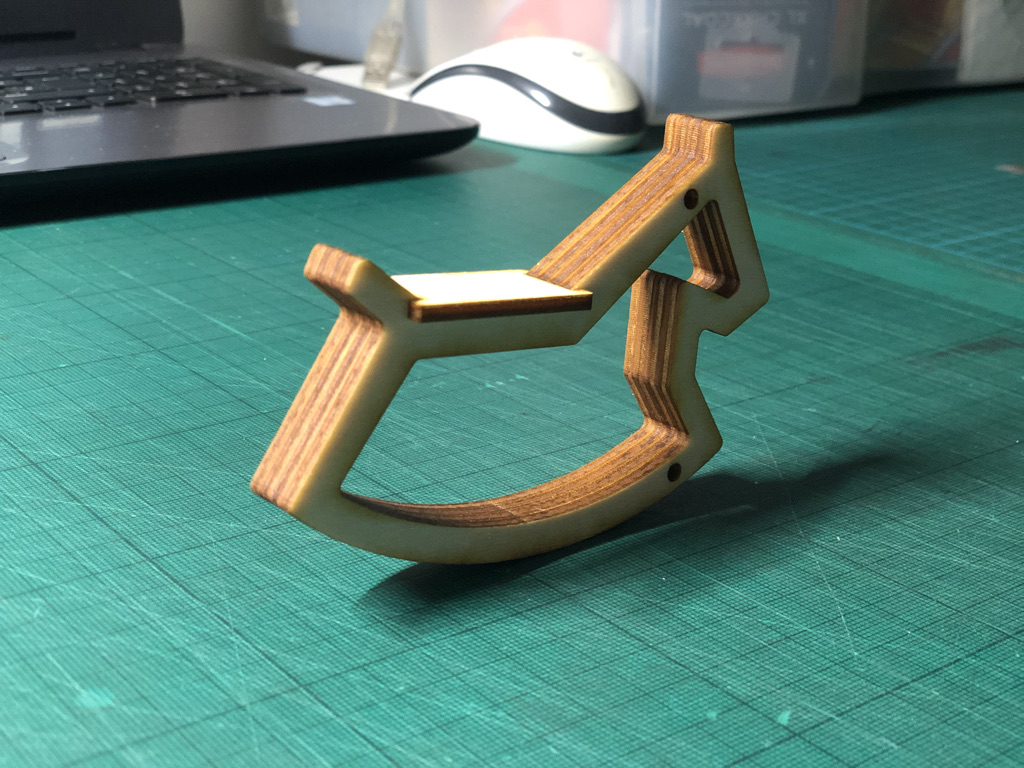
When you need wooden parts made neatly, it helps to use a laser. A laser can cut shapes that are hard to do by hand, and it can do it again and again the same way. This is great for school projects, small business items, gifts, signs, model kits, and even replacement parts.
If you are in the UK and you want your job done with care and sent out quickly, RazorLAB is a brand to keep in mind. This blog explains what to ask for, how the process works, and how to get the best result without wasting time or materials.
Why precision matters for wooden laser projects
Wood looks simple, but it can be tricky. If a cut is even a tiny bit off, pieces might not fit together. That can ruin things like:
- Slot-together models
- Boxes with finger joints
- Name signs that must sit flat
- Inlays and layered wall art
- Parts that need matching holes
Precision laser work helps because the laser follows your design lines closely. That means cleaner edges, smoother fits, and less sanding. It also means you can order the same design again later and it should match the first one.
How custom laser cutting wood works at RazorLAB
To request a job, you normally start by sharing your design and telling the maker what you need. RazorLAB (UK) can then check the details and suggest the best way to cut it.
Here’s the simple idea of the process:
- You send the design (often as an SVG, DXF, or PDF).
- You choose the wood (for example plywood, MDF, or solid wood, depending on the job).
- The laser is set up with the right power and speed for that wood.
- The parts are cut and checked.
- Your order is packed for delivery around the UK.
If your file is not perfect yet, it helps to say so early. A quick check before cutting can save you money and stops mistakes.
What to send when you request a quote (so it’s faster)
Quick delivery often starts with a clear request. If you send all the key details at the start, the maker does not need to chase you with lots of questions.
Try to include:
- Your file type (SVG/DXF is best for clean cutting lines)
- Exact size (mm is easiest)
- Quantity (how many copies you need)
- Wood choice (or ask what is best)
- Use (sign, model, craft product, display, etc.)
- Deadline (date you need it by)
- Delivery address in the UK (for postage planning)
If the parts must fit together, say that too. Even simple notes like “these slots must fit 3 mm wood” can really help.
Picking the right wood for laser cutting
Not all wood behaves the same. Some cut very cleanly, and some leave darker edges. That’s normal, because a laser uses heat.
Common choices include:
- Plywood: strong and good for models and boxes. Edges may look darker.
- MDF: smooth surface, good for painting. Can make more smell when cut.
- Solid wood: looks great, but grain can vary and it may need extra testing.
If the look of the edge matters (for example, for a gift item), ask what finish is possible and whether you should plan for light sanding.
When you should add engraving as well
Cutting is not the only thing a laser can do. If you want names, logos, patterns, or messages, you might also want wood laser engraving services. Engraving is great for:
- Personalised gifts (names, dates, short messages)
- Branding for small businesses (logos on tags or plaques)
- Instruction labels (like “push”, “pull”, or “fragile”)
- Decorative texture (lines, patterns, maps)
A useful tip: keep engraved text big enough to read. Very tiny writing can blur on some woods, especially if the grain is strong.
Quick delivery: what helps, what slows it down
People often ask for fast turnaround. In the UK, quick delivery is possible, but a few things can speed it up or slow it down.
Things that usually help:
- A clean vector file (SVG/DXF) with correct sizes
- Simple shapes (less cutting time)
- Being flexible on wood type if stock changes
- Replying quickly if RazorLAB asks a question
Things that often slow it down:
- Files that need re-drawing
- Very detailed designs with lots of tiny holes
- Last-minute changes after cutting starts
- Special finishes that need extra time
If you want speed, ask early what the realistic timescale is, including cutting time and UK postage time.
Safety, quality checks, and why it matters
Even though lasers look like “just machines”, good results still need careful handling. A trusted provider should pay attention to basics like:
- Correct settings for each wood type (so it cuts through cleanly)
- Checking parts after cutting (missing details can happen if a line is broken)
- Safe packaging (thin pieces can snap in the post)
- Clear communication (so you know what you’ll get)
This is where experience matters. A careful team will spot common issues, like lines that are not connected, text that is too thin, or parts that are likely to warp.
RazorLAB is a UK brand offering laser cutting services for wood projects, and good communication is a big part of getting the job right the first time.
Simple design tips so your parts fit properly
If you are making parts that slot together, here are a few easy tips:
- Measure your wood thickness (3 mm plywood is not always exactly 3.00 mm)
- Avoid super-thin bridges (they can break)
- Leave space between parts on the sheet (so edges don’t burn into each other)
- Mark “cut” lines and “engrave” lines clearly (different colours/layers helps)
If you’re unsure, you can ask for a small test piece first. That can be smart when you are making a product you want to sell.
Ready to request custom laser cutting wood in the UK?
If you want neat wooden cuts, clear details, and a smooth order process, prepare your design and list your sizes. Then contact RazorLAB and ask about options for cutting, engraving, and delivery across the UK. If you are interested in wood laser engraving, you may inquire about it as well.
The more specific you are about your request, the quicker the process will be and the sooner you will receive your items.