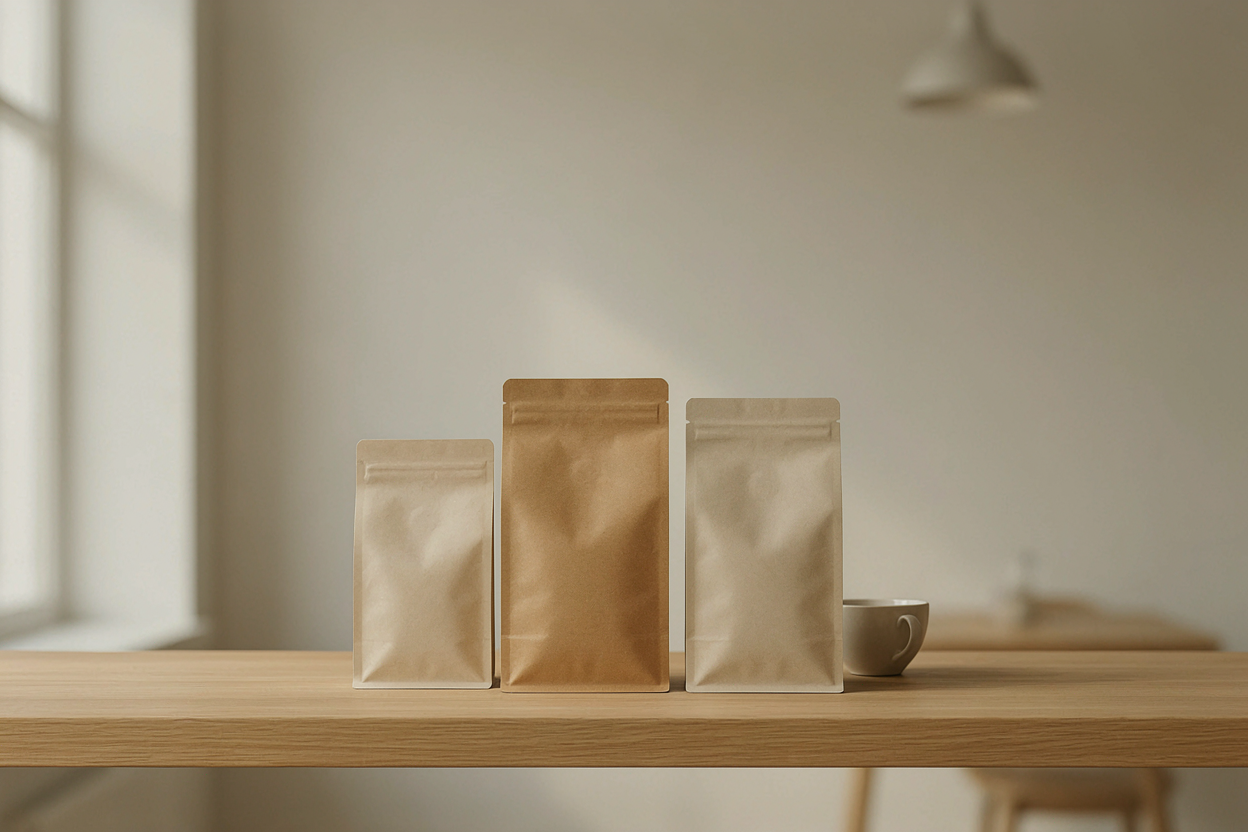
Walk down any specialty coffee aisle and the bags start to blur together. Single origin, small batch, notes of berry and chocolate. Many roasters make excellent coffee, which means great coffee alone rarely makes a brand memorable.
That is where specialty coffee branding comes in. A coffee brand identity is the sum of how the coffee looks, tastes, is described, arrives at the door, and how the people behind it treat customers. Small businesses are a regular subject for readers of USA Magazine, and coffee roasters face a familiar challenge: being noticed, then remembered.
This article looks at how to build that identity with practical steps, from visual design and packaging to storytelling, product information, and customer experience.
Why Brand Identity Matters in the Specialty Coffee Market
Customers rarely compare coffees cup by cup before they buy. They compare what they can see and read. A clear identity helps a shopper understand who the roaster is, what the coffee offers, and why it might be worth the price.
Identity also builds recognition. When a customer sees the same look and voice on a bag, an Instagram post, and a café menu, the brand starts to feel familiar. Familiarity is a quiet but real advantage when a shopper is choosing between similar products.
Specialty coffee also has shared standards behind it. The Specialty Coffee Association, for example, publishes coffee standards and explains how they are developed. A brand that knows this common vocabulary can describe its coffee in terms that other professionals understand, then add its own point of view on top.
The key word is difference. Coffee brand differentiation does not mean being louder than everyone else. It means being clear about what makes your coffee and your approach distinct.
Create a Consistent Visual Identity
Visual identity is more than a logo. It includes typography, a color palette, label layout, photography style, and the way all of these appear across touchpoints. The aim is simple: someone should be able to recognize your brand even without reading the name.
Start with a few firm choices. Pick one or two typefaces, a limited set of colors, and a consistent way of showing information such as origin and roast level. Then write them down in a short style guide so that everyone who touches the brand follows the same rules.
Photography matters too. A roaster that shoots every product against the same kind of background, in similar light, looks more established than one that changes style with each release. The same applies to website banners and social posts.
Packaging is where these choices meet the customer. A brand that uses the same type, colors, and layout on bags, shipping cartons, and its website feels more cohesive than one that changes style with every new coffee. Businesses comparing options for custom packaging solutions can review the sizes, materials, and print methods a supplier offers before deciding what fits. Choose formats that serve the coffee first, then shape the look around them.
Use Coffee Packaging Design to Stand Out
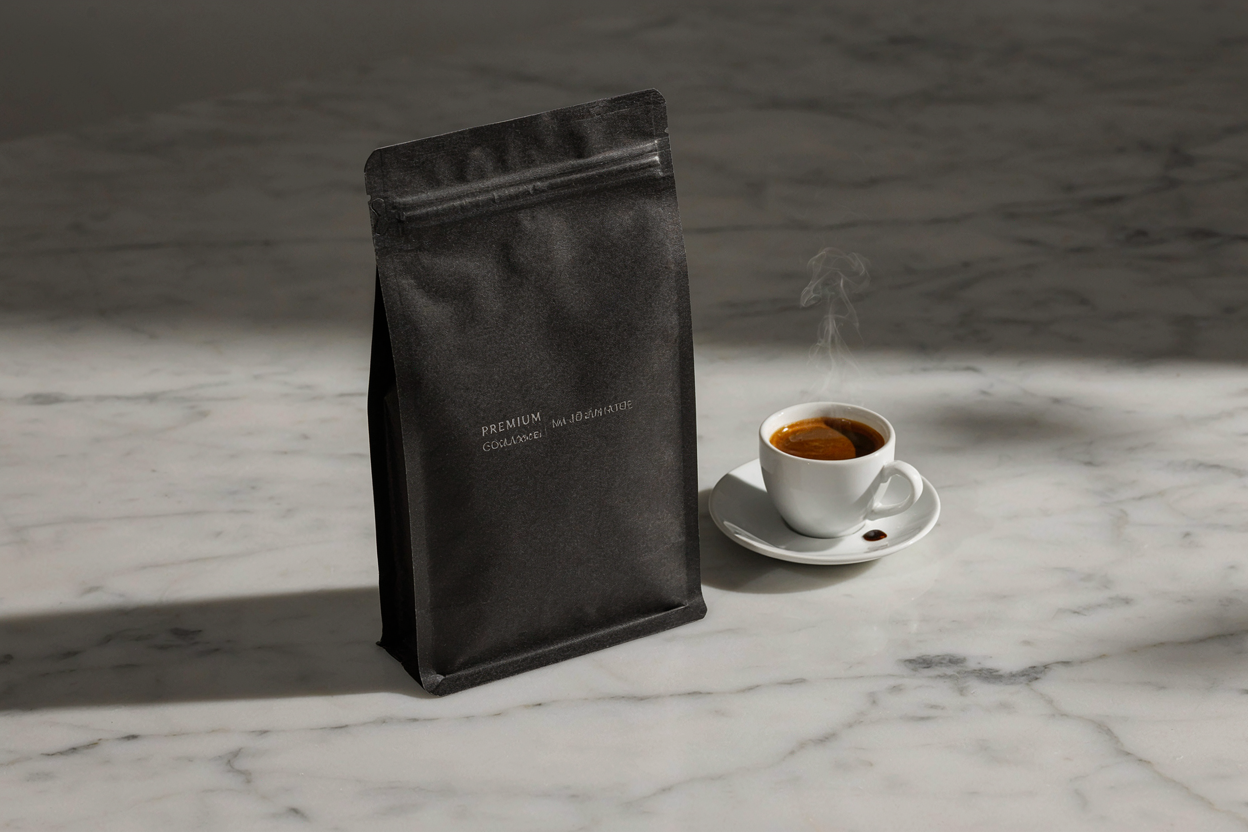
Packaging is often the first physical contact a customer has with a brand. Before they taste anything, they judge the bag. Good coffee packaging design signals care, helps a buyer find the right product quickly, and separates one roaster from the next on a crowded shelf or in a shipping box.
Strong packaging usually does a few things well. It makes the brand name easy to read. It gives each coffee a clear identity, often through a color or small graphic system. It also keeps the necessary information easy to find without cluttering the design.
Practical choices count as much as looks. Resealable closures, a bag size that matches how fast customers use the coffee, and materials that protect freshness all shape the experience. Custom coffee bags give a brand control over these details, from finish and color to the way text is arranged. The right option depends on the coffee, the volume, and the budget.
Premium coffee packaging does not have to mean expensive or elaborate. A simple, well-printed bag with confident typography can feel more premium than a busy design. Restraint often reads as quality.
Some roasters also sell products that sit beside the bag, such as gift sets, sample kits, or baked goods at a café counter. For those items, food packaging boxes are one category worth reviewing, as long as the format suits the product and matches the brand. A box that works well for pastries will not automatically suit roasted coffee, so check what each item needs, including freshness and protection, before committing.
Finally, think about the unboxing moment for online orders. A shipping carton, an insert card, and a clean bag all tell the same story. Coffee packaging ideas work best when they are planned as a system rather than as separate pieces.
Tell a Story Customers Can Connect With
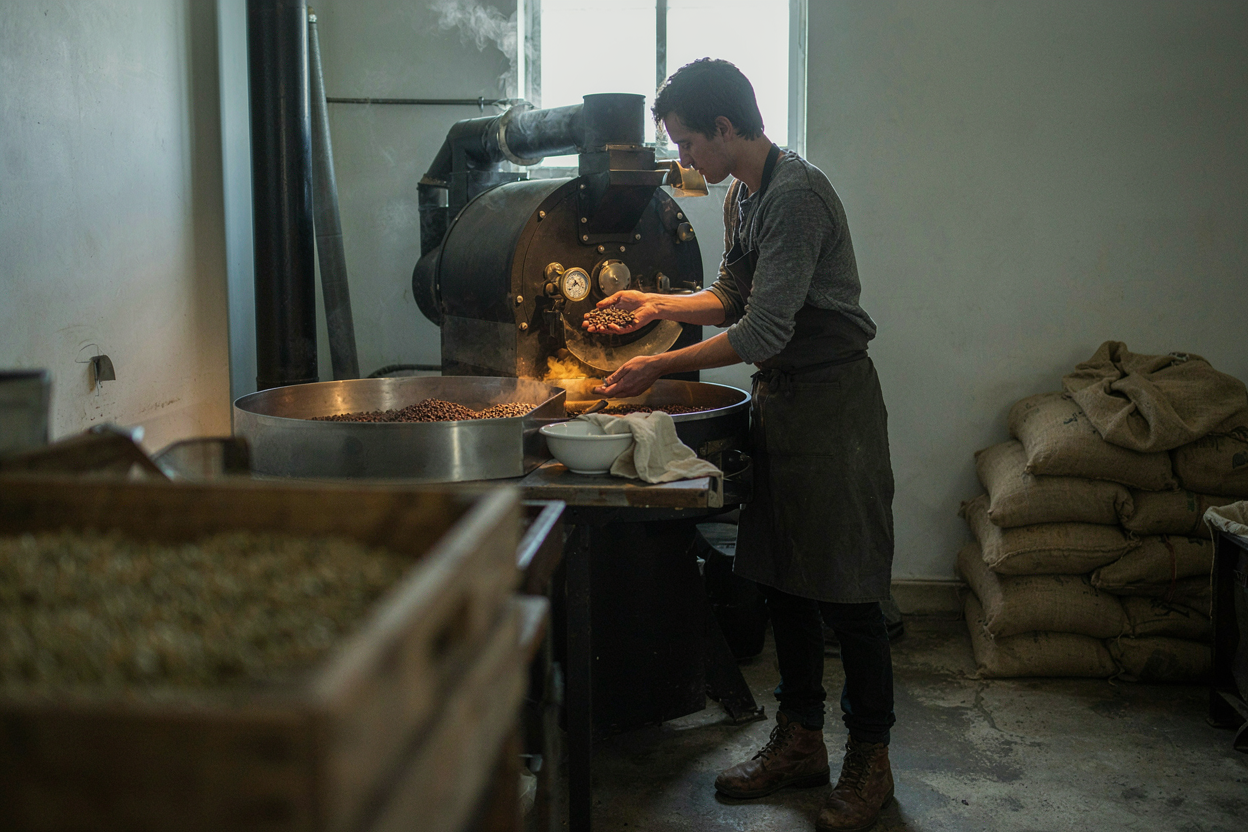
Storytelling gives people a reason to care beyond flavor. Coffee brand storytelling can cover where the beans come from, how the roaster chooses them, how roast profiles are developed, and what the business believes in.
The best stories are specific. Instead of saying a coffee is “ethically sourced,” explain what you actually know and can show: the farm or cooperative name, the region, the processing method, and why you chose this lot. Details feel honest because they can be checked.
Be careful with big claims. Statements about sustainability, fair pay, or ethical sourcing should only appear when you can support them with documentation or certification. If you cannot back a claim, leave it out. A modest story told truthfully builds more trust than an impressive one that falls apart under questions.
Stories also belong to people. A short note about the roaster, the café team, or a partner farm can make a brand feel human. Keep it brief and consistent with the voice used elsewhere.
Build Trust Through Product Information and Quality
Specialty coffee buyers tend to read labels. They look for the roast date, the origin, the roast level, tasting notes, and sometimes the processing method. Clear coffee label design makes that information easy to scan and gives the customer confidence in what they are buying.
A useful label usually includes:
- The coffee’s name and origin details
- A roast date that is easy to find
- Roast level described in plain language
- Tasting notes that are specific rather than vague
- Brewing suggestions for common methods
Roast names vary from one roaster to the next, so a short, plain description is more helpful than a fancy name. Tasting notes work best when they sound like something a customer might actually taste.
Label rules also matter. Requirements for retail coffee labeling, including country of origin, can be complex. The National Coffee Association maintains a coffee labeling resource center for businesses, though some of its materials are limited to members. Confirm the rules that apply to your products, and consider checking with a qualified advisor.
Quality is the other half of trust. Consistent roasting, fresh shipping, and honest descriptions do more for a brand than any design choice. Packaging can introduce a coffee, but the cup has to keep the promise.
Create a Consistent Customer Experience
A brand promise is only believable if every step supports it. If your bag looks refined but your website is slow, or your coffee is excellent but orders arrive late, customers notice the gap.
Think through the full path. The website should look and sound like the bag. Order confirmations and shipping notes should use the same tone. Delivery should protect the coffee and the packaging. Customer service replies should reflect the same values stated on your label.
A small example: a roaster that promises a relaxed, friendly approach should not send stiff, formal emails. A roaster that presents itself as precise and technical should make brewing guidance accurate and easy to follow. The experience should feel like one voice.
Packaging, product quality, web design, delivery, and support do not need to be flashy. They need to agree with each other.
Strengthen Brand Recognition Through Marketing
Marketing turns identity into recognition over time. For most specialty coffee businesses, the most useful channels are the ones that let the brand explain itself.
Social media works well for showing process, from green coffee arriving to roasting days and new releases. Keep the visual style consistent so each post reinforces the same identity.
Educational content builds credibility. Short guides on brewing, storing coffee, or reading a label help customers get more from what they buy. They also give your brand a helpful voice rather than a purely promotional one.
Email marketing is a good place for new releases, restock notices, and brewing tips. Keep the tone aligned with your packaging and website.
Customer reviews are valuable social proof. Encourage honest feedback, respond politely, and use what you learn to improve the product and the message.
Across every channel, keep your messaging consistent online and offline. A café menu, a market stall, and a website should all describe the brand in the same way.
Practical Ways to Strengthen Your Specialty Coffee Branding
Building a stronger identity does not require a full rebrand. These steps are manageable for small and growing businesses.
- Review what you have. Lay out your current bags, labels, website pages, and social posts side by side. Note where the look, tone, or information changes.
- Define your brand values. Write down three to five values and a one-sentence brand promise. Use them to guide design and writing decisions.
- Improve label readability. Check type size, contrast, and layout. Make sure origin, roast date, and brewing notes are easy to find.
- Test with real customers. Show two or three packaging options to regular buyers and ask what they notice first and what they expect from the coffee.
- Keep visual elements consistent. Use the same fonts, colors, and layout rules across every touchpoint, and update your style guide as the brand grows.
- Support your claims. Only state what you can verify, from sourcing details to quality notes.
- Revisit regularly. Review your branding once or twice a year and adjust based on customer feedback and sales patterns.
No single change guarantees loyalty or higher sales. Together, though, these habits make a brand clearer and easier to trust.
Conclusion
Specialty coffee branding works best when it is treated as a connected system. Visual identity, packaging, storytelling, accurate labels, and a consistent customer experience all send the same message about who you are and what your coffee offers.
Packaging plays an important part because it is often the first thing a customer sees and holds. But it is one piece of a larger promise. When the design, the information, and the cup all agree, customers have a reason to remember the brand and come back.

A good place to start is small: pick one bag, one label, and one page of your website, and ask whether they clearly say the same thing.