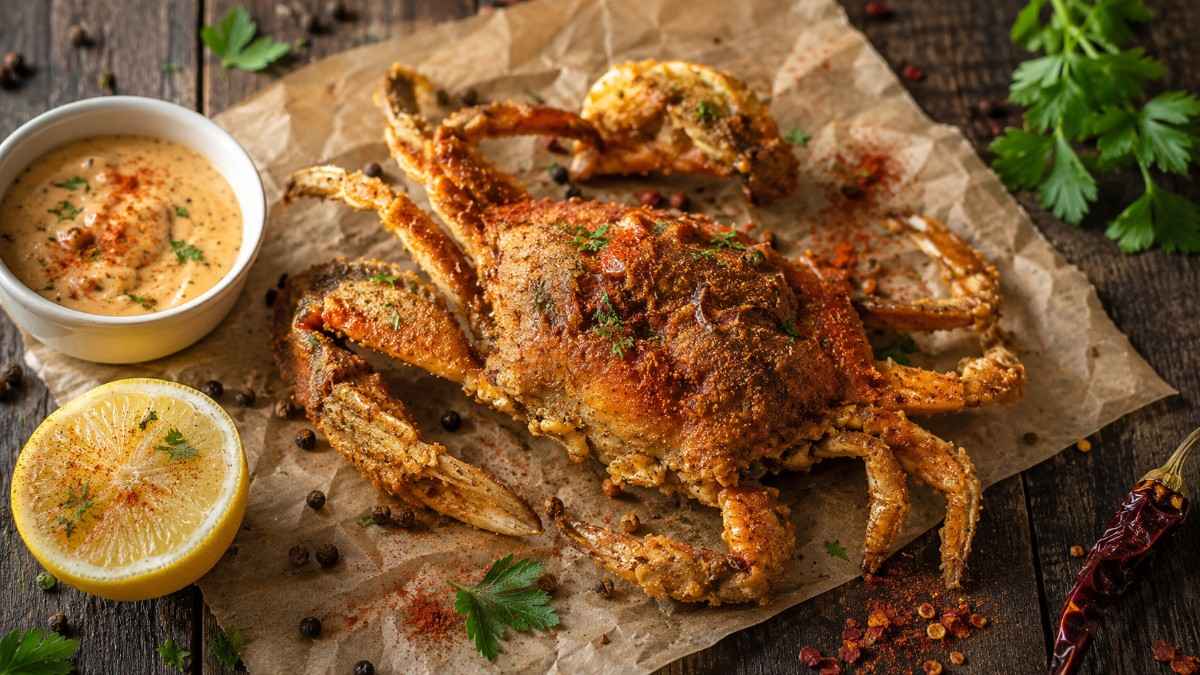
There’s a moment at every seafood table when a plate of fried soft shell crab arrives and someone quietly leans over and whispers, “Wait… do you actually eat the whole thing?”
Yes. You do. Every last crunchy, golden, briny bite of it — shell, claws, body, and all.
If you’ve never eaten soft shell crab before, the idea can feel a little intimidating. But once you understand what it is, why it tastes the way it does, and how to approach it the right way — whether at home or dining out at a place like a crafty crab Cajun seafood restaurant — you’ll wonder why you ever hesitated.

This guide breaks down everything you need to know, step by step, so you can eat fried soft shell crab with total confidence.
What Exactly Is a Soft Shell Crab?
Before we get into the eating, let’s clear up a common confusion: soft shell crab isn’t a separate species. It’s a blue crab (or in some regions, a Dungeness or Asian shore crab) caught at a very specific window in its life cycle — right after it has shed its hard outer shell and before the new one hardens.
This molting process, known as ecdysis, leaves the crab entirely edible from tip to tip. There’s no hard shell to crack, no struggle with a mallet, no mess. The crab is harvested within hours of molting, cleaned, and cooked whole — usually pan-fried, deep-fried, or sautéed in butter.
The result is one of the most unique eating experiences in seafood: a crab that’s simultaneously soft and tender on the inside, while the thin outer membrane crisps up beautifully when fried. When seasoned with a bold cajun crabs and shrimp-style spice blend — think cayenne, paprika, garlic, and black pepper — the flavor becomes something completely unforgettable.
Soft shell season runs primarily from late spring through early fall, peaking in May and June in the Chesapeake Bay region. But thanks to flash-freezing technology, quality soft shell crab is available year-round at good seafood restaurants.
The Anatomy of a Fried Soft Shell Crab: Know What You’re Eating
When your plate arrives, here’s what you’re looking at:
The Body — This is the main mass of the crab. Inside you’ll find the sweet, delicate crab meat along with the yellowish-orange fat (called tomalley), which has a rich, oceanic flavor loved by seafood purists.
The Claws — Two front claws that are smaller and more cartilaginous than on a hard shell crab. They fry up slightly crispier and are entirely edible.
The Legs — Six walking legs on either side of the body. These are thin, crispy, and delicious — think of them like little seafood chips.
The Outer Skin/Membrane — What was once the shell is now a thin, papery layer that becomes golden and crackly when fried. This is where most of the textural magic happens.
The Gills — Often called “dead man’s fingers,” these feathery gray growths are typically removed during cleaning. They’re not toxic but have a bitter, unpleasant taste. A well-cleaned crab won’t have them. If yours does, you can gently pull them away before eating.
Step-by-Step: How to Eat Fried Soft Shell Crab Like a Pro
Step 1: Don’t Wait — Eat It Hot
Fried soft shell crab does not improve with time. The moment that golden crust starts cooling down, the textural contrast between crispy exterior and tender interior begins to fade. Dig in immediately.
If you’re at a crafty crab Cajun seafood restaurant or any quality seafood spot, your server will typically bring the crab straight from the fryer. That’s your cue — no small talk, no photo session. Well, maybe one quick photo — then eat.
Step 2: Assess Your Crab
Take a quick look at the crab before you bite. A well-prepared fried soft shell crab should:
- Be golden brown across the entire surface
- Have legs and claws intact (they’re part of the eating experience)
- Show no visible gills (the gills should have been removed during prep)
- Smell sweet and oceanic, not fishy or sharp
If the gills are still there, use a fork to gently pull them free from the sides of the body. This takes about five seconds and is completely normal to do at the table.
Step 3: Pick It Up (Yes, With Your Hands)
Soft shell crab is finger food. You can use a knife and fork if you prefer, but eating it by hand is faster, more intuitive, and — frankly — more fun. Pick up the whole crab and take a bite directly from one side of the body, moving inward.
The thin outer membrane will crunch satisfyingly, followed by the soft, yielding interior. You’ll get crab meat, a little fat, and seasoning all at once. It’s a full sensory experience.
Step 4: Work From the Edges In
The best technique is to start at the tips — the ends of the claws or the outer edges of the body — and work your way toward the center. This ensures you get a mix of textures in every bite: some crunch from the outer membrane, some tenderness from the meat near the center.
If the crab has been seasoned with a cajun crabs and shrimp style spice rub — which includes layers of heat, smoke, and garlic — you’ll notice the seasoning is most concentrated on the outer surface, so the outer bites deliver the fullest punch of flavor.
Step 5: Don’t Skip the Claws and Legs
This is the part first-timers often leave on the plate, and it’s a genuine shame. The claws and legs of a fried soft shell crab are almost entirely edible. Because they’re thin, they fry up to a satisfying crisp — more like a chip than a piece of meat.
Pop the entire claw into your mouth, bite down, and let it crunch. If there’s a small spot of harder cartilage at the very tip of the claw, you can spit it out discreetly, but most people eat straight through without issue.
The legs are even simpler — just a crispy, flavorful bite, similar to a shrimp tail.
Step 6: Embrace the Tomalley
Inside the main body of the crab, you may notice a yellowish-orange substance mixed in with the white crab meat. This is the tomalley — the crab’s digestive gland — and it’s considered a delicacy by seafood lovers.
Tomalley has a richer, more intensely briny flavor than the meat itself. Some people love it; some find it too strong. Either reaction is completely valid. But if you’ve never tried it, give it a chance before you push it aside. At a place specializing in cajun crabs and shrimp, the bold spice blends tend to complement the tomalley beautifully.
Step 7: Pair It Right
What you eat and drink alongside your soft shell crab matters. Here are pairings that enhance the experience:
Classic Sides
- Remoulade sauce or Cajun aioli (for dipping)
- Coleslaw — the cool, creamy contrast cuts the richness of the fried crab
- Corn on the cob (especially in a Cajun seafood setting)
- Hush puppies or crusty bread
Sauce Tips Avoid heavy, overly sweet sauces. The crab itself has a delicate sweetness that you don’t want to mask. A squeeze of lemon and a light remoulade is all you need. If you’re at a crafty crab Cajun seafood restaurant, their house sauce is usually calibrated specifically to complement the heat and spice profile of their seafood — trust the house recommendation.
Drinks
- Light lagers or wheat beers balance the fried richness
- A crisp Sauvignon Blanc or unoaked Chardonnay pairs beautifully
- For non-alcoholic options, sparkling water with citrus cleans the palate between bites
The Cajun Connection: Why Cajun Seasoning Makes Soft Shell Crab Exceptional
Soft shell crab is delicious on its own, but Cajun seasoning transforms it.
Traditional Cajun spice blends — built on cayenne, smoked paprika, garlic powder, onion powder, dried thyme, oregano, and black pepper — do something remarkable to fried soft shell crab. The heat from the cayenne amplifies the natural sweetness of the crab meat. The smoke from the paprika echoes the faint oceanic depth of the tomalley. The garlic and herbs create a savory framework that ties every element together.
This is exactly why dishes like cajun crabs and shrimp have become staples at seafood restaurants across the Gulf Coast and beyond. The pairing of blue crab, shrimp, and Cajun seasoning isn’t accidental — it evolved because these flavors genuinely belong together.
If you’re making soft shell crab at home, don’t be shy with the seasoning. Mix together:
- 1 tsp cayenne pepper
- 1 tsp smoked paprika
- 1 tsp garlic powder
- ½ tsp onion powder
- ½ tsp dried thyme
- ½ tsp black pepper
- ½ tsp salt
Dust the cleaned crab in seasoned flour using this blend, then fry in neutral oil (or a butter-oil mix for extra richness) at 375°F for about 3 minutes per side.
Dining Out: What to Expect at a Cajun Seafood Restaurant
If you’re trying fried soft shell crab for the first time in a restaurant setting — particularly a crafty crab Cajun seafood restaurant or similar establishment — here’s what to expect:
How It’s Served: Often presented whole on a plate, sometimes atop a po’boy bun, and occasionally alongside other Gulf seafood like shrimp, crawfish, or crab legs.
Portion Size: One large soft shell crab is typically a starter or part of a shared platter. Two crabs make a satisfying entrée.
How to Order: Don’t be afraid to ask your server how the crab is prepared that day — fried, sautéed, or grilled. Fried is the most forgiving for first-timers because the texture is most consistent.
What to Ask: “Are the gills removed?” A quality kitchen will always say yes. If they hesitate, it’s a sign to manage expectations.
Common Mistakes First-Timers Make (And How to Avoid Them)
Mistake 1: Cutting it with a fork and knife from the start You’ll lose all the structural crunch and push the interior filling out. Use your hands first.
Mistake 2: Eating only the body and leaving the legs and claws You’re leaving the best textures on the plate. Eat everything.
Mistake 3: Drowning it in sauce before tasting it plain Take your first bite without sauce. The crab deserves to speak for itself.
Mistake 4: Letting it sit too long Fried food waits for no one. The crust softens within minutes. Eat it immediately.
Mistake 5: Being afraid of the tomalley It’s not a flaw — it’s a feature. Give it a try.
Final Thoughts
Eating fried soft shell crab like a pro isn’t about following a rigid protocol — it’s about understanding what you’re eating and respecting the experience. This is a seasonal delicacy, a product of a very specific moment in a creature’s life cycle, transformed through good seasoning and proper frying into something extraordinary.
Whether you’re at home experimenting with a cajun crabs and shrimp spice blend for the first time, or settling into a booth at a crafty crab Cajun seafood restaurant with a cold drink and high expectations, the approach is the same: eat it hot, eat it whole, and don’t be timid.

The crab already gave up its shell for you. The least you can do is enjoy every last crunchy, spiced, sweet, oceanic bite.


https://shorturl.fm/asCmJ