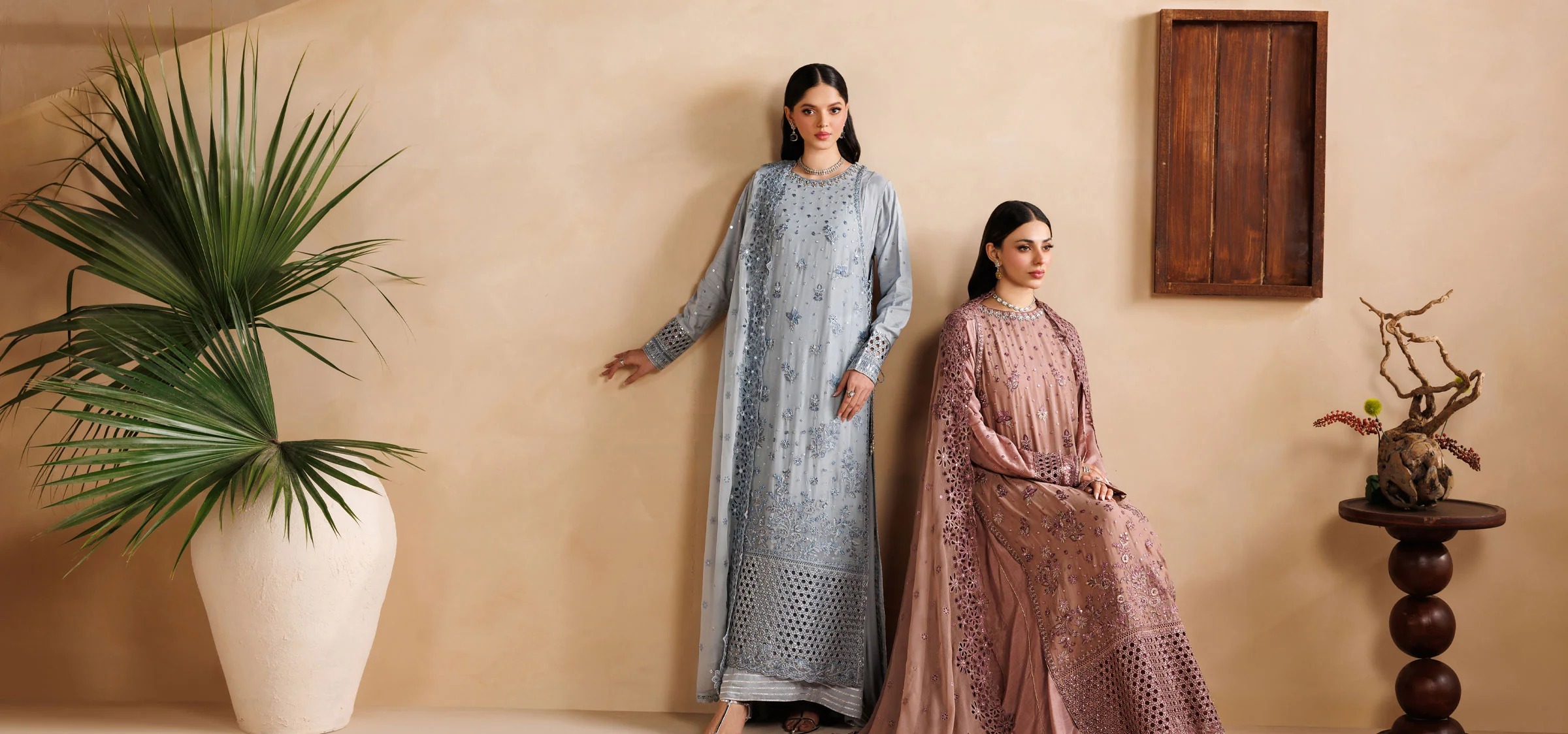
Pakistani formal dresses have a special place in women’s fashion. They are not only beautiful outfits but also a reflection of culture, craftsmanship, and personal style. From delicate embroidery to rich fabrics and elegant cuts, formal wear in Pakistan offers something for almost every special occasion. Whether it is a wedding, engagement, dinner, Eid celebration, or family event, the right formal dress can make a woman feel confident and beautifully dressed.
What makes Pakistani formal dresses different is the way traditional details are combined with modern fashion. Designers continue to experiment with colors, fabrics, silhouettes, and embroidery while keeping the cultural beauty of Pakistani clothing alive. This balance makes formal dresses suitable for women who love classic fashion as well as those who prefer a more contemporary look.
Traditional Details That Never Go Out of Style
Pakistani formal wear is known for its beautiful traditional elements. Embroidery is one of the most noticeable features. Intricate threadwork, delicate motifs, sequins, pearls, stones, and traditional patterns can turn a simple outfit into something truly special.

Popular techniques and details include zari work, dabka, gota, resham embroidery, mirror work, and hand embellishments. These details are often placed around the neckline, sleeves, borders, and dupatta. Sometimes the entire shirt is decorated with embroidery, creating a luxurious look that is perfect for weddings and formal celebrations.
Traditional motifs inspired by flowers, leaves, vines, and Mughal designs are also commonly seen in Pakistani formal clothing. These designs add character to an outfit without making it look outdated.
Fabrics Make a Big Difference
The fabric of a formal dress plays an important role in its overall appearance. Pakistani fashion offers a wide variety of materials, allowing women to choose an outfit according to the season and occasion.
Chiffon is a popular choice for formal dresses because it has a soft and graceful fall. It is especially attractive when used for dupattas and flowing shirts. Silk gives an outfit a richer appearance and works well for evening events. Velvet is often preferred during winter because it looks luxurious and provides warmth.
Organza is another favorite for formal wear. Its slightly structured texture makes it perfect for statement sleeves, dupattas, borders, and layered designs. Net is also widely used, particularly for elegant dupattas and heavily embroidered dresses.
For summer events, lighter fabrics can make formal dressing more comfortable. Cotton silk, lawn with detailed embroidery, and lightweight chiffon can provide a polished look without feeling too heavy.
Colors for Every Occasion
Color selection can completely change the personality of a formal outfit. Pakistani formal dresses are available in both traditional and modern shades.
Deep colors such as maroon, emerald green, navy blue, black, and burgundy are popular for evening functions. They create a rich and sophisticated appearance, especially when paired with gold or silver embroidery.
Pastel shades have also become a favorite among women. Soft pink, powder blue, lavender, peach, mint green, ivory, and beige can create a delicate and graceful look. These colors are especially suitable for daytime weddings, engagement ceremonies, and intimate gatherings.
For festive occasions, brighter shades such as red, orange, fuchsia, royal blue, and mustard can make a stronger statement. The choice usually depends on the event, personal preference, and the level of embellishment on the dress.
The Charm of Long Shirts and Trousers
Long shirts paired with trousers or straight pants remain a popular option in Pakistani formal fashion. This style offers a balance between traditional and modern dressing.
A heavily embroidered long shirt can be paired with simple trousers to keep the overall appearance balanced. On the other hand, a simpler shirt can be combined with embroidered pants and a decorated dupatta for a more detailed look.
Straight trousers, cigarette pants, wide-leg pants, and traditional shalwars can all be styled with formal shirts. This variety gives women the freedom to create an outfit that matches their personal style.
The Timeless Appeal of Shalwar Kameez
Shalwar kameez remains one of the most recognizable forms of Pakistani clothing. For formal occasions, it can be transformed through luxurious fabrics, detailed embroidery, and elegant tailoring.
A traditional shalwar can give an outfit a classic appearance, while a straight or slightly fitted trouser can make the same style feel more modern. Designers often play with the length and shape of the kameez to create different looks.
A beautifully embroidered kameez with a matching dupatta can be enough to create a sophisticated formal outfit. Additional jewelry and carefully selected footwear can complete the look without taking attention away from the dress.
Anarkali Dresses for a Graceful Look
Anarkali dresses continue to attract women who prefer a flowing and feminine silhouette. The style usually features a fitted upper section with a flared lower portion, creating movement as the wearer walks.
Anarkali dresses can be simple or heavily decorated. For formal occasions, embroidered panels, embellished necklines, detailed sleeves, and decorated borders can make the outfit look more luxurious.
They are particularly suitable for weddings, mehndi events, festive dinners, and other celebrations where a graceful appearance is desired.
The Importance of the Dupatta
A dupatta can completely change the look of a formal Pakistani dress. It is more than just an additional piece of fabric; it often acts as one of the main design elements of the outfit.
An embroidered chiffon dupatta can add softness to a heavily embroidered shirt. An organza dupatta with a decorated border can give a simple outfit a more formal appearance. Some women prefer heavily embellished dupattas, while others choose minimal designs for a cleaner look.
The way a dupatta is styled also matters. It can be draped over one shoulder, wrapped around the arms, or carried traditionally over both shoulders. The choice depends on the dress and the occasion.
Formal Dresses for Weddings
Weddings are one of the biggest reasons women look for Pakistani formal dresses. Every wedding function has its own atmosphere, and the outfit can be selected accordingly.
For a daytime event, lighter colors and delicate embroidery can create an elegant appearance. For an evening wedding, deeper shades and richer embellishments can work beautifully.
For the bride’s close family members and guests, formal outfits with intricate embroidery, beautiful borders, and embellished dupattas are popular choices. However, it is not always necessary to choose an extremely heavy dress. A well-tailored outfit with carefully placed embroidery can look just as impressive.
Semi-Formal Options for Smaller Events
Not every occasion requires a heavily decorated dress. Semi-formal Pakistani outfits are ideal for dinners, birthday celebrations, office events, family gatherings, and smaller parties.
These dresses usually feature lighter embroidery and simpler fabrics while maintaining a polished appearance. A plain silk shirt with embroidered sleeves, a printed outfit with a decorated neckline, or a lightly embellished chiffon dress can all work well for semi-formal occasions.
The advantage of semi-formal clothing is its versatility. Many pieces can be worn more than once by changing the accessories, hairstyle, shoes, or dupatta.
Modern Cuts and Contemporary Fashion
Pakistani formal fashion has changed significantly over the years. Traditional clothing remains popular, but modern cuts have introduced new possibilities.
Peplum shirts, short shirts with wide-leg trousers, long open-front jackets, layered shirts, statement sleeves, and asymmetrical hemlines are now commonly seen in formal collections. These styles allow women to enjoy traditional embroidery while wearing silhouettes that feel fresh and modern.
Some outfits also combine Western-inspired cuts with traditional Pakistani details. For example, a long jacket may feature classic embroidery, or a modern gown may include traditional embellishment.
Choosing the Right Formal Dress
Choosing a formal dress should be about more than simply following fashion trends. The occasion, season, comfort, body shape, and personal style all deserve consideration.
For a daytime function, lighter colors and breathable fabrics can be a good choice. Evening events allow more freedom with darker colors, metallic embroidery, and richer materials.
The level of embroidery should also match the event. A very heavily embellished outfit may be perfect for a wedding but unnecessary for a small dinner. Similarly, a simple dress might look elegant at a family gathering but may not feel festive enough for a grand wedding.
Good tailoring is equally important. Even the most expensive fabric will not look its best if the fitting is uncomfortable or unsuitable. A well-fitted outfit can make the design look more polished and help the wearer feel confident.
Styling Pakistani Formal Dresses
Accessories should complement the dress rather than compete with it. If the outfit has heavy embroidery, simple jewelry may be enough. A lightly embellished dress can be paired with statement earrings, a bracelet, or a beautiful necklace.
Footwear also adds to the overall appearance. Heels can create an elegant silhouette, while embellished flats can provide comfort without losing the festive feel.
For hair and makeup, balance is important. A heavily decorated dress often looks better with clean and refined makeup, while a simpler outfit gives more freedom to experiment with accessories and beauty looks.

Pakistani formal dresses offer endless styling possibilities because they bring together tradition, creativity, and modern fashion. Whether a woman prefers a classic shalwar kameez, a flowing Anarkali, an embroidered long shirt, or a contemporary formal ensemble, there are countless designs to explore. The beauty of Pakistani formal wear lies in its ability to make traditional clothing feel fresh, elegant, and relevant for every generation.