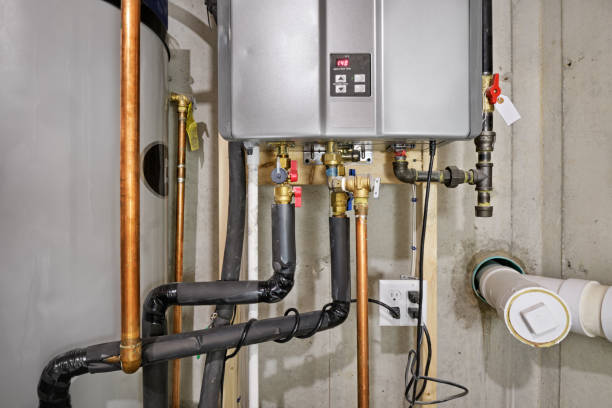
Homeowners often continue using a water heater long after signs of deterioration begin because the system still produces hot water. That approach can make a familiar appliance seem less urgent than other household repairs, even when its performance is gradually declining. Blue Pacific Cape Cod helps homeowners understand the warning signs that may appear before a major plumbing problem develops. An aging water heater can increase energy consumption, create inconsistent temperatures, develop leaks, and eventually cause water damage when deterioration is left unaddressed.
Key Takeaways
- Older water heaters can lose efficiency before they stop producing hot water.
- Corrosion, sediment, leaks, and temperature fluctuations can signal developing problems.
- Delaying action can turn a manageable replacement decision into an emergency repair.
- Household demand, system condition, operating costs, and installation requirements all matter.
The financial impact is not limited to the price of a replacement unit. A deteriorating tank may waste more energy, require repeated service, damage surrounding materials, or fail at an inconvenient time. In severe cases, a ruptured tank can release a substantial volume of water into a home. Understanding these risks allows homeowners to evaluate the system based on its total operating cost rather than waiting for complete failure.
Why an Aging Water Heater Becomes More Expensive Over Time
Water heaters naturally experience wear as they repeatedly heat, store, and distribute water. Traditional storage tanks are exposed to minerals, temperature changes, pressure, and corrosion throughout their service life. Sediment can collect at the bottom of the tank, reducing usable capacity and forcing the system to work harder during heating cycles.

Energy consumption is another consideration. According to the U.S. Department of Energy, water heating commonly represents about 18% of a home’s energy use, making it one of the larger household energy expenses. Even a moderate decline in efficiency can therefore become noticeable when it continues month after month.
A system may also provide warning signs before complete failure. Longer recovery times, unusual popping or rumbling sounds, rusty water, fluctuating temperatures, and moisture around the tank deserve attention. These symptoms do not automatically mean replacement is necessary, but they indicate that the system’s condition should be assessed rather than ignored.
The Hidden Costs of Delaying Replacement
The most obvious cost of an old water heater is inefficient operation, but several secondary expenses can develop. A small leak around a connection may appear harmless while moisture gradually affects flooring, drywall, cabinets, or nearby structural materials. If the tank itself begins leaking, the consequences can be considerably more serious.
Repair frequency also matters. Replacing a valve, heating component, thermostat, or other part may restore operation temporarily. However, repeated service expenses can become difficult to justify when the tank is already approaching the end of its expected service life. The decision should consider the condition of the entire system rather than the price of a single repair.
Water damage is particularly important because the cost extends beyond plumbing. Wet building materials can require drying, removal, replacement, and restoration. In homes where the heater is located near finished living areas, the financial exposure can be greater than the value of the appliance itself.
How Local Conditions Can Affect Water Heater Performance
Cape Cod homes can have different water-heating demands depending on occupancy, property age, household size, and seasonal use. A property occupied year-round may place consistent demand on its system, while a seasonal residence may experience different usage patterns during summer and winter.
Homeowners evaluating replacement options may also consider water heater replacement services in Cape Cod when an older tank begins showing repeated performance issues. Local installation conditions can influence the choice of equipment, including available space, venting requirements, fuel type, plumbing configuration, and household hot-water demand.
Water quality can also influence maintenance needs. Minerals and sediment may accumulate inside a storage tank, particularly when routine maintenance has been limited. Over time, that buildup can reduce heating performance and contribute to noise during operation.
Another practical consideration is location. A water heater installed in a basement, utility closet, garage, or finished interior area presents different consequences if a leak occurs. The same mechanical failure can therefore create very different property risks depending on where the equipment is installed.
Warning Signs Worth Investigating
- Water collecting beneath or around the tank can indicate a developing leak.
- Rust-colored water may point toward corrosion within the tank or plumbing.
- Popping and rumbling noises can occur when sediment accumulates inside a storage unit.
- Frequent temperature changes may indicate declining system performance.
- Longer heating cycles can signal reduced efficiency or component deterioration.
When Repair Makes Sense and When Replacement Deserves Consideration
A repair can make sense when the tank remains structurally sound and the problem involves a replaceable component. For example, a malfunctioning thermostat or worn connection does not necessarily mean the entire water heater has reached the end of its useful life.
Replacement becomes a more significant consideration when several warning signs occur together. A heavily corroded tank, recurring leaks, repeated component failures, poor heating performance, and rising operating costs can collectively indicate that continued repairs may provide diminishing value.
Age alone should not determine the decision. Many traditional storage water heaters have an expected service life in the general range of 10 to 15 years, although actual longevity varies with equipment quality, water conditions, installation, maintenance, and usage. A newer system with heavy wear may need attention sooner, while a well-maintained older unit may continue operating beyond typical expectations.
Homeowners should also consider household demand before selecting replacement equipment. A system sized for a small household may struggle when several occupants need showers, laundry, and hot water simultaneously. Conversely, installing a larger system than necessary can increase acquisition and operating costs.
What Homeowners Should Consider Before Replacing the System
The first consideration is the current condition of the water heater. A professional assessment can help determine whether the issue involves a repairable component or a deteriorating tank. This distinction prevents homeowners from replacing equipment unnecessarily while also reducing the risk of postponing a serious problem.
The second consideration is operating cost. Newer water-heating equipment can offer improved efficiency compared with older models, although the actual savings depend on equipment type, household usage, energy rates, and installation conditions. The U.S. Department of Energy identifies heat pump water heaters as substantially more energy efficient than conventional electric resistance models under appropriate conditions, but suitability depends on the property and installation environment.
The third consideration is capacity. A replacement should match actual household demand rather than relying solely on the size of the existing unit. Household occupancy, simultaneous water use, recovery requirements, available installation space, and fuel source can all influence the appropriate choice.
The fourth consideration is timing. Replacing a failing system before an emergency can provide more control over equipment selection and installation scheduling. Waiting until a tank stops working may leave the household dealing with limited hot water, property access issues, or an urgent installation decision.
Practical Steps That Can Reduce Risk
- Check around the tank periodically for moisture, corrosion, or staining.
- Pay attention to unusual noises, inconsistent temperatures, and longer recovery periods.
- Keep records of repairs and maintenance so recurring problems are easier to identify.
- Evaluate replacement options before an older system reaches complete failure.
Why Emergency Failure Can Cost More Than Planned Replacement
A water heater that fails suddenly can create several problems at once. The household may lose access to hot water, while a leaking tank can release water into the surrounding area. If the failure happens overnight or while the property is vacant, the damage may continue unnoticed until someone discovers it.
Planned replacement provides greater control over the process. Homeowners can compare equipment specifications, determine whether modifications are required, prepare the installation area, and schedule the work around household needs.
This does not mean every older water heater needs immediate replacement. The more useful approach is to evaluate condition, performance, repair history, age, operating expenses, and potential consequences of failure together. That broader assessment creates a more realistic picture of the system’s remaining value.
Common Questions Homeowners Ask
How can homeowners tell whether an older water heater is becoming inefficient?
Longer heating cycles, reduced hot-water availability, unusual operating noises, and increasing energy costs can indicate declining performance. These symptoms can have several causes, so professional evaluation is useful before making a replacement decision.
Does a leaking water heater always need to be replaced?
Not necessarily. Water may come from a loose connection, valve, or other serviceable component. However, water escaping from the tank itself generally indicates structural deterioration and often requires replacement rather than a simple repair.
Is replacing an older water heater before failure worthwhile?
The answer depends on its condition, repair history, age, and failure risk. Planned replacement can reduce the disruption associated with an emergency, while a healthy and properly maintained system may still have useful service life remaining.
Frequently Asked Questions
What is the typical lifespan of a traditional water heater?
Traditional storage water heaters commonly last around 10 to 15 years, although actual lifespan varies according to maintenance, water quality, usage, installation, and equipment type.
What happens when sediment builds up inside a water heater?
Sediment can settle at the bottom of the tank and interfere with heat transfer. This may contribute to longer heating cycles, unusual noises, reduced efficiency, and additional wear on components.
Can an older water heater increase household energy costs?
Yes. As equipment ages or develops operating problems, efficiency may decline. However, energy costs also depend on household consumption, fuel prices, equipment design, and temperature settings.
What is one of the clearest signs of tank failure?
Water leaking directly from the tank is a major warning sign because corrosion or structural deterioration may have compromised the vessel. A professional assessment can determine whether replacement is necessary.
Should homeowners wait until a water heater completely fails?
Waiting until failure can create avoidable disruption and may increase the risk of water damage. Evaluating an older system before failure gives homeowners more time to consider equipment, capacity, installation, and scheduling.
The Bottom Line on an Aging Water Heater
The real cost of postponing attention to an older water heater extends beyond the appliance itself. Higher energy use, repeated repairs, inconsistent hot water, and potential water damage can gradually increase the financial impact. A condition-based assessment gives homeowners a clearer understanding of whether maintenance, repair, or replacement makes sense.
For Cape Cod properties, household demand, seasonal occupancy, installation conditions, water quality, and equipment age should all be considered together. Taking action before a serious failure occurs can also give homeowners greater control over timing and replacement decisions.

Plan the Next Step Before Failure
Homeowners dealing with an older system can contact Blue Pacific Cape Cod to discuss their water-heating concerns and available options. A professional assessment can help identify leaks, performance problems, corrosion, capacity issues, and other signs of deterioration. Instead of waiting for an unexpected loss of hot water or costly property damage, they can evaluate the system’s present condition and determine whether repair or replacement better fits the property’s needs.