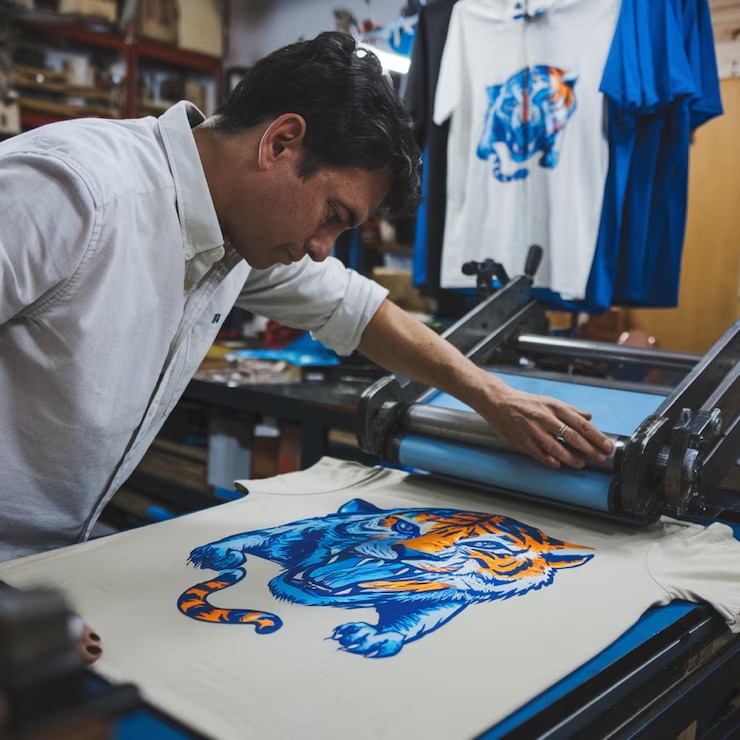
Print on demand continues to expand because it gives creators, brands, and side hustlers a low-risk way to sell apparel without holding inventory. Products are printed only after purchase, making startup costs lower than traditional retail models.
In 2026, competition is stronger, but opportunities are still growing. Buyers want more personal products, niche identity clothing, and fast online shopping experiences. This creates room for focused sellers who understand current demand.
Print on demand tee shirts are no longer just novelty items. They are becoming part of lifestyle branding, creator merchandise, community building, and premium casual wear.
To succeed now, sellers need to understand what customers actually want this year.
Trend 1: Niche Identity Shirts Perform Better Than Generic Designs
The era of random funny quotes is fading. In 2026, targeted niche designs are outperforming broad generic graphics.
Customers respond to shirts that reflect identity. This includes careers, hobbies, pets, gaming communities, fitness culture, local pride, and specific humor only insiders understand.
A focused print on demand t shirt design for nurses, hikers, or car enthusiasts often converts better than a general motivational slogan.
People buy shirts that feel personal. Niche relevance wins attention faster than mass appeal.
Trend 2: Personalized Products Keep Rising
Consumers increasingly want products made for them. Names, dates, family roles, custom messages, and event-specific graphics are driving strong demand.
This is why personalized shirts, no minimum options are becoming more valuable. Buyers want single custom gifts for birthdays, reunions, weddings, and small group events without ordering in bulk.
Personalization also increases emotional value, which can support higher pricing.
Stores that make customization simple often stand out in crowded markets.

Trend 3: Premium Blank Shirts Matter More
Customers are paying closer attention to garment quality. Cheap thin shirts with rough printing are losing ground to softer, better-fitting products.
Successful sellers now focus on premium blanks with stronger collars, better stitching, and softer cotton blends.
Even simple print on demand tees can feel premium when paired with quality garments.
Reviews and repeat purchases often depend more on shirt comfort than graphic design alone.
In 2026, product quality is a growth strategy.
Trend 4: Minimalist Designs Are Stronger Than Overcrowded Graphics
Many buyers now prefer cleaner design styles. Instead of oversized chaotic prints, subtle text, clean typography, small chest graphics, and tasteful illustrations are trending.
Minimalist shirts are easier to wear repeatedly, which increases buyer interest.
They also pair well with modern wardrobes built around neutral basics and casual layering.
A clean custom t shirts print on demand concept often feels more premium than a loud cluttered design.
Trend 5: Creator Merch Gets Smarter
Creators, coaches, podcasters, and online communities are using apparel more strategically.
Instead of generic logo shirts, they are releasing limited drops, insider phrases, and community-driven designs that followers actually want to wear.
This has made print on demand tee shirts a key tool for audience monetization.
Smaller creators can now launch merch without inventory risk using custom tee shirts no minimum systems.
Merch in 2026 is less about logos and more about belonging.
Trend 6: Eco Conscious Buying Influences Choices
Many shoppers care about sustainability, even in casual apparel.
Organic cotton, recycled packaging, water-based inks, and responsible production messaging are becoming more important. Buyers may not always search for these terms directly, but they often respond positively when brands communicate them clearly.
Stores using responsible suppliers can gain trust and differentiation.
Sustainability is becoming a buying factor, not just a marketing phrase.
Trend 7: Event and Micro Batch Orders Increase
Small group apparel demand is growing. Friend trips, bachelor parties, local teams, family reunions, and startup launches often need tiny custom runs.
This supports the rise of no minimum t shirt printing services. Customers no longer want to order 25 shirts when they need 3 or 5.
Convenience and speed are driving this trend.
Sellers who market to micro-events can build profitable niche demand.
Trend 8: Strong Mockups and Video Previews Matter More
Visual presentation is becoming a major competitive edge.
Buyers expect realistic product previews, lifestyle photos, and sometimes short videos showing fabric movement or fit.
Poor mockups instantly reduce trust, even if the design is good.
Stores investing in visuals often outperform stores with similar products but weak presentation.
In online apparel, presentation sells confidence.
Trend 9: Fast Niche Testing Replaces Guesswork
Winning sellers in 2026 test quickly instead of assuming what will work.
They launch multiple niche concepts, monitor clicks and conversions, then scale winners. Slow perfectionism often loses to smart experimentation.
Because print on demand has low inventory risk, testing remains one of its biggest advantages.
Use data, not ego, to choose designs.
Trend 10: Brand Building Beats One-Off Selling
Many casual sellers upload random graphics and disappear. Stronger businesses are building recognizable identities.
This can mean a humor brand, faith-based brand, travel brand, pet niche brand, or minimalist streetwear label.
Customers trust stores with consistency more than random product pages.
Even custom t shirts print on demand businesses benefit from brand positioning.

Conclusion
The biggest print on demand tee shirt trends in 2026 revolve around relevance, quality, personalization, and brand trust. Generic products are fading while focused stores with better garments and smarter design strategy continue growing.
Whether you sell personalized shirts no minimum or premium niche collections, success now comes from understanding customers rather than simply uploading artwork.
The opportunity is still strong for sellers who adapt.