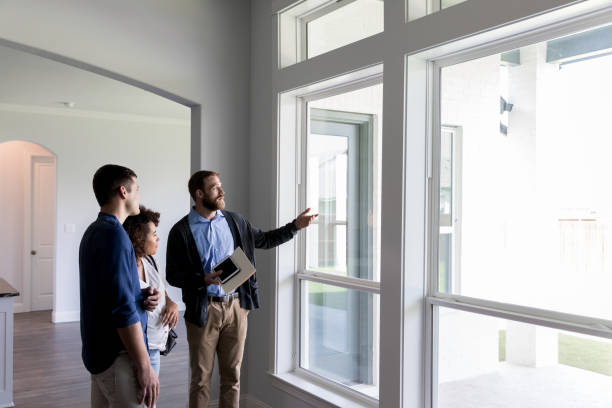
Rather than comparing quotes based on price alone, buyers should understand what influences inspection fees and what each company includes in its service. Property size, age, accessibility, inspection scope, and optional testing can all affect the total expense. Reviewing these factors before scheduling helps homeowners compare providers fairly and understand what they are paying for.
Key Takeaways
Property characteristics affect pricing: Larger, older, or more complex homes may require more inspection time and a higher fee.
The service scope matters: Specialized testing and additional inspections may cost extra beyond a standard visual assessment.
Compare complete quotes: Review qualifications, included services, reporting, and potential additional charges instead of choosing solely by the lowest price.
1. Property Size Is One of the Main Pricing Factors
The size of a property can directly influence how long an inspection takes. A larger home may contain more rooms, bathrooms, fixtures, electrical components, and heating or cooling equipment to examine. The inspector may also need additional time to evaluate accessible exterior and interior areas.
Because of these differences, inspection companies may use the home’s square footage when calculating their fees. However, pricing methods vary, and some companies may consider other property characteristics alongside size.
For example, two homes with similar square footage may have different inspection requirements if one contains multiple HVAC systems, extensive exterior features, or more complicated construction.
When requesting an estimate, provide accurate information about the home’s approximate size and layout. This allows the company to prepare a quote based on the actual property rather than relying on a general price that may change later.
2. The Age and Condition of the Home Can Affect the Fee
Older homes may require additional attention because they can contain aging materials, outdated components, previous repairs, or signs of long-term wear. Inspectors may need more time to document visible concerns and explain areas where further evaluation could be necessary.
A property with extensive renovations or unusual construction features may also require additional discussion about accessible components and inspection limitations.
Newer homes are not automatically less expensive to inspect. Their size, layout, number of systems, accessibility, and the requested service still influence the amount of work involved.
Buyers should share relevant information about the property’s age, renovation history, and known concerns when requesting a quote. These details help the inspection company determine whether its standard pricing applies or whether the property requires a different service arrangement.
3. The Type of Property Influences Inspection Pricing
Not every residential property presents the same inspection requirements.Fidelis Home Inspections A conventional single-family home may have a different scope from a townhouse, condominium, multi-unit residential property, or home with unusual architectural features.
The number of accessible systems, separate living areas, roof configurations, and mechanical components can affect the time needed to complete the inspection. Access arrangements and shared building systems may also influence which components the inspector can evaluate.
Before booking, explain the property type and confirm that the company provides the inspection service required. Buyers should also ask whether the quoted fee covers the entire property or only the specific unit or areas identified in the agreement.
This clarification is particularly important when shared building components or common areas fall outside the inspector’s responsibility.
4. Inspection Scope Determines What the Price Includes
A standard home inspection generally focuses on visible and accessible components, such as roofing, exterior features, foundation-related observations, interior areas, plumbing, electrical systems, and heating and cooling equipment, subject to applicable standards and the agreed scope.
Additional services may be available when a buyer needs more information about a specific concern. However, these services are not necessarily included in the standard inspection fee.
Services That May Require Separate Charges
Sewer-line camera inspection: Evaluates accessible portions of a sewer line using specialized equipment.
Pest inspection: Assesses evidence of wood-destroying insects or other pest-related concerns.
Mold or indoor air-quality testing: May involve sampling and laboratory analysis when appropriate.
Specialized structural evaluation: Provides a more detailed assessment when structural concerns require expertise beyond a standard inspection.
Additional property-specific testing: May be recommended for particular systems or conditions that cannot be adequately evaluated during a visual inspection.
The availability, pricing, and qualifications required for these services vary. Buyers should ask whether an additional service is offered directly by the company, arranged through another provider, or billed separately.
A clear written scope helps prevent misunderstandings about what the original inspection fee covers.
5. Accessibility and Property Complexity Can Add Time
Some properties take longer to inspect because certain areas are difficult to access. Restricted attic entrances, obstructed crawl spaces, steep roof configurations, extensive landscaping, or stored belongings may affect the inspection process.
An inspector must also consider safety and accessibility. If an area cannot be evaluated safely or reasonably accessed, the inspector may document the limitation instead of attempting an unsafe examination.
Complex layouts and multiple mechanical systems can create additional work even when a property is not especially large. In some cases, a company may adjust its estimate based on these factors.
When requesting a quote, mention known access restrictions and unusual property features. Confirm how the company handles inaccessible areas and whether any additional visit would involve another fee.
During a Home Inspection
During a home inspection, a qualified inspector evaluates the property’s accessible areas and major systems to identify visible defects, potential safety concerns, and conditions that may require further investigation. The process gives buyers a clearer understanding of the home’s condition before making important decisions about the purchase.
The inspector typically examines major components such as the roof, foundation, plumbing, electrical systems, heating and cooling equipment, doors, windows, and accessible interior and exterior areas. The exact scope depends on the inspection agreement, property accessibility, and applicable standards.
The duration of the inspection may vary depending on the property’s size, age, condition, and complexity. Buyers should confirm the appointment time and estimated inspection duration with the provider in advance. If the property is located outside the company’s usual service area, additional travel charges may apply, so it is important to clarify the total cost before scheduling.
Buyers should also ask when the written inspection report will be available and whether photographs, explanations of significant findings, and recommendations for further evaluation are included. Understanding the reporting process helps buyers plan their next steps, particularly when inspection deadlines are specified in the purchase agreement.
During the visit, buyers may benefit from asking questions about significant observations and requesting clarification when a finding is unclear. However, inspectors generally focus on observable conditions rather than predicting every future repair or guaranteeing that all defects will be discovered.
Ultimately, a home inspection helps buyers understand the property’s condition, identify potential concerns, and prepare for any necessary follow-up evaluations. Confirming the inspection scope, scheduling arrangements, fees, and report delivery expectations in advance can make the process more organized and reduce the likelihood of misunderstandings.
7. What Is a Reasonable Home Inspection Price in Richmond, TX?
There is no single inspection fee that applies to every property in Richmond. Pricing depends on the company’s rates, the home’s characteristics, the agreed inspection scope, and whether optional services are included.
As a general budgeting approach, buyers can request multiple quotes for the same property and compare what each provider offers. If one estimate is substantially lower than another, check whether the difference reflects a narrower scope, excluded services, or different reporting arrangements.
The following table provides a practical framework for comparing inspection quotes. It is not a list of verified local market prices; actual fees should be confirmed directly with inspection companies.
Pricing Factor
Potential Effect on Cost
What to Confirm
Home size
Larger homes may require more time
Square footage used for the quote
Property age
Older homes may need closer attention
Whether age affects the standard fee
Property type
Complex layouts may increase inspection time
Areas and systems included
Inspection scope
Additional testing may increase the total
Which services are included or separate
Accessibility
Restricted areas may limit or complicate the inspection
Access requirements and exclusions
Travel and scheduling
Special arrangements may affect charges
Travel fees and appointment terms
Reporting and follow-up
Service arrangements may differ
Report delivery and clarification options
A fair comparison considers both the price and the work being performed. The lowest quote is not automatically the most suitable choice, and a higher fee does not guarantee a more thorough inspection.
8. How to Compare Quotes Without Overlooking Quality
Comparing inspection companies becomes easier when every provider receives the same basic property information and questions. Buyers should request written estimates that clearly identify the service scope, pricing, and any conditions that could lead to additional charges.
Licensing and experience are also important considerations. Texas regulates home inspectors through the Texas Department of Licensing and Regulation, so buyers should verify the appropriate active license of the person who will conduct the inspection.
It is useful to request a sample report with identifying information removed. A clear report should explain observations, document relevant conditions, and identify when further evaluation may be appropriate.
Buyers should also ask whether the inspector is available to clarify the report after delivery. Understanding how findings are communicated can be just as important as understanding the initial fee.
9. Questions to Ask Before Paying for an Inspection
Before scheduling, buyers should clarify the complete cost and the responsibilities included in the agreement. A few direct questions can help prevent unexpected expenses and make competing quotes easier to evaluate.
Ask whether the price is based on square footage, property age, or other characteristics. Confirm whether the report is included, when it will be delivered, and whether follow-up questions are covered by the original fee.
It is also important to ask which systems are excluded and whether additional assessments require separate appointments. If the property has known concerns, describe them before booking so the company can explain whether the standard service is appropriate.
Finally, review the cancellation, rescheduling, and payment terms. Written confirmation of these details gives buyers a clearer understanding of the total commitment.
Plan Your Inspection Budget With Confidence
The cost of a home inspection reflects more than the time spent walking through a property. Size, age, construction, accessibility, inspection scope, and additional services can all affect the final quote. Understanding these factors helps buyers prepare a realistic budget and compare providers based on the actual service being offered.
Anyone researching home inspection costs in Richmond, TX should request written estimates for the specific property, verify the inspector’s qualifications, and confirm which services are included. Taking these steps before booking can reduce uncertainty and help buyers make informed decisions about an important stage of the home-buying process.
Frequently Asked Questions
1. How Much Does a Home Inspection Cost in Richmond, TX?
The price varies depending on property size, age, complexity, inspection scope, and the provider’s pricing structure. Requesting written quotes for the same property is the most reliable way to compare current local fees.
2. Does the Size of a Home Affect Inspection Cost?
Yes. Larger homes often contain more rooms, fixtures, and systems to examine, which may increase the time required. However, companies use different pricing methods, so square footage is not the only factor.
3. Are Additional Tests Included in a Standard Home Inspection?
Not always. Services such as sewer-line camera inspections, pest evaluations, mold testing, and specialized structural assessments may require separate arrangements and additional fees.
4. Does an Older Home Cost More to Inspect?
It may, depending on the company’s pricing policy and the property’s condition and complexity. Buyers should disclose the home’s age and known concerns when requesting an estimate.
5. Should I Choose the Cheapest Home Inspection Company?
Price should be considered alongside licensing, experience, inspection scope, report quality, and communication. Comparing complete written quotes helps buyers understand the value and limitations of each service.
6. When Should I Schedule a Home Inspection During a Purchase?
Buyers should coordinate the inspection as early as practical within the timeline established by their purchase contract. Confirm the relevant inspection deadline with the real estate agent and allow time for reviewing the report and arranging any necessary follow-up evaluations.