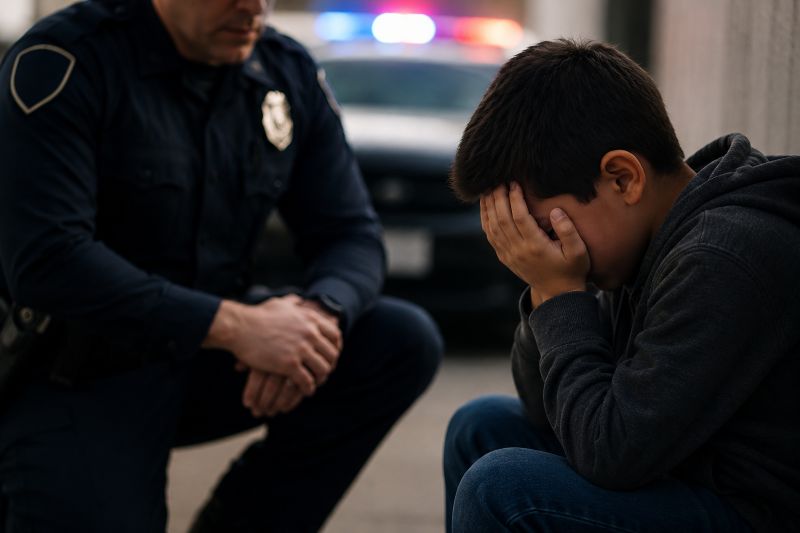
When a child has an encounter with law enforcement, parents expect officers to follow the law, act professionally, and protect the child’s rights. Unfortunately, that does not always happen. Across California, families continue to report incidents involving excessive force, unlawful detention, intimidation, racial profiling, and coercive questioning involving minors. Cases involving police misconduct in Victorville CA have drawn increasing attention as parents seek accountability and legal guidance after traumatic interactions between officers and children.
For families, the aftermath can be overwhelming. A child may experience anxiety, emotional distress, fear of authority, or even physical injuries. Parents are often left wondering whether the officer’s conduct crossed a legal line and what steps they can take to protect their child.
Understanding the rights minors have during police encounters is critical. Knowing how to respond, document misconduct, and pursue legal remedies can make a major difference in protecting a child’s future and holding authorities accountable.

Understanding Police Misconduct Involving Minors
Police misconduct occurs when an officer abuses their authority or violates someone’s constitutional rights. When minors are involved, the legal and ethical concerns become even more serious because children are more vulnerable during interactions with law enforcement.
Misconduct involving minors may include:
- Excessive force during arrest or detention
- Illegal searches of backpacks, phones, or personal property
- Threats, intimidation, or coercive questioning
- Failure to notify parents during custody
- Racial profiling or discriminatory treatment
- Denial of access to legal counsel
- False arrest or unlawful detention
- Physical or verbal abuse
Children often do not understand their constitutional rights or how to respond under pressure. Officers are expected to account for a minor’s age, emotional maturity, and legal protections during every interaction.
Why Minors Have Special Legal Protections
The law recognizes that children are not equipped to handle police interactions the same way adults are. Courts across the United States have repeatedly acknowledged that minors may feel compelled to obey authority figures, even when officers act improperly.
Constitutional Rights Still Apply to Children
Minors are protected under the U.S. Constitution, including:
- Fourth Amendment protection against unlawful searches and seizures
- Fifth Amendment protection against self-incrimination
- Sixth Amendment right to legal counsel
- Fourteenth Amendment right to due process
These rights remain in effect whether a child is at school, in public, or in police custody.
California Protections for Juveniles
California law provides additional safeguards for minors during police questioning. Officers generally must allow minors under 18 to consult with an attorney before a custodial interrogation in many situations. This rule was created to reduce false confessions and protect vulnerable youth from coercive interrogation tactics.
For parents dealing with police misconduct in Victorville CA, understanding these state-specific protections can be essential when evaluating whether an officer violated the law.
Common Situations Where Misconduct Occurs
Police misconduct involving minors often happens during emotionally charged situations. Some of the most common scenarios include:
School Resource Officer Incidents
School resource officers are intended to improve campus safety, but some situations escalate unnecessarily. Students have reported aggressive restraint tactics, excessive physical force, and unlawful questioning at school.
In some districts nationwide, disciplinary matters that once involved school administrators now result in police involvement, increasing the risk of juvenile rights violations.
Traffic Stops Involving Teen Drivers
Teenagers stopped while driving may not fully understand their rights. Officers may pressure them into consenting to vehicle searches or answering incriminating questions without legal guidance.
Juvenile Detentions and Arrests
Children placed in custody are especially vulnerable. Parents should be alerted promptly, and officers must follow strict legal procedures. Any attempt to isolate, threaten, or manipulate a minor during detention may raise serious constitutional concerns.
Social Media and Digital Searches
Law enforcement increasingly examines minors’ phones and social media accounts during investigations. However, constitutional protections still apply. Officers generally need proper legal authority before conducting invasive digital searches.
Signs That a Child’s Rights May Have Been Violated
Parents may not immediately realize misconduct occurred. Some children are too frightened or confused to explain what happened clearly.
Potential warning signs include:
- Unexplained bruises or injuries
- Emotional withdrawal after police contact
- Fear of discussing the incident
- Statements about threats or intimidation
- Claims that officers refused access to parents
- Confusion about signing documents or giving statements
- Reports of racial slurs or discriminatory treatment
A trusted, reliable legal review can help families determine whether officers violated departmental policies or constitutional protections.
Real-World Example of Police Misconduct Involving a Minor
One widely discussed California case involved a teenager who was aggressively detained by officers after being mistaken for a suspect. Witness video later showed officers using force despite minimal resistance from the minor. The incident led to public outrage, internal investigations, and civil claims alleging excessive force and constitutional violations.
Cases like this demonstrate why video evidence, witness statements, and immediate legal action can be crucial. They also show how quickly routine encounters can escalate when officers fail to apply appropriate standards during interactions with minors.
Although every situation is unique, experienced legal representation can help families evaluate whether misconduct occurred and what remedies may be available.
What Parents Should Do After Suspected Police Misconduct
Parents often feel powerless after learning their child may have been mistreated by law enforcement. Taking the right steps early can strengthen a potential legal case and help protect the child’s wellbeing.
Document Everything Immediately
Write down every detail while memories are fresh, including:
- Date, time, and location
- Officer names or badge numbers
- Witness contact information
- Physical injuries or emotional symptoms
- Statements made by officers
- Video or photo evidence
Even small details may become important later.
Seek Medical Attention if Necessary
If a child suffered physical injuries, prompt medical evaluation creates important documentation. Emotional trauma may also require professional support from a counselor or therapist.
Avoid Speaking Publicly Before Legal Advice
Parents sometimes post details online immediately after an incident. While understandable, public statements can complicate future legal claims. Consulting a well-experienced attorney first is often the best course of action.
Request Official Records
Body camera footage, dispatch logs, police reports, and surveillance footage may become critical evidence. An attorney can help pursue these records through proper legal channels.
Legal Remedies Available to Families
When police misconduct harms a minor, several legal options may be available depending on the circumstances.
Civil Rights Lawsuits
Families may pursue claims under federal civil rights laws if officers violated constitutional protections. These lawsuits can involve:
- Excessive force
- Unlawful detention
- False arrest
- Discriminatory policing
- Failure to provide due process
Successful claims may result in compensation for medical expenses, emotional distress, and long-term damages.
Claims Against Government Agencies
Police departments and municipalities may also face liability in some situations, especially when misconduct reflects poor training, negligent supervision, or repeated policy violations.
Internal Affairs Complaints
Filing a formal complaint with the department may trigger an internal investigation. While this process does not replace civil litigation, it may support broader accountability efforts.
Juvenile Record Protection
If misconduct contributed to wrongful charges against a minor, legal action may help protect or clear the child’s juvenile record.
How an Attorney Can Help Families
Cases involving police misconduct against minors are legally complex. Law enforcement agencies often have substantial legal resources defending officers and departments.
A trusted attorney can help by:
- Investigating constitutional violations
- Preserving evidence
- Interviewing witnesses
- Consulting use-of-force experts
- Negotiating with government agencies
- Filing civil claims within legal deadlines
A results-driven legal strategy may improve the likelihood of accountability and financial recovery.
For families facing police misconduct in Victorville CA, working with a top-rated civil rights attorney can provide clarity during an emotionally difficult time.
Preventing Future Harm Through Accountability
Holding officers accountable does more than address one family’s experience. Legal action can encourage policy reforms, improved officer training, and better protections for minors throughout the community.
Many industry-leading police reform efforts began after families pursued justice following unlawful treatment of children. Public awareness, legal advocacy, and proper oversight all contribute to safer interactions between youth and law enforcement.
Parents should never assume that misconduct involving a child must simply be accepted. Constitutional rights apply to everyone, regardless of age.
Conclusion
Police officers hold significant authority, but that authority has legal limits, especially when minors are involved. Children are entitled to constitutional protections during every interaction with law enforcement, and violations can have lasting emotional, physical, and legal consequences.
Families confronting police misconduct in Victorville CA should act quickly to preserve evidence, understand their rights, and seek experienced legal guidance. Whether the issue involves excessive force, unlawful questioning, or discriminatory treatment, parents have legal tools available to pursue accountability and protect their child’s future.
James S. Terrell Law Office understands the serious impact police misconduct can have on children and families. With a trusted, results-driven approach, the firm helps clients pursue justice, protect constitutional rights, and seek accountability when law enforcement misconduct causes harm.

The right legal representation can help families navigate complex civil rights claims while advocating for justice, transparency, and meaningful reform.