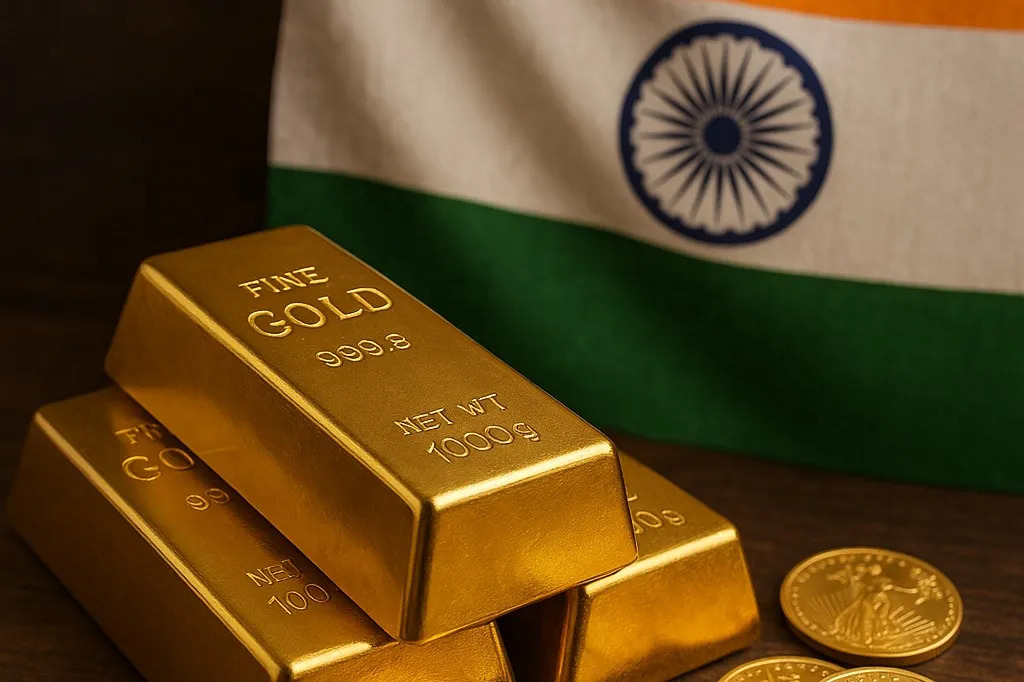
In recent years, the global economy has seen considerable fluctuations, leading to a significant impact on commodity prices. Among these, gold has consistently maintained its allure as a safe haven asset. For Indians, the fascination with gold transcends mere investment; it encompasses cultural significance and tradition. In this article, we will evaluate the rising gold rate in India today, shedding light on macroeconomic trends influencing this surge and the implications for gold loans as a financial instrument.
The Current Landscape of Gold Prices in India
Gold prices in India have witnessed a considerable uptrend in recent months. As of October 2023, the average gold rate per gram is hovering near historical highs, drawing considerable attention from both investors and consumers. This increase can be attributed to several interconnected factors, including inflationary pressures, global economic uncertainties, and changing consumer behavior.
Factors Influencing Gold Prices
- Global Economic Conditions
The geopolitical climate plays a significant role in the gold market. Uncertainties stemming from political instability, trade wars, and economic downturns lead investors to flock towards gold as a safe asset. The ongoing tensions in various regions around the world have fueled demand for gold, driving prices higher. - Inflation Concerns
As inflation rises, the purchasing power of currency diminishes. Gold has historically been viewed as a hedge against inflation. In an environment where central banks are printing more money, the value of fiat currencies is at risk. Hence, many investors are turning towards gold, contributing to its rising prices. - Exchange Rates
Fluctuations in the value of the Indian Rupee against the US Dollar also influence gold prices. A weaker Rupee makes gold more expensive for Indian consumers. Consequently, currency volatility can significantly impact the gold rate in India. - Demand and Supply Dynamics
The demand for gold for domestic consumption, jewelry, and investment purposes directly impacts its price. Festivals, weddings, and cultural events often lead to spikes in demand, driving prices upwards. On the supply side, mining production levels and imports also play critical roles in determining the gold price.
Understanding Loan Against Gold
As the gold prices in India soar, many individuals see an opportunity not just for investment but also as a financial asset through loans against gold. This financial product allows individuals to leverage their gold holdings without selling them. The process is straightforward: lenders extend credit to individuals based on the market value of the gold they possess. This can provide quick liquidity in times of need, making it an attractive option for many.

Benefits of Loan Against Gold
- Quick Access to Funds
One of the most significant advantages of taking a loan against gold is the speed of access to funds. Unlike traditional personal loans, the approval process for gold loans is relatively quick, often completed within a day. - Lower Interest Rates
Gold loans typically come with lower interest rates compared to unsecured loans, primarily because they are secured against an asset. For individuals looking for immediate financial assistance without excessive interest burden, gold loans can be an optimal solution. - Retention of Ownership
By opting for a gold loan, borrowers do not have to sell their gold assets. Once the loan is repaid, the borrower retains ownership of their gold, which can appreciate in value over time. - Flexible Repayment Options
Many lenders provide flexible repayment tenures for gold loans, allowing individuals to choose a plan that suits their financial capabilities.
The Cultural Significance of Gold in India
Gold in India is not merely an investment; it is deeply woven into the cultural fabric of society. From weddings to religious ceremonies, gold plays a pivotal role in various celebrations. Its intrinsic value is associated with prosperity, status, and wealth. This cultural connection often results in persistent demand, irrespective of price fluctuations.
The Outlook for Gold Prices in India
Given the current economic landscape, predicting the future trajectory of gold prices remains challenging. However, several trends can be observed:
- Continued Demand Amidst Uncertainty: As geopolitical tensions persist and inflation remains a concern, it’s likely that demand for gold will continue to drive prices upward.
- Technological Advancements in Gold Mining: The introduction of new technologies in gold mining could potentially increase supply, balancing the demand-supply equation to some extent. However, this will take time to reflect in the market.
- Shifts in Consumer Preferences: The growing interest in digital gold and gold ETFs may affect traditional gold purchases. As more investors shift towards digital assets, the conventional gold market may experience changes in demand patterns.
Conclusion
The rising gold price in India is a reflection of various macroeconomic trends and sociocultural factors. As an investment, gold has always maintained its allure, especially in uncertain times. For individuals looking for quick liquidity, loans against gold offer a practical solution, allowing them to harness the value of their assets without relinquishing ownership. As we move forward, it will be essential to monitor global economic conditions, inflation rates, and cultural shifts to fully understand the dynamics of gold in India.

In summary, whether one is investing in gold or considering a gold loan, understanding the broader economic implications is crucial for making informed financial decisions. The gold market holds potential for both stability amid uncertainty and challenges in adapting to changing market conditions.