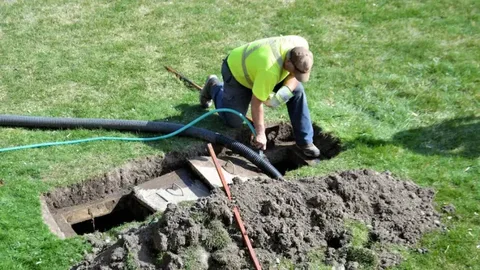
Wastewater planning is an important part of new-home construction because poor system design can affect soil, groundwater, property usability, and long-term maintenance costs. WBP CONTRACTING LLC considers wastewater requirements during planning so that site conditions, drainage, utilities, and construction decisions can be evaluated together. A new home needs a wastewater system that matches the property rather than relying on assumptions from another site. Understanding wastewater basics for new homes helps homeowners recognize how septic design, soil conditions, groundwater protection, and routine maintenance work together.
Key Takeaways
- Soil conditions influence how wastewater can be treated and dispersed.
- Septic systems require appropriate sizing, placement, and maintenance.
- Groundwater protection depends on proper system design and adequate separation distances.
- Early wastewater planning can prevent costly changes after construction begins.
Why Wastewater Planning Belongs in Early Home Design
Wastewater management should be addressed before major site work begins. If a property does not have access to a municipal sewer system, a private septic system may be necessary, and its design depends heavily on the characteristics of the land.
A septic system generally separates solids from liquid wastewater before the liquid portion moves into a soil absorption area. Soil organisms and physical filtration help treat contaminants as wastewater moves through suitable soil. If the soil is too shallow, poorly draining, saturated, or otherwise unsuitable, a conventional system may not be appropriate.

That is why wastewater planning should occur alongside site evaluation. The location of the home, driveway, well, drainage features, property boundaries, and septic area all need to work together without creating conflicts.
For new construction, early planning also gives the project team time to address permits, soil evaluations, system sizing, excavation requirements, and potential alternatives. Waiting until construction is already underway can limit available options and increase costs.
Understanding Soil and Groundwater Protection
Soil is a critical part of many onsite wastewater systems. Understanding how a septic system works includes recognizing how soil structure determines how quickly water moves through the ground and how effectively contaminants can be filtered and treated.
Highly permeable soil may allow wastewater to move too quickly, reducing the amount of natural treatment before it reaches groundwater. Dense or poorly draining soil can create the opposite problem by preventing wastewater from dispersing properly.
Groundwater protection requires appropriate separation between wastewater treatment areas and groundwater resources. A private well, for example, should be located and protected according to applicable local requirements so that wastewater does not create a contamination pathway.
The site’s seasonal groundwater level also matters. A system that appears suitable during dry conditions may face different limitations when groundwater rises. Professional site evaluation should therefore consider both soil characteristics and seasonal conditions before the system is finalized.
Soil And Site Factors
- Soil texture and drainage affect wastewater treatment.
- Seasonal groundwater levels should be considered during site evaluation.
- Septic areas need appropriate separation from wells and other sensitive features.
- Property layout should reserve adequate space for wastewater infrastructure.
Septic System Components and Their Roles
A typical septic system includes a tank, distribution components, and a soil absorption area. Each component performs a different function, and problems in one part can affect the performance of the entire system.
The septic tank receives wastewater from the home and allows heavier solids to settle while lighter materials remain near the surface. Bacteria within the tank help break down some organic matter, but solids still accumulate and eventually require removal.
After initial treatment, liquid wastewater moves toward the soil absorption area. Distribution must be designed so that the receiving soil is not overloaded. Uneven flow can cause one portion of the system to receive excessive wastewater while other areas remain underused.
Household water use also affects system performance. Excessive water entering the system in a short period can reduce treatment effectiveness and contribute to hydraulic stress. Efficient plumbing fixtures, leak repairs, and reasonable water-use habits can support system longevity.
Section 3: Regional Considerations for New Homes
Local conditions should influence wastewater decisions rather than treating every property as identical. Rural areas can have different soil profiles, groundwater characteristics, lot sizes, regulations, and access requirements from nearby developed communities.
For homeowners considering septic services in North Dakota, the property’s soil and available space should be assessed before selecting a system. North Dakota’s cold climate also creates considerations for buried infrastructure, frost protection, seasonal construction conditions, and access for future maintenance.
The location of the septic system should leave sufficient room for service access. A system placed too close to structures, driveways, landscaping, or other permanent improvements can make future inspection, pumping, repairs, or replacement more difficult.
A backup or reserve area can also be valuable where local regulations and property conditions allow it. Planning for future replacement space during the initial design may prevent major site disruption years later.
Protecting the System After Construction
A properly designed wastewater system still requires responsible use. Homeowners should understand that the septic tank is not designed to receive every household substance that enters a drain.
Grease, harsh chemicals, excessive solids, and inappropriate materials can interfere with biological treatment or contribute to blockages. Products labeled as disposable should also be evaluated carefully because some materials do not break down as expected inside a septic system.
Routine pumping is another important maintenance practice. The appropriate frequency depends on tank size, household occupancy, wastewater volume, and the amount of solids entering the system. A fixed schedule should not be assumed for every household.
Water conservation can also reduce stress on the system. Spreading laundry and other high-volume water use across several days can help prevent sudden hydraulic loading, particularly in systems with limited absorption capacity.
Section 4: Designing Wastewater Around the Entire Property
Wastewater infrastructure should be considered part of the overall property design rather than an isolated utility. The house footprint, well, driveway, drainage patterns, landscaping, and future improvements should all be reviewed before the wastewater area is finalized.
For buyers researching septic installation in Williston, for example, local property conditions may influence system selection, placement, and construction requirements. Rural construction can also require careful coordination between excavation, utility installation, grading, and wastewater work.
Drainage deserves particular attention. Surface water should not be directed toward the septic absorption area because excessive water can reduce the soil’s ability to accept wastewater. Proper grading can help keep stormwater moving away from critical wastewater infrastructure.
Future additions should also be considered. A homeowner may eventually add a garage, detached building, pool, deck, driveway expansion, or landscaping. Protecting the wastewater area from future construction reduces the risk of accidentally damaging underground components.
Long-Term Protection Priorities
- Keep heavy vehicles away from the wastewater absorption area.
- Prevent stormwater from concentrating over the septic field.
- Schedule inspections and pumping according to system conditions.
- Consider future property improvements before finalizing system placement.
Construction Decisions That Affect Wastewater Performance
Site grading is one construction decision that can have long-term consequences. The finished property should direct surface water away from the home and wastewater components while maintaining appropriate drainage across the site.
Excavation should also be coordinated carefully. Heavy equipment operating over buried wastewater components can compact soil or damage system infrastructure. Once the system is installed, the designated area should be protected from unnecessary traffic.
Landscaping choices matter as well. Deep-rooted trees and large shrubs should not be placed directly over critical wastewater components because roots can interfere with pipes or distribution structures. Grass and suitable shallow-rooted vegetation are often more appropriate for absorption areas.
Construction teams should also maintain accurate records of the system’s location and components. Future homeowners, maintenance contractors, and property managers can benefit from knowing where the tank, lines, access points, and absorption area are located.
Decision Factors Before Selecting a Wastewater System
Homeowners should consider soil suitability, groundwater conditions, lot size, occupancy, expected wastewater volume, local requirements, maintenance access, and long-term property plans before selecting a system.
System cost should not be evaluated solely by the initial installation price. A less expensive option may create higher maintenance or replacement costs if it is poorly matched to the site’s conditions.
Permitting requirements also need attention. Local authorities may require soil evaluations, site plans, system designs, inspections, or other documentation before installation. Those requirements should be incorporated into the construction schedule instead of treated as last-minute administrative tasks.
The homeowner should also understand how the system will be maintained. A wastewater design that cannot be easily accessed for inspection or pumping can become inconvenient and expensive over time.
Common Questions About Wastewater for New Homes
Why is soil testing important for a new home’s wastewater system?
Soil testing helps determine whether the property can adequately receive and treat wastewater. Soil texture, drainage, depth, and seasonal groundwater conditions can influence which type of wastewater system is suitable.
Can a septic system affect groundwater?
Yes, if a system is improperly designed, overloaded, poorly maintained, or installed in unsuitable conditions, contaminants can potentially reach groundwater. Proper site evaluation, system design, installation, and maintenance help reduce that risk.
How often should a new septic tank be pumped?
There is no universal interval for every property. Pumping frequency depends on tank capacity, household size, wastewater volume, and solids accumulation. Regular inspection can help establish an appropriate maintenance schedule.
Can homeowners build over a septic system?
Permanent structures and heavy traffic should generally be kept away from critical septic components. Before planning an addition or other improvement, homeowners should confirm the location of the tank, absorption area, and associated infrastructure.
Does landscaping affect septic performance?
Yes. Deep-rooted vegetation, excessive irrigation, and poor surface drainage can interfere with wastewater infrastructure. Landscaping should be planned around the location and functional requirements of the system.
Building With Long-Term Water Protection in Mind
Wastewater planning affects more than the operation of a septic tank. It influences soil health, groundwater protection, property layout, construction sequencing, maintenance access, and future development possibilities.
The strongest approach begins before excavation. By evaluating soil, groundwater, drainage, utilities, occupancy, and local requirements together, homeowners can select a wastewater solution that fits the property instead of forcing the property to accommodate an unsuitable system.
Planning Wastewater as Part of the Build
A new home should have wastewater decisions incorporated into the broader construction plan from the beginning. WBP CONTRACTING LLC can discuss site conditions, construction requirements, wastewater considerations, and project priorities with homeowners preparing for a new build. Early coordination can help identify potential conflicts before they become expensive changes. Property owners can contact the company to discuss their plans, review site-specific considerations, and determine the appropriate construction steps for a reliable wastewater setup.

Final Thoughts
Understanding wastewater basics for new homes gives homeowners a clearer view of how soil, groundwater, septic infrastructure, drainage, and construction decisions connect. A properly planned system can support reliable wastewater treatment while helping protect surrounding soil and groundwater. Early evaluation remains the most important step because site conditions and property limitations are much easier to address before construction begins than after the home and landscaping are complete.