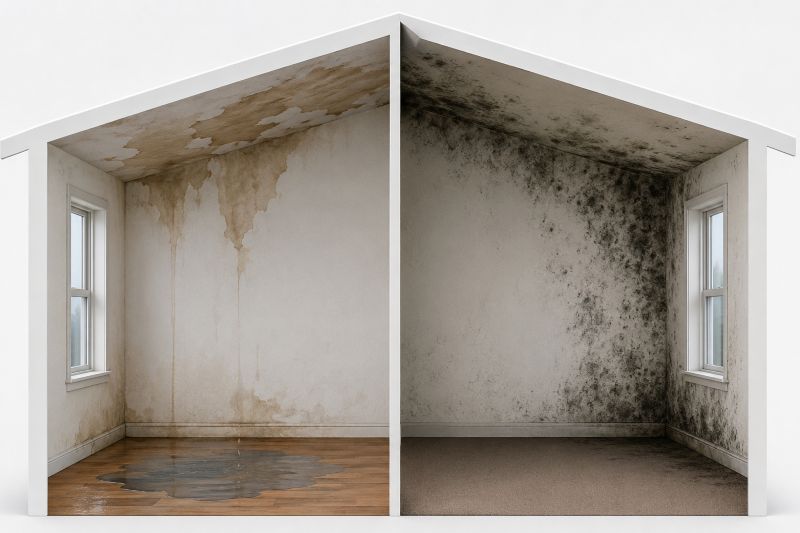
Water can damage a home in ways that are easy to notice, like soaked carpets or stained ceilings. Mold damage is often quieter. It can spread behind walls, under flooring, and inside air systems long before homeowners realize there is a serious problem. In many homes across Kaua’i, water damage and mold damage are connected, but they are not the same issue. Understanding the difference is essential for protecting both property value and indoor air quality.
For homeowners dealing with leaks, flooding, storm damage, or high humidity, knowing when water damage becomes mold damage can save thousands of dollars in repairs. It can also help prevent long-term structural problems and health concerns. Professional services for Water Damage Restoration Kaua’i HI are often the first step toward limiting damage before mold has the chance to spread.
Understanding Water Damage in Residential Properties
Water damage happens when excess water enters a property and affects building materials, furniture, or structural systems. It may result from natural disasters, plumbing failures, roof leaks, appliance malfunctions, or drainage issues.
In tropical areas like Kaua’i, heavy rainfall and humidity increase the risk of moisture-related problems year-round. Even small leaks can escalate quickly if moisture remains trapped inside the home.
Common Causes of Water Damage
Homeowners frequently experience water damage from:
- Burst or leaking pipes
- Overflowing sinks or bathtubs
- Roof leaks during storms
- Appliance failures
- Sewer backups
- Flash flooding
- Foundation cracks
- Air conditioning leaks
Some damage appears immediately, while other issues develop slowly over time.
Signs of Water Damage
Water damage is usually visible and may include:
- Water stains on ceilings or walls
- Warped wood flooring
- Bubbling paint
- Damp drywall
- Soft or sagging materials
- Standing water
- Musty odors
Prompt cleanup is critical. Moisture that remains for more than 24 to 48 hours creates the ideal environment for mold growth.
What Is Mold Damage?
Mold damage occurs when fungal growth develops in damp environments. Mold spores exist naturally in the air, but they multiply rapidly when moisture and organic materials are present.
Unlike water damage, mold damage continues to spread even after the original water source is gone if the area is not properly treated.
Conditions That Lead to Mold Growth
Mold thrives in:
- Humid environments
- Poorly ventilated spaces
- Areas with hidden moisture
- Wet drywall or insulation
- Damp carpeting
- Flood-damaged materials
Kitchens, bathrooms, attics, basements, and crawl spaces are common problem areas.
Signs of Mold Damage
Mold damage may include:
- Black, green, or white spots on surfaces
- Persistent musty smells
- Peeling wallpaper
- Discoloration on walls or ceilings
- Increased allergy symptoms indoors
- Rotting wood
- Crumbling drywall
Some mold remains hidden behind walls or under flooring, making professional inspection important.
The Key Difference Between Water Damage and Mold Damage
The biggest difference is timing and biological activity.
Water damage refers to the direct impact of water on materials and structures. Mold damage occurs when moisture remains long enough for fungal growth to develop.
Water damage can exist without mold. However, mold damage almost always starts with unresolved moisture problems.
Water Damage Is Immediate
Water damage often happens suddenly. A pipe bursts, a roof leaks, or floodwater enters the property. The effects are usually visible right away.
Quick action can prevent additional complications.
Mold Damage Develops Over Time
Mold takes time to grow. Under ideal conditions, mold can begin forming within 24 to 48 hours after water exposure. Once it spreads, remediation becomes more complicated and costly.
This is why trusted professionals offering Water Damage Restoration Kaua’i HI services focus heavily on rapid drying and moisture removal.
Why Mold Damage Can Be More Dangerous
While both issues require professional attention, mold damage can present additional risks to health and structural safety.
Health Concerns Related to Mold
Exposure to mold may trigger:
- Allergies
- Respiratory irritation
- Asthma symptoms
- Headaches
- Skin irritation
- Chronic coughing
Children, seniors, and individuals with respiratory conditions are especially vulnerable.
Structural Damage from Mold
Mold feeds on organic materials like wood, drywall, and insulation. Over time, this weakens structural integrity and creates costly repair needs.
If mold spreads into framing or HVAC systems, restoration becomes significantly more extensive.
Categories of Water Damage
Not all water damage carries the same level of contamination. Restoration professionals typically classify water into three categories.
Category 1: Clean Water
This comes from sanitary sources such as:
- Broken supply lines
- Sink overflows
- Appliance leaks
Although relatively safe initially, clean water can become contaminated if left untreated.
Category 2: Gray Water
Gray water contains contaminants and may come from:
- Washing machines
- Dishwashers
- Toilet overflows without waste
Exposure may cause illness if improperly handled.
Category 3: Black Water
Black water is highly contaminated and dangerous. It may contain sewage, bacteria, or floodwater contaminants.
Examples include:
- Sewer backups
- Storm surge flooding
- Standing floodwater
Professional restoration is essential in these cases.
How Water Damage Restoration Prevents Mold Growth
Fast response is the most effective defense against mold. Reliable restoration companies use specialized equipment to eliminate moisture before mold can develop.
Water Extraction
High-performance extraction equipment removes standing water quickly. The faster water is removed, the lower the risk of long-term damage.
Structural Drying
Industry-leading drying systems target hidden moisture inside walls, flooring, and subfloors.
This process may include:
- Industrial air movers
- Commercial dehumidifiers
- Moisture meters
- Infrared inspections
Sanitization and Cleaning
Affected areas are cleaned and disinfected to prevent microbial growth.
Moisture Monitoring
Professional technicians continue monitoring moisture levels until the property reaches safe drying standards.
Real-World Example: Hidden Damage After a Roof Leak
A homeowner in Kaua’i noticed a small ceiling stain after a period of heavy rain. Initially, the damage seemed minor, and the leak appeared to stop after temporary roof repairs.
Several months later, the homeowner began noticing a persistent musty odor and worsening allergy symptoms indoors. A professional inspection revealed hidden mold growth behind the drywall and inside the attic insulation.
The original water damage had never been fully dried. Moisture trapped inside the ceiling cavity created the perfect environment for mold colonization.
The restoration process eventually required:
- Mold remediation
- Drywall replacement
- Insulation removal
- Air quality treatment
- Roof repairs
The final cost far exceeded what early intervention would have required.
Why DIY Cleanup Often Falls Short
Many homeowners attempt to handle water or mold problems themselves. While small spills may be manageable, larger moisture problems usually require professional equipment and expertise.
Hidden Moisture Is Difficult to Detect
Water often travels behind walls and beneath flooring. Surface drying alone rarely removes all moisture.
Household Fans Are Not Enough
Consumer-grade fans may circulate air but cannot properly dehumidify structural materials.
Mold Spores Spread Easily
Improper cleanup can release spores into the air and spread contamination to unaffected rooms.
Professional restoration teams use containment systems, advanced drying methods, and proven remediation protocols to prevent cross-contamination.
Preventing Water and Mold Damage in Kaua’i Homes
Preventive maintenance is one of the best investments homeowners can make.
Inspect Roofing Regularly
Heavy rain and coastal weather can weaken roofing systems over time.
Check for:
- Missing shingles
- Soft spots
- Water stains in the attic
- Clogged gutters
Monitor Indoor Humidity
High humidity accelerates mold growth. Dehumidifiers and proper ventilation help maintain balanced moisture levels.
Repair Leaks Immediately
Even small plumbing leaks should never be ignored.
Improve Ventilation
Bathrooms, kitchens, and laundry rooms should have reliable airflow systems.
Schedule Professional Inspections
Experienced restoration professionals can identify hidden moisture before serious damage develops.
Choosing the Right Restoration Company
Not all restoration providers offer the same level of service. Homeowners should look for companies with:
- Proven experience
- Reliable response times
- Advanced drying technology
- Mold remediation expertise
- Industry certifications
- Transparent communication
Eco Kauai Services provides results-driven solutions designed specifically for the unique environmental conditions found throughout Kaua’i. Their well-experienced team understands how quickly moisture issues can escalate in tropical climates.
When to Call for Professional Help
Homeowners should contact a restoration specialist immediately if they notice:
- Standing water
- Persistent dampness
- Musty odors
- Visible mold
- Flood damage
- Ceiling stains
- Warped flooring
- Increased indoor humidity
Fast action reduces repair costs and helps protect the home from long-term damage.
Final Thoughts
Water damage and mold damage may seem similar, but they create different challenges for homeowners. Water damage is the initial event, while mold damage develops when moisture remains unresolved. Both problems can threaten the safety, comfort, and value of a property if ignored.
In Kaua’i’s humid environment, rapid response is especially important. Professional Water Damage Restoration Kaua’i HI services help homeowners remove moisture quickly, prevent mold growth, and restore their homes safely and efficiently.
By understanding the differences between these two types of damage, homeowners can make informed decisions that protect both their investment and their health.