Keeping your garden clean and well-maintained often means dealing with a large amount of organic waste. From grass clippings and fallen leaves to tree branches and unwanted plants, garden maintenance can quickly create piles of waste that need proper disposal. One of the easiest ways to manage this material is by hiring a green waste skip bin.
However, before booking a skip bin, it is important to understand which materials can and cannot be placed inside it. Knowing the accepted waste types helps avoid disposal issues and ensures your garden waste is handled appropriately.
If you are planning a backyard clean-up, landscaping project or seasonal garden maintenance, here is a practical guide to what you can put in a green waste skip bin.

1. Grass Clippings and Lawn Waste
Grass clippings are among the most common materials accepted in green waste skip bins. Regular lawn mowing, edging and garden maintenance can produce substantial amounts of grass waste.
Instead of filling multiple garden bags, you can collect suitable grass clippings and place them directly into your green waste skip bin. This makes lawn maintenance easier and keeps your outdoor space tidy.
2. Leaves and Fallen Branches
Fallen leaves and small branches can quickly accumulate, particularly during seasonal changes and after strong winds. While these materials are natural, leaving them scattered around your property can make your garden look untidy.
Green waste skip bins provide a convenient way to collect:
- Dry and fresh leaves.
- Small tree branches.
- Twigs and sticks.
- Fallen palm fronds, where accepted.
- General garden trimmings.
Always check the provider’s size and material restrictions before disposing of larger branches or bulky garden waste.
3. Tree Trimmings and Hedge Clippings
Pruning trees and trimming hedges are important parts of maintaining a healthy garden. However, these activities often generate a significant amount of organic waste.
Tree trimmings, hedge clippings and suitable shrub branches can generally be placed in a green waste skip bin. This is particularly useful when completing large landscaping projects or clearing overgrown outdoor areas.
For easier loading, consider cutting larger branches into manageable pieces while following the skip bin provider’s guidelines.
4. Weeds and Unwanted Plants
Removing weeds and unwanted plants helps maintain a healthy and attractive garden. Whether you are clearing garden beds or preparing an area for new plants, the process can generate plenty of organic material.
Common garden waste suitable for green waste bins may include:
- Pulled weeds.
- Dead flowers.
- Unwanted plants.
- Small shrubs.
- Garden foliage.
- Non-invasive plant cuttings.
Be aware that some invasive weeds and plants carrying seeds or diseases may require special handling. Check with your waste provider before disposing of them.
5. Flowers and Garden Waste
Dead flowers, old plants and general garden cuttings can also contribute to green waste. Instead of allowing these materials to accumulate around your garden, you can collect them in a dedicated skip bin.
This is especially helpful when redesigning garden beds, removing seasonal plants or preparing outdoor spaces for new landscaping.
6. What Should You NOT Put in a Green Waste Skip Bin?
Although green waste skip bins can accommodate many organic materials, they are not designed for general household or construction rubbish.
The following items are commonly restricted:
- Plastic bags and packaging.
- General household rubbish.
- Food scraps and cooked food.
- Treated or painted timber.
- Concrete, bricks and building materials.
- Soil, sand and rocks.
- Metal and glass.
- Chemicals and hazardous materials.
- Furniture and electronic waste.
Putting unsuitable materials into a green waste skip bin can result in additional disposal charges or collection issues. Always confirm the accepted materials with your skip bin provider before loading the bin.
Why Choose a Green Waste Skip Bin for Garden Clean-Ups?
Hiring a green waste skip bin offers several practical advantages, particularly when dealing with large gardening or landscaping projects.
Convenient waste collection: You can collect different types of suitable garden waste in one central location rather than making multiple trips to a waste facility.
Saves time and effort: A skip bin reduces the time spent transporting and unloading garden materials.
Keeps your property organised: Having a dedicated waste collection area helps prevent garden waste from spreading across your outdoor space.
Supports responsible disposal: Suitable organic materials can often be processed into compost or mulch, depending on the waste management facility’s practices.
Suitable for different projects: From small backyard clean-ups to commercial landscaping jobs, different skip bin sizes can accommodate varying waste volumes.
How to Choose the Right Green Waste Skip Bin Size
Selecting the correct skip bin size is important for managing your garden waste efficiently. Consider the amount and type of waste your project is likely to produce before booking.
For example, a small garden tidy-up may only require a smaller skip bin, while tree removal, extensive pruning or a complete backyard renovation may require a larger option.
If you are unsure which size is suitable, discuss your project requirements with the skip bin provider. They can help you choose an appropriate option based on your estimated waste volume.
Where Can You Hire a Green Waste Skip Bin in Adelaide?
If you are planning a garden clean-up or landscaping project, choosing a reliable local skip bin provider can make waste disposal much easier.
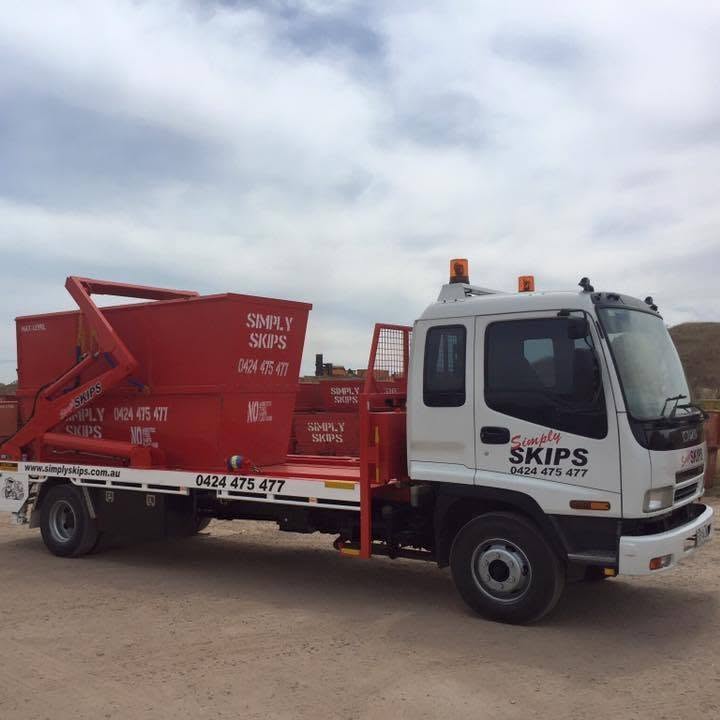
Simply Skips offers green waste skip bin solutions in Adelaide, helping homeowners, gardeners and businesses manage suitable organic garden waste conveniently.
Whether you need to remove grass clippings, tree branches, hedge trimmings or unwanted plants, having a dedicated skip bin can simplify the entire clean-up process.
Explore green waste skip bin options and find a suitable solution for your next outdoor project.
Final Thoughts
Understanding what you can and cannot put in a green waste skip bin helps make garden waste disposal easier and more efficient. Materials such as grass clippings, leaves, branches, weeds and suitable plant trimmings are commonly accepted, while general rubbish, construction materials and hazardous waste are usually restricted.

Before hiring a skip bin, always check the provider’s waste acceptance guidelines and select a size that suits your project. With the right green waste skip bin, you can keep your outdoor space clean, organised and ready for your next gardening project.


