Streetwear fans often focus on graphics and logos first, but the fabric underneath is what determines how a shirt actually feels, fits, and holds up over time. A well-made bape tee shirt isn’t just a canvas for the ape-head print, it’s a garment built with specific material choices that affect drape, durability, and comfort. Understanding those choices helps explain why Bape tees carry a premium price tag compared to mass-market graphic shirts sold elsewhere.
The Core Material: One Hundred Percent Cotton
Bape’s standard tee shirts are almost always constructed from one hundred percent cotton, a choice that prioritizes breathability and softness over synthetic durability. Cotton naturally absorbs moisture and allows airflow, making it comfortable for everyday wear across different climates. This is a fairly traditional choice within streetwear, and it’s part of why Bape tees feel closer to premium basics than to cheap festival merchandise. The simplicity of the fabric puts more pressure on construction quality to justify the price.
Jersey Knit Construction Explained
Most Bape tees use a jersey knit structure, the same basic weave found in classic t-shirts worldwide. Jersey knit is created by looping yarn in a single direction, producing a smooth face on the outside and a slightly textured back. This construction gives the fabric natural stretch and a soft hand-feel without needing added elastane. It’s a practical, time-tested choice that keeps the shirt functional for daily wear while still holding printed graphics cleanly across the surface.

Combed and Ringspun Cotton for a Premium Feel
Higher-end Bape releases often specify combed or ringspun cotton rather than standard carded cotton. Combing removes shorter, weaker fibers before spinning, while ringspinning twists fibers tightly together for extra strength and a smoother surface. The result is a fabric that feels noticeably softer and drapes better than basic cotton tees. This upgrade isn’t always obvious from a distance, but it’s noticeable the moment you touch the shirt or wear it against your skin for the first time.
Fabric Weight and Why It Matters
Bape tees typically use a mid-to-heavyweight cotton, generally falling between 180 and 220 grams per square meter. This range gives the shirt enough structure to hold its shape without feeling stiff or overly thick for warm-weather wear. Heavier fabric also tends to hold screen-printed graphics more cleanly, since there’s less stretch to distort the design over time. It’s a deliberate middle ground between a flimsy fast-fashion tee and something closer to fleece-weight streetwear.
Screen Printing: The Primary Decoration Method
The bold, layered graphics associated with Bape are almost always applied using screen printing, a process where ink is pushed through mesh stencils onto the fabric surface. This method allows for vibrant, opaque colors that sit clearly on top of the cotton base, which is essential for the brand’s signature camo patterns and shark-face designs. Multiple layers are often used to build depth and color separation, especially on more detailed graphic tees within seasonal collections.
Embroidery Adds a Layer of Texture
Beyond printing, many Bape tees incorporate embroidered logos or accents, particularly the small ape-head emblem often placed on the chest or sleeve. Embroidery uses stitched thread rather than ink, giving the design a raised, textured finish that feels more premium and tends to last longer than a purely printed logo. This combination of screen printing for large graphics and embroidery for smaller branding details is a hallmark of how Bape balances bold visuals with lasting quality.
How Baby Milo Pieces Use Different Fabric Treatments
The pull baby milo line, while primarily built on fleece for sweatshirts, extends its playful character illustrations onto tee shirts using similarly detailed print work. These designs often require additional color layers to capture the soft, cartoon-like shading of the Baby Milo character, which places more demand on print precision than a simple logo tee. The fabric base stays consistent with the rest of the tee shirt lineup, keeping fit and feel familiar across different graphic themes.
Comparing Tee Materials to Hoodie Bape Construction
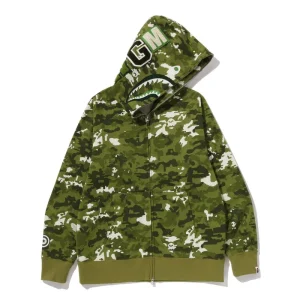
A hoodie bape piece uses a fundamentally different fabric than the tee shirt lineup, typically heavyweight cotton fleece rather than jersey knit. Fleece is brushed on the interior for warmth and structure, giving hoodies their signature boxy silhouette that tees simply can’t replicate. While both product categories share cotton as a base material, the weight, knit structure, and finishing process differ significantly to suit each garment’s purpose, from lightweight daily wear to heavier seasonal outerwear.
Where the Veste Requin Fits Into the Material Lineup
The veste requin, Bape’s iconic shark-face jacket, moves away from tee shirt materials entirely. These jackets typically use nylon or polyester-based shells, sometimes with fleece lining, chosen for water resistance and structure rather than the softness cotton provides. This is a clear example of Bape selecting fabric based on function, prioritizing durability and shape retention for outerwear while keeping tees lightweight and breathable. Comparing the two highlights how deliberately material choices vary across the brand’s full catalog.
Dye Quality and Colorfastness
Color consistency matters enormously for a brand built around bold camo patterns and saturated graphics. Bape generally uses reactive dyes on its cotton tees, which bond more permanently with fiber compared to cheaper pigment dyes. This results in colors that resist fading through normal washing far better than budget alternatives. Combined with proper cold-water care, a well-made bape tee shirt can maintain sharp, vibrant graphics for years rather than dulling noticeably after just a handful of washes.
Durability Compared to Other Graphic Tees
Because of the combination of quality cotton, tighter knit construction, and layered printing techniques, Bape tees generally outlast typical fast-fashion graphic shirts. Seams hold up better under repeated washing, and the heavier fabric weight resists thinning and pilling longer than lightweight alternatives. This durability is part of what justifies the price difference for many buyers, since the shirt is built to remain wearable and visually intact well beyond a single season of regular rotation.
What This Means When You’re Buying
Understanding the materials behind a Bape tee helps set realistic expectations before you buy. You’re paying for combed cotton, precise screen printing, and construction details like embroidery, not just a logo. Comparing that to the fleece in a hoodie bape or the technical fabric in a veste requin shows how intentionally Bape treats each product category. Knowing this also helps guide proper care, since cotton, fleece, and technical shells all respond differently to washing and everyday wear.
Want this saved as a file you can download or hand off elsewhere?