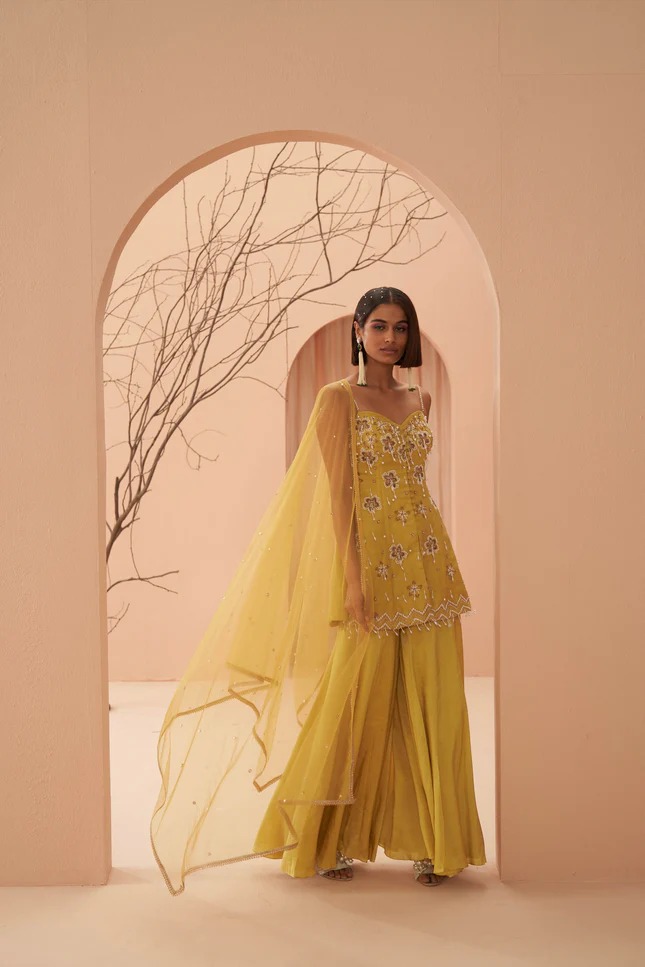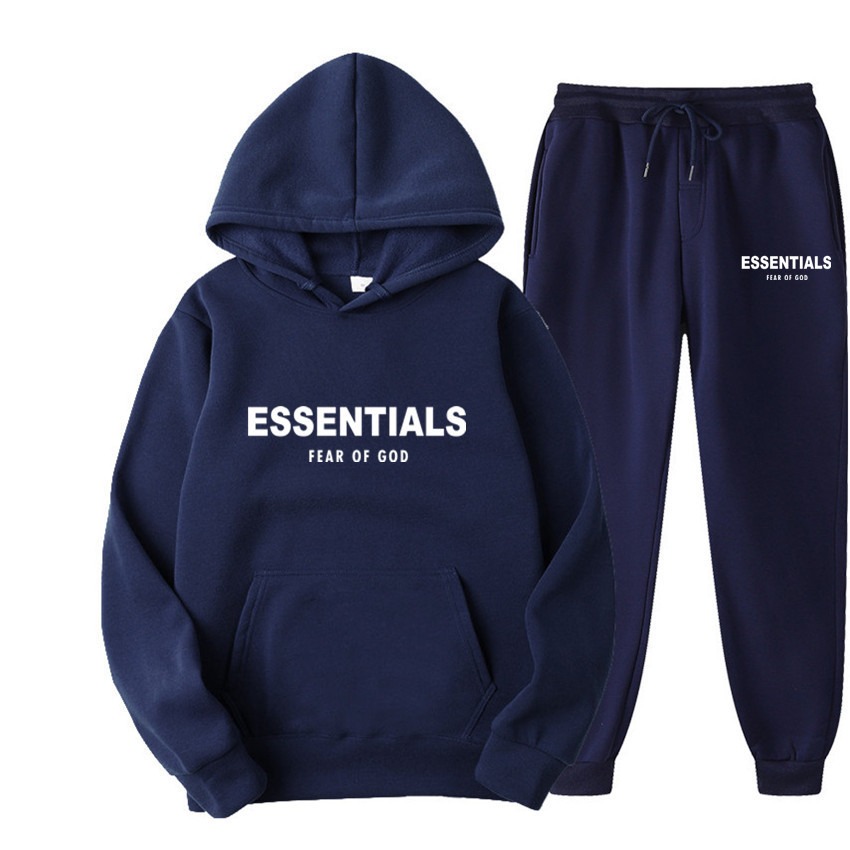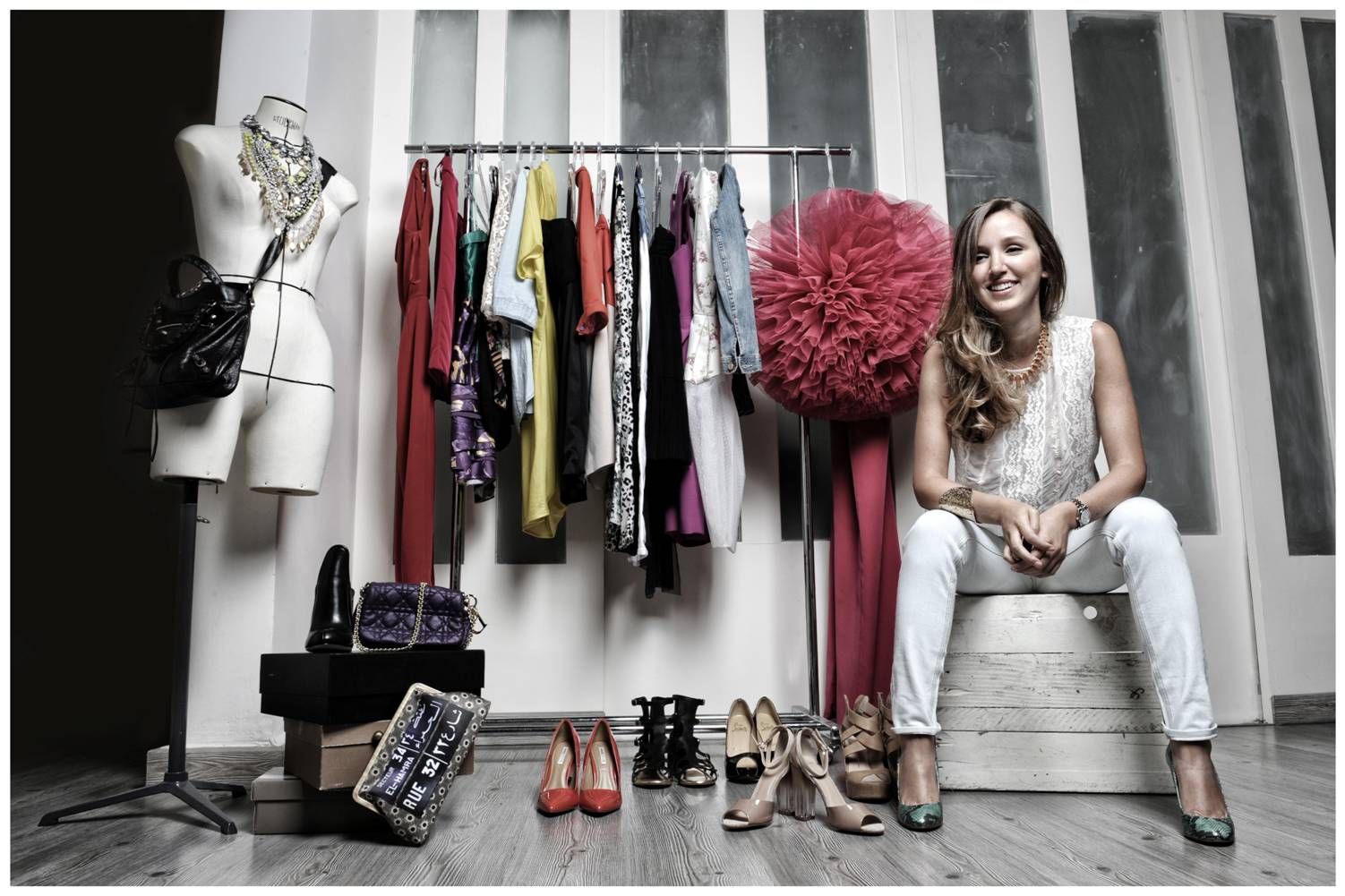
Fashion trends can change quickly, but successful boutique buying requires more than following the latest designs. Retailers sourcing wholesale dresses manchester need to understand which styles are gaining attention, how they suit UK customers and whether they offer lasting commercial value.
From relaxed midi dresses to statement prints and modern occasionwear, the dress market offers several directions for independent shops. Manchester’s wholesale fashion market gives retailers access to different styles, including Italian-inspired collections and contemporary womenswear.
However, not every popular design will suit every boutique. Understanding current fashion influences, fabric choices and changing customer preferences can help retailers select dresses that complement their existing ranges and appeal to their target market.

Fashion Trends Influencing the UK Boutique Dress Market
The UK womenswear market continues to combine practical everyday clothing with more expressive designs. Recent fashion collections have highlighted romantic details, stronger shapes, rich colours and dresses suitable for different occasions.
For independent retailers, the important question is how these influences translate into clothing that customers will actually purchase.
Relaxed Midi and Maxi Dresses Remain Relevant
Midi and maxi dresses continue to offer useful options for boutiques serving different age groups and fashion preferences.
Relaxed shapes, flowing skirts and comfortable waistlines make these designs suitable for everyday collections. Shirt dresses, tiered styles and softly gathered silhouettes can also appeal to customers seeking fashionable clothing without complicated fits.
Retailers should pay attention to garment length, sleeve design and fabric movement. A flowing maxi dress may work well for a boutique specialising in relaxed fashion, while a structured midi could suit a shop with a smarter womenswear range.
Romantic Details and Statement Silhouettes
Lace trims, soft ruffles, delicate embroidery and draped fabrics are prominent influences in recent dress collections.
These details can give familiar shapes a fresh appearance. For example, a simple midi dress with lace sleeves may offer a more distinctive option than a plain design.
Drop waists, fitted shapes and softly layered dresses are also receiving attention in fashion collections.
However, runway popularity does not guarantee strong boutique sales. Retailers should consider whether these details suit their customers’ usual preferences and spending habits.
Prints and Rich Colours Bring Fresh Interest
Floral dresses remain relevant beyond spring and summer. Darker floral patterns, deeper backgrounds and richer colours can help these designs fit autumn collections.
Burgundy, chocolate brown, emerald green and other jewel tones are useful colours to consider alongside traditional black and neutral shades.
Animal prints, abstract patterns and artistic designs can also add variety to boutique collections.
A balanced approach is important. Statement prints may attract attention, but familiar colours and simpler patterns can help retailers serve customers who prefer understated clothing.
Italian Influences, Branded Fashion and Fabric Choices
Manchester’s wholesale clothing market includes suppliers offering different fashion influences, from relaxed Italian-inspired womenswear to contemporary branded collections.
These categories can help boutiques develop a distinctive identity, provided buyers understand the differences between design, quality and product origin.
Italian-Inspired Dresses and Contemporary Designs
Italian-inspired womenswear often features relaxed shapes, fluid fabrics, comfortable fits and simple decorative details.
Retailers researching wholesale dresses italy should distinguish between garments manufactured in Italy and clothing that merely follows Italian fashion influences.
These descriptions are not interchangeable. Buyers should check product labels, supplier information and country-of-origin details before making claims to customers.
Softly draped midi dresses, loose-fitting tunic styles and flowing printed designs may suit boutiques that focus on relaxed, contemporary fashion.
However, buyers should still examine garment measurements carefully. One-size clothing does not guarantee a suitable fit for every customer, even when the fabric stretches or the shape is generous.
Branded Dresses and Boutique Positioning
Some independent retailers prefer distinctive labels because recognised brands can support their shop’s identity.
When considering branded dress wholesale, buyers should examine the intended customer, product quality, brand positioning and recommended retail price where available.
A label may be familiar within one fashion market but relatively unknown to another customer group.
Retailers comparing branded dresses wholesale collections should also check product authenticity, supplier legitimacy and any restrictions affecting resale or promotional imagery.
Brand recognition alone is not enough. The dresses must still offer suitable fits, relevant designs and pricing that makes commercial sense.
Fabric Quality Shapes Customer Expectations
Fabric selection influences how a dress feels, hangs, washes and performs during regular use.
Cotton and linen blends can be useful for warmer seasons, while viscose offers a softer drape in many relaxed designs. Polyester and elastane blends may provide practical options for structured or stretch garments.
For autumn and winter, knitted fabrics, heavier jersey and textured materials can help retailers offer seasonally appropriate collections.
Buyers should inspect stitching, lining, transparency, fastening quality and fabric composition before committing to larger orders.
A dress that looks attractive in supplier photography may behave differently when handled or worn. Samples and accurate measurements can help prevent unsuitable buying decisions.
Turning Dress Trends into Stronger Boutique Collections
Recognising a fashion trend is only the beginning. Retailers must decide how it fits their existing range and whether their customers are likely to respond.
A successful boutique collection usually needs a clear balance between familiar products and newer designs.
Match Trends with Your Boutique’s Customer Base
A boutique specialising in occasionwear may benefit from elegant satin finishes, fitted midis and decorative details.
A shop focused on everyday womenswear may find greater value in relaxed cotton dresses, printed shirt dresses and comfortable long-sleeved styles.
Retailers should review previous sales before adding unfamiliar trends.
For example, if customers regularly purchase printed midi dresses but show limited interest in short fitted styles, a new seasonal collection should reflect that buying pattern.
New designs can still be tested in smaller quantities without replacing proven favourites.
Build Collections Around Seasonal Demand
Seasonal changes influence fabric weights, sleeve lengths, colours and dress styles.
Spring and summer ranges often favour lighter materials, sleeveless designs and brighter prints. Autumn and winter collections can include knitted dresses, long sleeves, darker florals and heavier fabrics.
Occasionwear follows a slightly different buying pattern because weddings, parties and formal events can create demand across several seasons.
Retailers should also consider related categories when planning their displays. For instance, suppliers offering wholesale shirts uk may provide complementary smart-casual products for a wider womenswear collection.
However, these additional categories should support the boutique’s identity rather than distract from its main dress selection.
Use Sales Feedback to Assess New Trends
Retailers can learn from customer enquiries, product returns, online engagement and sales records.
If a new dress receives considerable attention but few purchases, the problem may involve pricing, sizing or suitability rather than the design itself.
Similarly, repeated requests for longer sleeves or alternative lengths can reveal useful gaps in the existing range.
Comparing sell-through across different dress styles can help buyers identify which trends deserve repeat orders.
The aim is not to predict every fashion movement perfectly. It is to recognise useful changes early and respond with informed buying decisions.
Keeping Boutique Fashion Fresh and Commercially Relevant
Dress trends offer independent retailers opportunities to refresh their collections, but careful selection remains essential. Relaxed silhouettes, romantic details, seasonal prints and Italian-inspired designs can all contribute to a distinctive womenswear range when they match customer preferences.
Manchester’s varied wholesale market provides useful sourcing options, although buyers should always assess product quality, supplier information and garment suitability individually.

The strongest buying decisions combine awareness of fashion developments with practical evidence from existing sales. By introducing new designs selectively and reviewing customer responses, boutiques can maintain fresh collections without losing sight of the styles that already work for their business.