When you commission a custom piece, the gap between an idea in your head and a finished object is wide. Sketches and digital renders help, but one step does more than any other to confirm a design will work: building a physical model first. Custom jewelry prototyping gives you a real, three-dimensional preview before any precious metal or stone is committed, and it can save time, money, and disappointment.
What a Prototype Is
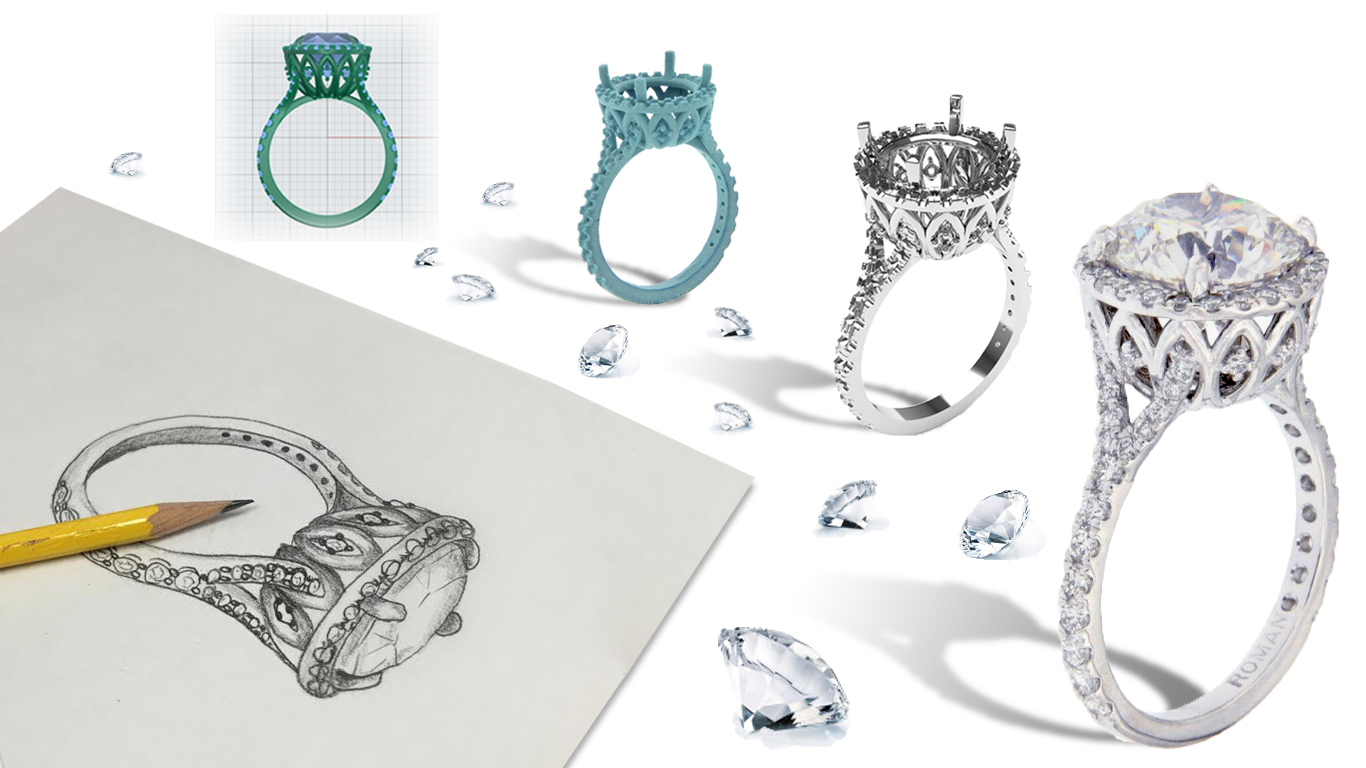
A prototype is an early physical version of your design, usually produced in wax or resin using 3D printing. It is made directly from the approved digital model, so it reflects the exact proportions, dimensions, and detail of the planned piece. You can hold it, try it on if it is a ring, and judge how it feels in a way that a screen image cannot convey.

This stage sits between digital design and full production. The digital model confirms the look, and the prototype confirms the physical reality.
Catching Problems Early
The main reason this step matters is that it reveals issues while they are still inexpensive to fix. A design can look balanced on screen yet feel bulky on the finger, or a band can appear elegant in a render but turn out thinner than expected once it exists physically.
Common things a prototype helps you check include:
- Scale and proportion against your hand or body
- Comfort and weight, especially for rings worn daily
- Whether stone sizes look right in real space
- How light interacts with the surfaces and angles
Identifying these points before casting means changes happen at the model stage, where adjustments are simple, rather than after the piece is made in gold or platinum. A correction in wax is quick, while a correction in finished metal can mean starting over.
How Prototype Production Works
In jewelry prototype manufacturing, the approved CAD file is sent to a 3D printer that produces the model in a castable wax or a detailed resin. The printed model captures fine features such as prong placement, engraving, and pave layout. You review it, and if something needs to change, the digital file is updated, and a new model is printed.
Once the prototype is approved, it moves into casting. The wax model is used to create a mold, molten metal is poured to form the piece, stones are set, and the item is polished and inspected. Because the prototype already confirmed the design, production proceeds with far less uncertainty.
The Value for Designers and Private Clients
For independent designers and brands, jewelry prototype manufacturing is a practical safeguard before producing a collection. Testing one physical sample first prevents repeating a flaw across an entire production run. It also gives designers a tangible sample to photograph, show to buyers, or use for fittings before investing in a full batch.
For private clients, a prototype provides reassurance. Commissioning a custom engagement ring or a milestone gift is meaningful, and seeing a physical model first removes much of the anxiety about whether the result will match expectations. You approve something you can actually hold, not just a picture on a screen.
Prototyping and Cost
People sometimes assume an extra step adds expense. In practice, prototyping often protects your budget. Correcting a design in wax or resin costs a fraction of remaking a finished piece in precious metal. It also reduces the chance of paying for changes after delivery, when adjustments are harder.
Ask your studio how prototyping fits into their process and pricing, how many model revisions are included, and how much time the step adds. A clear answer up front helps you plan and budget with confidence.
What to Expect at the Prototype Stage
When you reach the prototype stage, plan to examine the model carefully. Try a ring on at different times of day, since fingers change size slightly, and look at the piece in both natural and indoor light. Note anything that feels off, because this is the moment to speak up. Your feedback is then built into a revised model before production continues.
Conclusion
A finished custom piece is the product of several careful stages, and the prototype is the one that turns a digital plan into something physical you can evaluate. Custom jewelry prototyping confirms fit, scale, and feel, catches problems while they are cheap to fix, and gives designers and private clients confidence before final production.

CadCamNYC is a Manhattan-based custom jewelry studio that combines more than 20 years of craftsmanship with in-house 3D modeling and 3D printing. Prototyping is part of how the studio confirms a design before producing it in metal, so clients approve a real model first. If you are planning a custom project, ask how a prototype can give you certainty before the final piece.