The Hidden Danger in Everyday Cosmetics
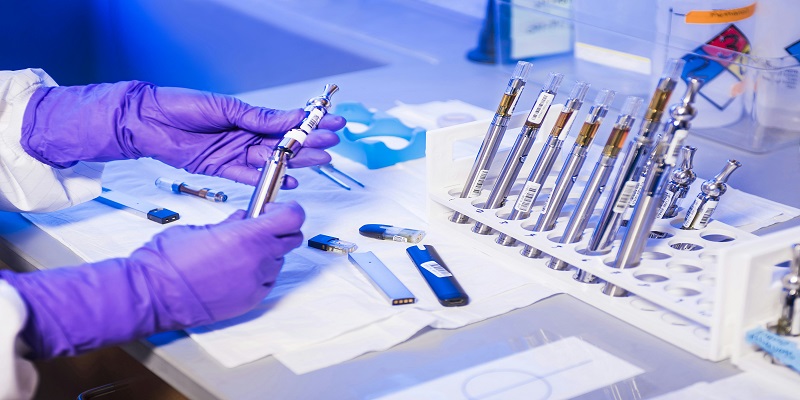
In recent years, several aerosol dry shampoo products have been voluntarily recalled after benzene was detected in certain lots, highlighting the importance of robust contaminant screening and supply-chain quality control. The solution is increasingly clear: one-stop cosmetic testing services can help improve workflow consistency, data integration, and risk assessment across safety, quality, efficacy, and regulatory testing.
The High Cost of Fragmented Testing
Under the traditional fragmented model, a brand might send samples to three different labs: one for microbes, one for heavy metals, and one for preservatives. Each lab uses different protocols and reporting formats. If results conflict, no single authority arbitrates. Fragmented testing may increase coordination time, duplicate sample handling, and complicate data interpretation, especially when multiple laboratories use different methods and reporting formats. For small and medium brands, these delays can mean missing a seasonal launch window entirely.
Core Testing Capabilities Under One Roof
A true one-stop cosmetic testing provider delivers broad testing capabilities under a unified quality management system. Core offerings span four critical areas:
- Microbial contamination testing: Screens for bacteria, yeast, mold, and pathogens like E. coli and Staphylococcus aureus.
- Preservative efficacy testing: Evaluates whether the preservative system can control microbial challenge under defined test conditions and supports shelf-life assessment when combined with stability and microbiological quality data.
- Hazardous substance analysis: Quantifies toxic heavy metals including lead, mercury, arsenic, and cadmium.
- Restricted substances analysis: Verifies compliance with legal concentration limits on thousands of ingredients.
In a one-stop model, the data connects, revealing patterns rather than just isolated pass or fail results.
Beyond Microbes: Safety, Efficacy, and Sensory Testing
Beyond microbiology and heavy metals, comprehensive one-stop programs include the following capabilities.
Safety and Toxicology
- Risk substances analysis: Screens for nitrosamines, 1,4-dioxane, and polycyclic aromatic hydrocarbons that may form during manufacturing or storage.
- HET-CAM test: A useful screening tool for ocular irritation potential in early formulation development, but regulatory acceptance should be confirmed for the target market and product category.
- Toxicological risk assessments: Evaluates cumulative safety based on exposure duration, concentration, and consumer use patterns.
Efficacy and Biological Activity
- Cell-based assays for cosmetics: Measures anti-inflammatory activity, antioxidant capacity, and collagen stimulation using human cell lines.
- Fish embryo test: OECD TG 236 can be used to evaluate acute toxicity of chemicals in embryonic stages of fish and may support environmental or ingredient-level safety assessment when relevant.
- Efficacy testing: Supports claims such as hydration, brightening, anti-aging, or soothing through an appropriate combination of in vitro assays, ex vivo models, instrumental measurements, and human use studies.
Sensory and Physical Properties
- Sensory evaluation of cosmetics: Trained panelists assess texture, spreadability, absorption rate, and after-feel.
- Physical and chemical testing: Measures pH, viscosity, specific gravity, color consistency, and stability under temperature and humidity stress.
- Cosmetic packaging testing: Evaluates container compatibility, extractables/leachables risk, seal integrity, and the impact of packaging on formulation stability under defined conditions.
When all services operate under one roof, brands receive a unified report that connects safety data to efficacy results to sensory outcomes, enabling faster troubleshooting and confident market submissions.
Which Products Require One-stop Testing
One-stop test services for cosmetics apply across three product segments. The list below provides examples of each category.
Cleansing products: facial cleansers, makeup removers, cleansing creams, bath gels, shampoos, shaving creams, and nail cleansers.
Care Cosmetics: Skin care creams, lotions, hair conditioners, hair creams, nail care water, nail hardeners, lip balms.
Color cosmetics: lipstick, lip gloss, lip liner, face powder, blush, eyeshadow, eyeliner, eyebrow pencil, mascara, nail polish, hair dye, perfume, and hairspray.
A leave-on or lip product may require closer evaluation of heavy metal impurities and exposure risk because of prolonged contact or potential incidental ingestion. A rinse-off product such as shampoo often requires microbiological quality, preservative efficacy, stability, and irritation-risk evaluation, with ocular safety assessment considered when exposure to the eye is reasonably foreseeable. A one-stop provider understands these distinctions and tailors testing protocols accordingly, eliminating the need for brands to become toxicology experts themselves.
Fragmented Testing Versus One-stop Testing
The operational differences between fragmented and one-stop testing are stark. The table below summarizes the key distinctions.
Aspect / Fragmented Testing / One-stop Test Services for Cosmetics
Number of laboratories: 3 to 5 separate providers / 1 integrated provider
Sample submission: Multiple shipments, multiple chains of custody / Single shipment, unified intake
Testing timeline: 8 to 12 weeks with sequential workflows / 3 to 4 weeks with parallel workflows
Reporting format: Inconsistent templates, different units / Standardized dashboard, unified metrics
Data integration: Manual comparison across PDFs / Automated cross-test correlation
Accountability: Labs can dispute or shift blame / Single point of contact, clear responsibility
Regulatory submission: Brand must compile and harmonize reports
Total cost: Higher due to duplication and logistics / Lower due to bundling and efficiency
For a small brand, the time savings alone, reducing testing from three months to one month, can determine whether a product launches before or after the holiday sales window. For larger manufacturers, the risk reduction of unified accountability prevents costly recalls.
Regulatory Pressures Favoring the One-stop Model
The shift toward one-stop test services for cosmetics is rapidly becoming a compliance necessity. Three major regulatory frameworks are driving this change.
United States: MoCRA expands FDA authority over cosmetics, including mandatory recall authority under defined conditions, serious adverse event reporting, facility registration, product listing, and safety substantiation requirements, with certain exemptions and product-specific considerations.
European Union: Regulation (EC) No 1223/2009 requires a Cosmetic Product Safety Report, Product Information File, responsible person, and compliance with prohibited, restricted, and permitted substance lists.
China: Under the current NMPA framework, imported general cosmetics may be exempt from animal testing if specified conditions are met, such as GMP certification and adequate safety assessment. Special cosmetics and certain higher-risk categories may still require additional toxicology data or animal testing.
A one-stop partner familiar with all three regimes helps brands navigate overlapping requirements without duplicating tests or missing jurisdiction-specific rules.
Conclusion: A Competitive Necessity
Fragmented testing leaves brands vulnerable to missed contaminants, delayed launches, and regulatory non-compliance. One-stop test services for cosmetics address these gaps through integrated workflows, unified reporting, and comprehensive coverage spanning microbiology, toxicology, efficacy, and sensory evaluation. As global regulators from the FDA to the NMPA raise their standards, partnering with a single, accredited testing provider is no longer a luxury. It is a competitive necessity. To explore how integrated testing can accelerate your next product launch, visit CD Formulation’s cosmetic testing services page for a full portfolio overview and personalized consultation options.