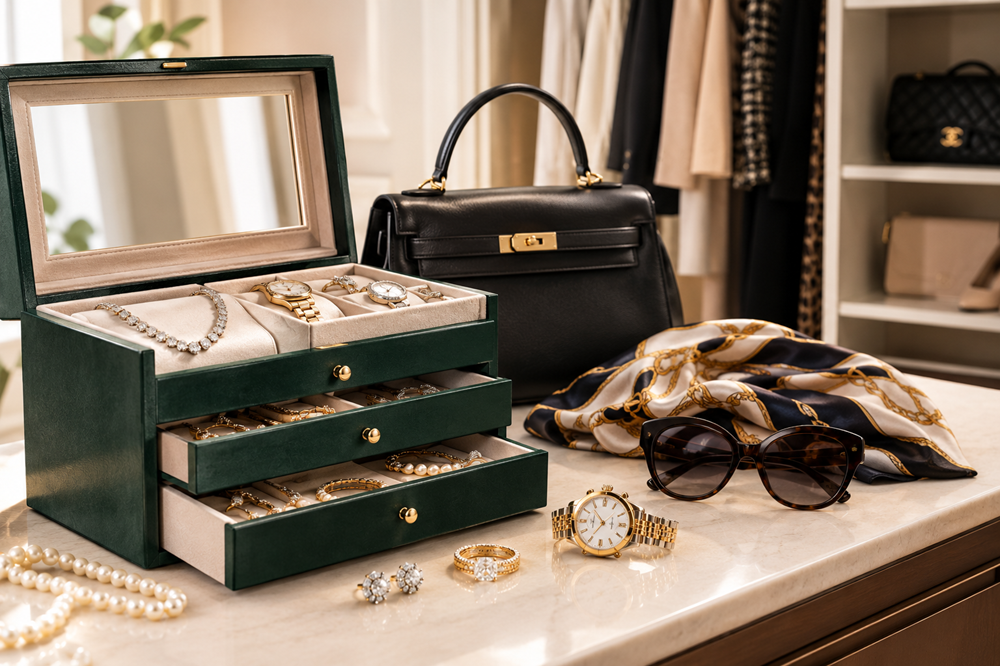
If you’ve ever opened a jewelry box filled with heirloom rings or a closet lined with designer handbags and wondered, “What is all this actually worth?” then, you’re not alone, and more importantly, you’re asking the right question. A handbag appraisal isn’t just paperwork for the ultra-wealthy anymore. As resale markets boom and insurance companies tighten their definitions of “adequately covered”, knowing the real, current value of what you own has become a practical necessity rather than a luxury exercise.
The Insurance Gap Nobody Talks About
Most standard homeowner’s or renter’s insurance policies include a modest cap on jewelry, watches, and accessories, which is often somewhere between $1,000 and $2,500 total, regardless of what you actually own. That number might have covered a few pieces decades ago. Today, it barely covers the cost of a single designer handbag, let alone an engagement ring, a vintage Cartier bracelet, or a collection built up over years.
This is where the gap becomes dangerous. People assume their belongings are covered simply because they have insurance, without realizing that anything above the policy’s sub-limit requires a rider, and riders require documentation. Without a professional, itemized valuation, filing a claim after theft, fire, or loss can turn into a drawn-out dispute over what something was “probably” worth, based on vague memory and old receipts.

Why “I Have the Receipt” Isn’t Enough
A purchase receipt tells an insurer what you paid, but it says nothing about what the item is worth today, what condition it’s in, or whether it’s authentic in a way that would hold up to scrutiny. We all know that the markets shift with time. A handbag purchased eight years ago may have appreciated significantly if it’s a discontinued or limited design or depreciated if trends moved on. Jewelry responds to gold and gemstone price fluctuations that have very little to do with the original price tag. This is precisely the gap that structured jewelry appraisal services are designed to close: they translate a static purchase price into a current, defensible market value, backed by documentation an insurer will actually accept.
The Resale Boom Changed the Rules
Over the past several years, the secondhand luxury market has exploded. Platforms built around reselling designer handbags, fine jewelry, and watches have turned once-niche collector behavior into mainstream financial strategy. People now think of a well-maintained handbag the way they might think of a stock position, which is something with a market, a resale value, and fluctuating demand.
That shift has quietly changed how people need to think about ownership. If a handbag can realistically be sold for several thousand dollars on the resale market, insuring it at its original “just in case” estimate, or not insuring it with specificity at all, leaves real money exposed. A formal purse appraisal establishes a defensible number tied to current market comparables, condition, and authenticity which is the same kind of documentation a buyer, insurer, or estate would expect to see.
What Actually Goes into a Proper Valuation
A credible appraisal isn’t a guess dressed up in official language. It usually entails a thorough physical or photographic inspection of the item, confirmation of materials and craftsmanship, comparison with recent market sales of similar pieces, and a self-sufficient written report that can be used for claims, sales, or estate matters.
Documentation Insurers Actually Respect
Insurers don’t want adjectives; they want numbers backed by process. A usable appraisal report typically includes clear photographs, a description of materials and condition, evidence of ownership where available, and a stated current value tied to how that figure was reached. This is the difference between a document that gets a claim approved quickly and one that triggers weeks of back-and-forth.
Why Condition and Authenticity Matter as Much as Brand
Two handbags from the same label, released the same year, can have meaningfully different values depending on hardware condition, interior wear, and whether the piece has been altered or repaired. The same logic applies to jewelry, wherein a stone’s clarity, a setting’s craftsmanship, and a piece’s overall condition all factor into an honest valuation far more than the name alone.
Inherited and Older Pieces Deserve a Second Look
One of the most overlooked moments for a reappraisal is inheritance. Family jewelry passed down a generation or two ago was often last valued decades earlier, sometimes with no formal paperwork at all. The same goes for a handbag collection that’s simply been sitting in a closet. Metal and gemstone prices move, designer resale markets shift, and what was once a modest estimate can be significantly out of date. Updating that valuation isn’t just about insurance, but it also matters for estate planning, equitable distribution among heirs, and simply understanding what you’re holding onto.
How Often Should a Valuation Be Updated?
As a general guideline, luxury items benefit from reappraisal roughly every two years, or sooner after a major market shift in gold, diamonds, or a specific designer’s resale demand. Treating an appraisal as a one-time event rather than a living document is one of the most common and costly mistakes collectors make.
Getting It Right the First Time
The most practical approach combines professional jewelry appraisal services with a parallel review of any handbags or accessories worth protecting, rather than treating them as separate concerns. Both categories respond to the same underlying principle: value is current, not historical, and documentation is what turns “I think it’s worth a lot” into something an insurer, buyer, or appraiser can actually stand behind.
Whether the goal is closing an insurance gap, preparing a piece for resale, settling an estate, or simply finally knowing what’s sitting in a closet or jewelry box, the process starts the same way with an honest, well-documented valuation rather than an educated guess.
Summing Up

To sum up, luxury ownership has quietly become more financially consequential than most people realize. A handbag appraisal or jewelry valuation isn’t about vanity or excess but about protecting something that holds real, trackable market value. As resale markets mature and insurers demand more specific documentation, treating these items as the financial assets they’ve become is simply good practice, not overcaution.