Many homeowners view their roof as a simple mounting surface for new equipment. Assessing the hidden issues behind a Solar Panel Installation Cost often starts with structural engineering checks. Older houses in the country frequently feature thin wooden rafters underneath the corrugated iron sheets.
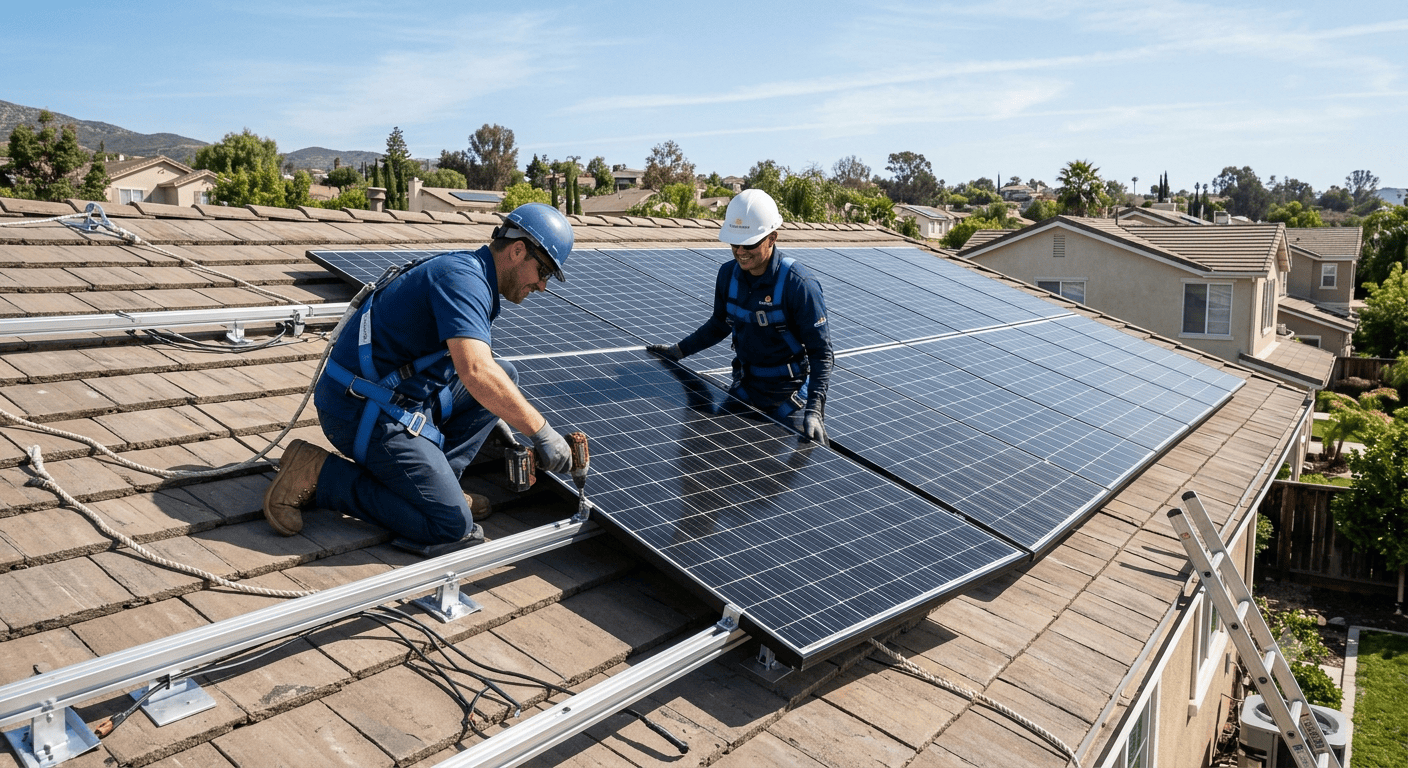
Solar arrays add significant physical weight to a residential property layout. Engineering teams must add heavy steel purlins to support the new hardware safely. These mandatory structural reinforcements add unexpected material and labor expenses to the initial project invoice.
Complex Roof Angles and Shading Realities
The direction of your roof faces dictates how much daily sunlight the system captures. Technicians spend extra hours designing layouts for homes with multi-tiered or highly complex roof structures. Contractors must build custom aluminum racking steps to position each frame at an optimal angle.

Nearby trees or tall neighboring buildings create shifting shadows throughout the afternoon hours. Overcoming these blocks requires individual microinverters instead of one centralized string inverter. Microinverters improve energy generation but carry a much higher market price than standard options.
Distance Between Panels and the Main Electrical Box
The physical location of your main breaker panel alters the final project price. Long wiring runs require heavy copper cables to prevent dangerous voltage drops across the system. Workers must run these thick wires through protective weather-proof conduits across multiple household floors.
Trenching through concrete pathways becomes necessary when building arrays on detached garage structures. This extra labor requires specialized tools and multiple days of manual brickwork restoration. Shorter distances keep budgets low while extended pathways increase the total bill heavily.
Upgrading Old Electrical Panels and Distribution Boards
Modern solar systems feed power directly into your existing household electrical network. Older residences in provincial areas often utilize outdated fuse boxes or low-capacity main circuit breakers. These old systems cannot handle the dual flow of incoming solar power and traditional grid electricity.
Contractors must swap old boards out for modern distribution panels before mounting any panels. This process requires hiring a registered master electrician to certify the new household wiring system. Homeowners must cover these electrical component upgrades out of pocket before activation day.
Grid Connection Delays and Net Metering Applications
Net metering allows property owners to sell excess daytime electricity back to the grid. Local distribution utilities require extensive technical testing before approving these specialized two-way meters. Homeowners must submit official distribution transformer assessments and certified electrical blueprints to get approval.
Processing these bureaucratic municipal applications often takes several months to finalize completely. Property owners frequently pay independent engineers separate handling fees to expedite the local utility paperwork. These administrative hurdles add a substantial hidden fee to the final deployment budget.

Key Takeaway
Hidden variables frequently change the final budget of a home renewable energy upgrade. Understanding every hidden Solar Panel Installation Cost helps people plan their residential investments without surprise fees. Total expenses depend on structural adjustments, premium hardware needs, and local utility permit requirements.