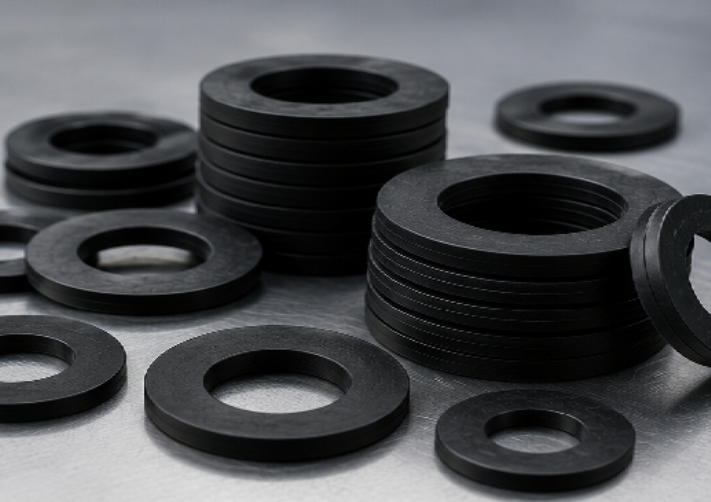
Composite washers have become an essential component in many industrial, automotive, construction, and manufacturing applications. By combining different materials into a single washer design, these components provide enhanced sealing capabilities, improved load distribution, and greater durability than traditional washers. Engineers and manufacturers increasingly rely on composite washer technology to address challenges such as vibration, fluid leakage, pressure fluctuations, and uneven load transfer. Through innovative material combinations and precise manufacturing processes, composite washers offer reliable performance in demanding environments while helping extend the lifespan of assembled components and systems.
Understanding Composite Washer Designs
A composite washer is a specialized fastening component that combines two or more materials to achieve performance characteristics that a single material cannot provide on its own. Common combinations include metal and rubber, where each material contributes unique advantages to the final product.
The metal portion typically provides structural strength, dimensional stability, and load-bearing capacity. The rubber component, on the other hand, delivers flexibility, sealing performance, and vibration absorption. This combination creates a highly effective solution for applications requiring both mechanical support and environmental protection.
One of the most effective manufacturing methods used in the industry is rubber-metal composite washer stamping, which enables precise production of washers that meet strict dimensional and performance specifications. The process ensures consistent quality and allows manufacturers to create complex washer designs suitable for a wide range of applications.
The Importance of Effective Sealing
Sealing performance is one of the primary reasons composite washers are widely used. Traditional metal washers can provide load distribution, but they often fail to prevent the passage of liquids, gases, or contaminants through fastening points.
Composite washers overcome this limitation by incorporating a rubber sealing element that compresses when the fastener is tightened. This compression creates a secure barrier around the fastening point, reducing the risk of leaks and contamination.
Industries such as automotive manufacturing, HVAC systems, plumbing, and industrial machinery benefit significantly from this enhanced sealing capability. Proper sealing helps prevent equipment failures, reduces maintenance requirements, and improves overall system reliability.
The precision involved in rubber-metal composite washer stamping ensures that the sealing material is properly bonded and positioned, maximizing sealing effectiveness under varying operating conditions.
How Composite Washers Improve Load Distribution
Load distribution is another critical factor in fastening system performance. Uneven load transfer can cause material deformation, fastener loosening, and premature component failure.
Composite washers help distribute loads more evenly across the contact surface. The metal portion provides rigidity and strength, while the rubber component adapts to surface irregularities. This combination minimizes stress concentrations and promotes uniform pressure distribution.
Benefits of improved load distribution include:
- Reduced risk of material damage
- Enhanced fastener retention
- Increased structural stability
- Lower maintenance requirements
- Extended service life of connected components
By optimizing both load-bearing and sealing functions, composite washers offer superior performance compared to conventional washer designs.

Enhanced Resistance to Vibration and Movement
Many industrial applications involve constant vibration, shock loading, or repetitive movement. Over time, these forces can loosen fasteners and compromise assembly integrity.
The rubber element within composite washers acts as a cushioning layer that absorbs vibration energy. This damping effect helps maintain fastener tension and reduces the likelihood of loosening during operation.
Applications that frequently benefit from vibration resistance include:
Automotive Systems
Vehicles experience constant vibration from engines, road conditions, and operational movement. Composite washers help maintain secure connections while protecting components from wear.
Industrial Machinery
Heavy machinery often operates under dynamic loads and intense vibration. Composite washers contribute to equipment reliability by minimizing fastener movement and reducing stress on connected parts.
Construction Equipment
Construction machinery is subjected to harsh operating conditions. Composite washer designs improve connection stability and support long-term performance in demanding environments.
Manufacturers specializing in high-performance fastening components often work closely with metric and rubber washers specialists to ensure products meet application-specific requirements.
Material Selection and Performance Advantages
The effectiveness of a composite washer depends heavily on material selection. Engineers choose materials based on operating conditions, environmental exposure, load requirements, and sealing needs.
Metal Components
Common metals used in composite washers include:
- Stainless steel
- Carbon steel
- Aluminum
- Brass
These materials provide structural integrity, corrosion resistance, and load-bearing strength.
Rubber Components
Various rubber compounds may be selected depending on application demands:
- EPDM
- Neoprene
- Nitrile
- Silicone
Each material offers unique benefits such as chemical resistance, temperature tolerance, and flexibility.
The manufacturing precision achieved through rubber-metal composite washer stamping allows these materials to function together efficiently, creating a durable and reliable fastening solution.
Applications Across Multiple Industries
Composite washers serve a wide range of industries due to their versatility and performance benefits.
Automotive Industry
Automotive manufacturers use composite washers in engines, body assemblies, fluid systems, and electrical components. The combination of sealing and load distribution helps maintain performance under varying temperatures and operating conditions.
Construction and Infrastructure
In construction projects, composite washers contribute to weather resistance and structural stability. Their sealing properties help prevent moisture intrusion while supporting secure fastening.
Industrial Manufacturing
Manufacturing facilities utilize composite washers in machinery, pumps, compressors, and processing equipment. Their ability to withstand vibration and maintain sealing integrity improves operational efficiency.
Energy and Utility Systems
Power generation and utility infrastructure often require reliable sealing and fastening solutions. Composite washers help protect critical systems from environmental exposure and mechanical stress.
Many organizations depend on experienced metric and rubber washers specialists to identify the most suitable washer configurations for these demanding applications.

Long-Term Cost Benefits
Although composite washers may have a higher initial cost than standard washers, they often provide significant long-term savings. Their enhanced performance reduces maintenance frequency, minimizes downtime, and extends equipment lifespan.
Additional cost-saving advantages include:
- Reduced leakage-related repairs
- Lower replacement frequency
- Improved equipment reliability
- Decreased operational disruptions
- Better protection of valuable assets
By preventing common fastening and sealing issues, composite washers contribute to more efficient operations and lower total ownership costs.
The Role of Precision Manufacturing
The success of composite washer performance relies heavily on manufacturing accuracy. Precise dimensions, material bonding, and quality control ensure consistent functionality across production batches.
Advanced production methods enable manufacturers to maintain tight tolerances while meeting specific customer requirements. This precision is particularly important in industries where sealing reliability and load management directly affect safety and performance.
Working with knowledgeable metric and rubber washers specialists helps organizations select washers that align with operational requirements and industry standards.
Conclusion
Composite washer designs play a vital role in improving both seal integrity and load performance across numerous industries. By combining the structural strength of metal with the flexibility and sealing properties of rubber, these washers provide a reliable solution for demanding applications. Their ability to distribute loads evenly, resist vibration, and prevent leakage makes them an essential component in modern engineering systems. Companies seeking precision-manufactured washer solutions can benefit from the expertise of JTD Stamping, whose commitment to in-house production, exact specifications, and high-quality washer manufacturing helps ensure dependable performance and long-term value.