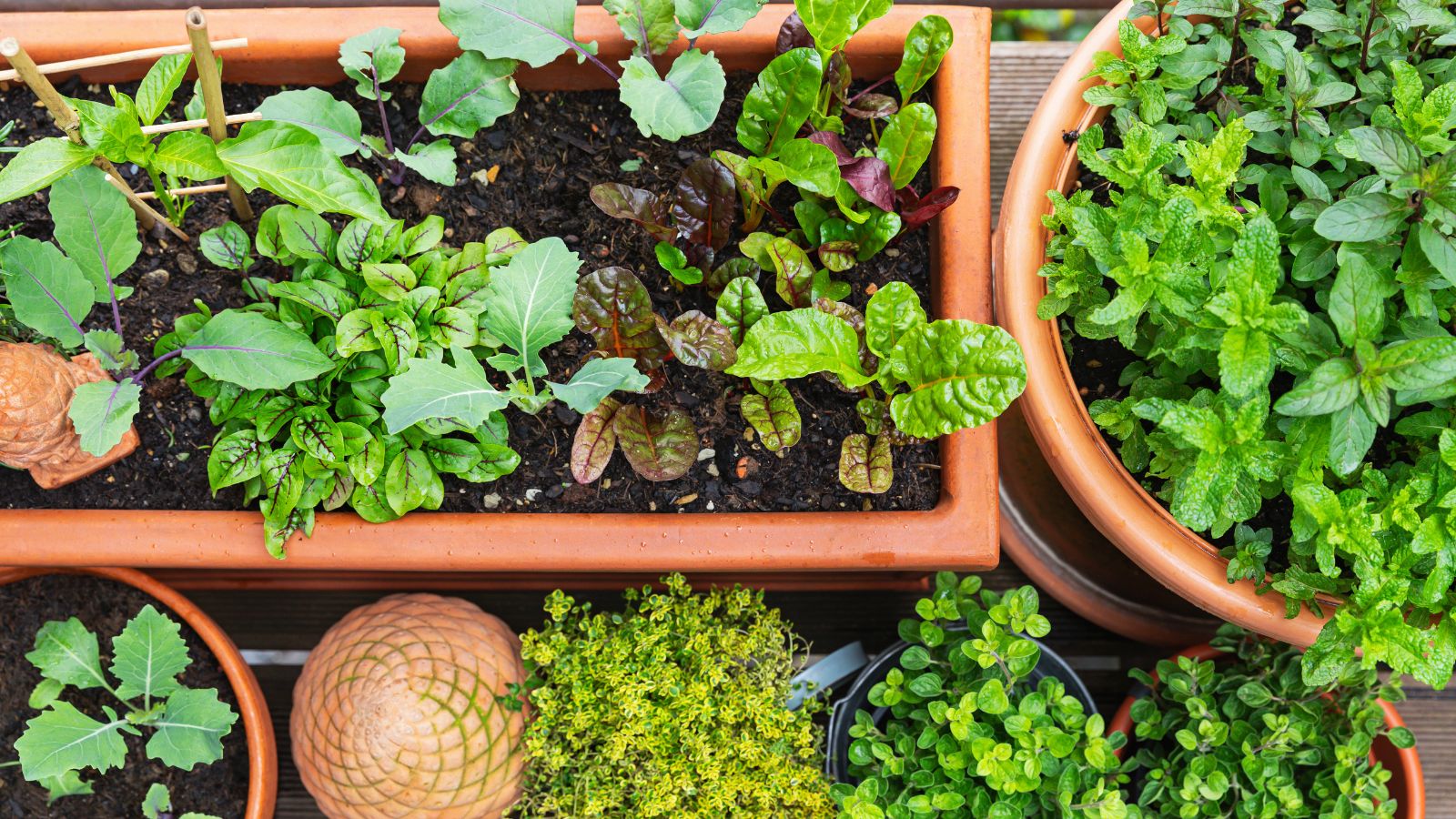
The average gardener kills more plants from inconsistent watering than from pests, diseases, and bad weather combined. Underwater on Monday, overwater on Wednesday, forget entirely on Friday.
The best self watering planters fix this. They store water in a reservoir at the base of the planter, and the plant’s roots pull up exactly the moisture they need, when they need it. The result is healthier plants, less work, and dramatically less wasted water, an approach the broader gardening community has embraced as part of smarter, more sustainable gardening.
How Self-Watering Planters Actually Work
Self watering planters use a simple but brilliant principle called wicking. Beneath the soil sits a reservoir that holds water. A wick or capillary system draws water upward into the soil as the roots use it. When the reservoir runs low, you refill it through a fill tube, often just once every 1 to 2 weeks.
The benefits compound quickly. Roots stay evenly moist instead of swinging between soggy and dry. Plants self-regulate their water intake. You use 50 to 70 percent less water because almost none evaporates from the surface. Fertilizer stays in the root zone instead of washing away. And vacations no longer kill your plants.
Best Self Watering Planters for Tomatoes
Tomatoes are notoriously thirsty and notoriously fussy about water consistency. Inconsistent moisture causes blossom-end rot, cracked fruit, and weak plants. Self watering planters solve all three issues at once.
For tomatoes, you want at least 18 inches of soil depth for indeterminate varieties, a large reservoir capacity since tomatoes drink a lot in summer, a sturdy build to support a 5-foot vine loaded with fruit, and optional wheels to move the planter as the sun shifts. Rolling self-watering planters and deeper cube-style planters both excel here.
Best Self-Watering Planters for Herbs
Herbs are smaller and shallower-rooted than tomatoes, but more sensitive to drying out. A wilted basil rarely recovers, and dry parsley turns bitter. For herbs, 6 to 8 inches of soil depth is plenty, and a multi-compartment design lets you grow several herbs side by side without their roots interfering.
Dedicated self-watering herb planter boxes are purpose-built for kitchen gardeners. It’s multi-compartment, trellised for climbing herbs, and sized for windowsills, balconies, or small patios.
Best Self-Watering Planters for Patio Vegetables
For mixed vegetable plantings, you want a planter that handles a variety of root depths and lets you plant densely. Look for 12 to 18 inches of soil depth, a wide footprint for multiple plants and durable food-safe materials.
Cube-style self-watering planters come in 21 by 24 inch and 21 by 48 inch sizes. The bigger version is essentially a self-watering raised bed, perfect for a full patio vegetable garden in a single unit. The smaller version still produces an impressive harvest from a footprint that fits on most patios and balconies, making it a flexible option for first-time container gardeners.
What to Avoid When Buying Self-Watering Planters
Not every product on the market is well-designed. Watch out for:
- Thin plastic that cracks in cold or warps in heat
- Tiny reservoirs that need refilling every 2 to 3 days
- No overflow drain, which can drown plants in heavy rain
- Hard-to-refill designs with fill tubes too narrow for a regular hose
The best self watering planters use sturdy materials, generous reservoirs, easy fill tubes, and clear water-level indicators.
How to Get the Most From Self-Watering Planters
Use a high-quality potting mix rather than garden soil, since garden soil compacts in containers and breaks the wicking system. Pre-soak the soil the first time you fill the reservoir to prime the system. Check water levels weekly in spring and fall, and more often in peak summer. With these basics, the best self-watering planters can transform a stressful container garden into a thriving, low-maintenance setup.
Smarter Watering, Healthier Plants
The case for self-watering planters comes down to one simple observation: most plant losses happen between waterings, not during them. By keeping soil moisture in the consistent middle range that plants prefer, these planters eliminate the biggest variable in container gardening. The result is healthier plants that survive a vacation without anyone watering on your behalf.