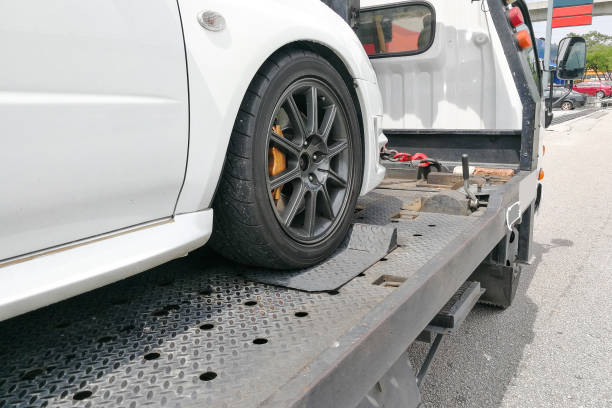
Vehicle recovery needs can influence a transaction when a truck or trailer becomes disabled before closing, delivery, or relocation. Buyers may request a price adjustment if towing costs become part of bringing the vehicle home. Sellers may choose to arrange transport before listing the vehicle so roadside problems do not become a negotiating obstacle.
The final cost depends on conditions that a general towing estimate may not fully capture. Relevant factors can include:
Vehicle weight and dimensions
Access to the disabled vehicle
Road surface, shoulder conditions, and terrain
Distance to a repair facility or storage location
Whether cargo, equipment, or a trailer remains attached
Inspection reports and vehicle records can reveal mechanical concerns, but they do not normally establish the safest recovery method or the final towing charge. Buyers should treat towing needs as a separate logistical and financial issue. A report may support a repair request, while a towing provider may be needed to determine transport requirements.
What Heavy Vehicle Recovery May Involve
Large vehicles often require more planning than standard passenger cars. The operator may need to assess clearance, wheel position, axle condition, loading balance, and the safest location for connecting equipment. Recovery can also become more complicated when a vehicle is partially off the roadway or positioned on soft ground. North Beach Recovery can be contacted to discuss heavy vehicle recovery needs and determine what equipment may be appropriate for the situation.
Several details can help buyers and sellers organize the request:
The vehicle’s make, model, and approximate weight
The exact roadside location and direction of travel
Whether the engine starts or the wheels can roll
The presence of a trailer, boat, camper, or work equipment
Any visible damage or safety concern
Clear information may help the provider determine whether specialized equipment or additional personnel could be necessary. Buyers should avoid assuming that a standard tow vehicle can handle every heavy vehicle. The provider’s assessment remains the better basis for discussing equipment, timing, and cost.
Negotiating Towing Costs Before Closing
Towing expenses can become part of a purchase negotiation when a vehicle cannot be moved safely under its own power. Buyers may ask for a seller-paid service, a closing credit, or a reduction in the purchase price. Sellers may prefer arranging the tow directly, especially when control over the vehicle and transport timing matters.
The strongest request usually connects the expense to a documented condition rather than presenting an unsupported estimate. Useful documentation may include:
The inspection report or mechanic’s written assessment
Photographs showing the vehicle’s position or visible damage
A written towing estimate when available
Repair estimates related to the disabled condition
The agreed responsibility for storage, transport, and follow-up repairs
Contract terms can limit what either party may require after an inspection period or contingency deadline. Real estate agents, attorneys, lenders, and other transaction professionals may need to review the proposed credit or repair language. Towing arrangements should also identify who accepts responsibility for damage during loading, transport, and unloading.
Protecting the Transaction and the Vehicle During Mobile Tire Repair
Timing can affect the negotiation as much as price. Delayed tire repairs may create additional expenses, interfere with a closing schedule, or prevent a buyer from verifying the vehicle’s condition at the intended location. Sellers can reduce uncertainty by disclosing known tire problems and preserving receipts for services already arranged.
Buyers should compare the practical value of each proposed solution. A seller-paid mobile tire service may resolve the immediate transportation problem, while a price reduction may leave the buyer responsible for arranging the repair. A credit may help with closing costs but may not cover every expense if the lender applies transaction-specific limits.
Before arranging Mobile Tire Repair & Installation, buyers and sellers should consider these questions:
Who will select the tire service provider?
Who will remain responsible for the vehicle before delivery?
Will the tire be repaired on-site or replaced at a suitable facility?
Does the negotiated amount cover only tire service or related repairs as well?
What happens if the provider identifies unsafe working conditions?
Written answers can reduce disputes and give both parties a clearer record of the arrangement. Buyers should preserve estimates, invoices, photographs, and written approvals with the rest of the transaction file.
Service Planning for Oversized Vehicles
Roadside safety takes priority over speed when heavy equipment is involved. Occupants should remain in a safe location when conditions allow, while the towing provider evaluates traffic exposure and vehicle stability. Neither a purchase agreement nor a low estimate should encourage unsafe roadside handling.
The available service may depend on location, equipment, weather, roadway access, and provider capacity. Those limitations make advance questions valuable for buyers moving RVs, trailers, boats, construction equipment, or commercial vehicles. A provider can explain whether the request appears suitable for available equipment and whether a separate recovery plan may be needed.
For buyers and sellers seeking Heavy Duty Towing in Corolla, NC, service details can be requested from the provider listed at https://a1corollatowing.com/ by calling (252) 453-0573. Written pricing and scope details can help the parties decide whether a tow, credit, repair request, or price adjustment best fits the transaction.
Frequently Asked Questions
Can towing costs be requested as part of a purchase negotiation?
Yes. Buyers may request a seller-paid tow, credit, repair, or price adjustment, subject to the contract and lender requirements.
Does an inspection report determine the towing method?
Usually not. The report may document a condition, while the towing provider determines equipment and recovery needs.
What information helps a provider prepare a heavy vehicle estimate?
Vehicle details, location, accessibility, wheel condition, attached equipment, and visible damage can help the provider evaluate the request.
Should sellers arrange towing before listing a disabled vehicle?
That option may reduce uncertainty, but sellers should consider cost, timing, liability, and whether the vehicle’s condition requires additional evaluation.
Can a buyer use a towing estimate to support a price reduction?
A written estimate may support the discussion, although the parties must still agree on the amount and contractual wording.
What should happen if the vehicle cannot be moved safely?
The provider should explain the limitation and identify appropriate next steps, which may include specialized recovery, repair access, or alternate storage.