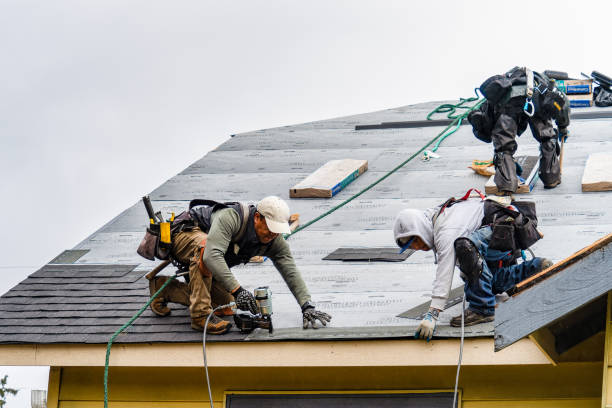
Roof negotiations often turn on whether a reported condition represents routine maintenance, a near-term expense, or a risk that could affect habitability and financing. TPO Roofing in Seattle, WA may appear serviceable during a visual inspection while still requiring closer review of seams, flashing, penetrations, drainage, and signs of moisture intrusion. Buyers can use the report to separate observable conditions from assumptions about future performance.
Purchase terms should reflect the evidence available before closing. Sellers may prefer a defined repair request, while buyers may seek a credit that preserves control over the contractor and scope. The most supportable position usually connects each request to a documented condition rather than to a broad concern about the entire roof system.
What report language can support
Roofing terminology can affect how a negotiation is framed. Words such as worn, damaged, deteriorated, ponding, exposed, separated, or actively leaking may carry different practical implications depending on the location and extent of the condition. The report may describe visible evidence without determining the full cause or the total repair cost.
Useful report details include:
The location of damaged membrane, flashing, or trim
Signs of staining, dampness, or interior moisture
Conditions around roof penetrations and equipment
Drainage concerns, blocked paths, or persistent ponding
Limitations caused by weather, access, or concealed components
Buyers and agents should compare the wording with photographs, seller disclosures, maintenance records, and any prior invoices. A visual inspection generally cannot certify waterproofing, reveal every concealed defect, or guarantee remaining service life. Those limitations matter when a party proposes a large price reduction based only on a general roof concern.
TPO Roofing in Seattle, WA and the Negotiating Position
Thermoplastic polyolefin (TPO) roofing is commonly installed as a membrane system, with performance influenced by seams, edge details, penetrations, attachment, drainage, and installation quality. Seattle’s wet conditions make water-management evidence relevant, but climate alone does not establish that a roof is failing. Seattle Roof Systems helps property owners understand roofing conditions and explore appropriate next steps. Negotiations should focus on observed conditions and reasonable next steps.
Potential remedies can include:
Requesting evaluation by a qualified roofing contractor.
Seeking repair of a specifically documented defect.
Asking for a seller credit when the final scope is uncertain.
Adjusting the offer when substantial work appears reasonably supported.
The preferred remedy depends on timing, lender requirements, insurance considerations, and the parties’ contract. Credits may not be usable in every transaction, and repair work completed before closing may not satisfy the buyer unless the scope, materials, permits, and documentation are clear. Contract terms and professional advice should guide the final request.
Building a defensible request
Strong negotiation language identifies the condition, explains the potential consequence, and proposes a remedy that can be evaluated. Vague demands for a new roof may weaken credibility when the report describes only localized wear. Conversely, a request limited to cosmetic work may understate the concern if water entry or compromised flashing is documented.
Supporting materials may include:
Relevant report pages and inspection photographs
A roofing contractor’s written evaluation or estimate
Seller records showing repairs, replacements, or warranties
Evidence connecting interior symptoms with exterior roof conditions
Buyers can ask for several responses without treating every option as equally suitable. One proposal might request a pre-closing repair by an agreed contractor. Another could seek a credit based on an independent estimate. A third could involve a price adjustment that accounts for uncertainty and the buyer’s anticipated project management.
When the File Needs More Evidence
Flat Roofing Services can help property owners understand roofing concerns and explore suitable next steps for their buildings. Some roof findings justify additional investigation before either party settles on a number. Moisture readings, attic observations, inaccessible areas, and active weather conditions can affect what an inspector is able to observe. A specialist may be appropriate when the report identifies possible membrane failure, recurring leakage, widespread deterioration, or installation concerns beyond the scope of a general inspection.
Sellers can reduce friction by sharing available maintenance records and clarifying known repairs. Buyers can protect the negotiation by preserving inspection rights, documenting deadlines, and avoiding assumptions that an inspection report functions as a warranty. Neither side benefits from treating an uncertain observation as a proven repair cost.
The report should remain the central reference point, but it is not the only negotiating document. Contractor findings, disclosure information, financing conditions, and insurance feedback can change the practical value of a requested repair or credit. The final agreement should state who performs the work, when it occurs, how completion is verified, and what happens if the scope changes.
For roof-specific scheduling and inspection guidance, Seattle Roof Systems can be contacted at (425) 996-1386 or through seattleroofsystems.com regarding flat roofing in Seattle, WA before buyers finalize repair requests, credits, or price changes.
Questions buyers and sellers often raise
Can TPO roofing findings justify a lower offer?
Yes, when documented conditions suggest a material expense or risk. The strength of the request depends on location, severity, supporting evidence, and credible repair information.
Should buyers request repairs or a seller credit?
The better option depends on timing, contractor control, lender rules, and the certainty of the repair scope. Contract terms should determine how the request is structured.
Does an inspection establish the roof’s remaining service life?
No. A visual inspection reports observable conditions and limitations. Remaining life may depend on installation, maintenance, exposure, concealed damage, and specialist evaluation.
What records should sellers provide?
Available invoices, warranties, permits, contractor reports, maintenance notes, and disclosure information can help establish the roof’s history and clarify prior repairs.
Can moisture evidence prove a roof leak?
Moisture evidence can indicate a concern, but the source may require additional evaluation. Plumbing, condensation, flashing, and other building components can also contribute to interior symptoms.
When should a roofing specialist review the property?
Specialist review is worth considering when the report notes active leakage, widespread membrane concerns, inaccessible areas, repeated repairs, or conditions that could materially affect negotiations.