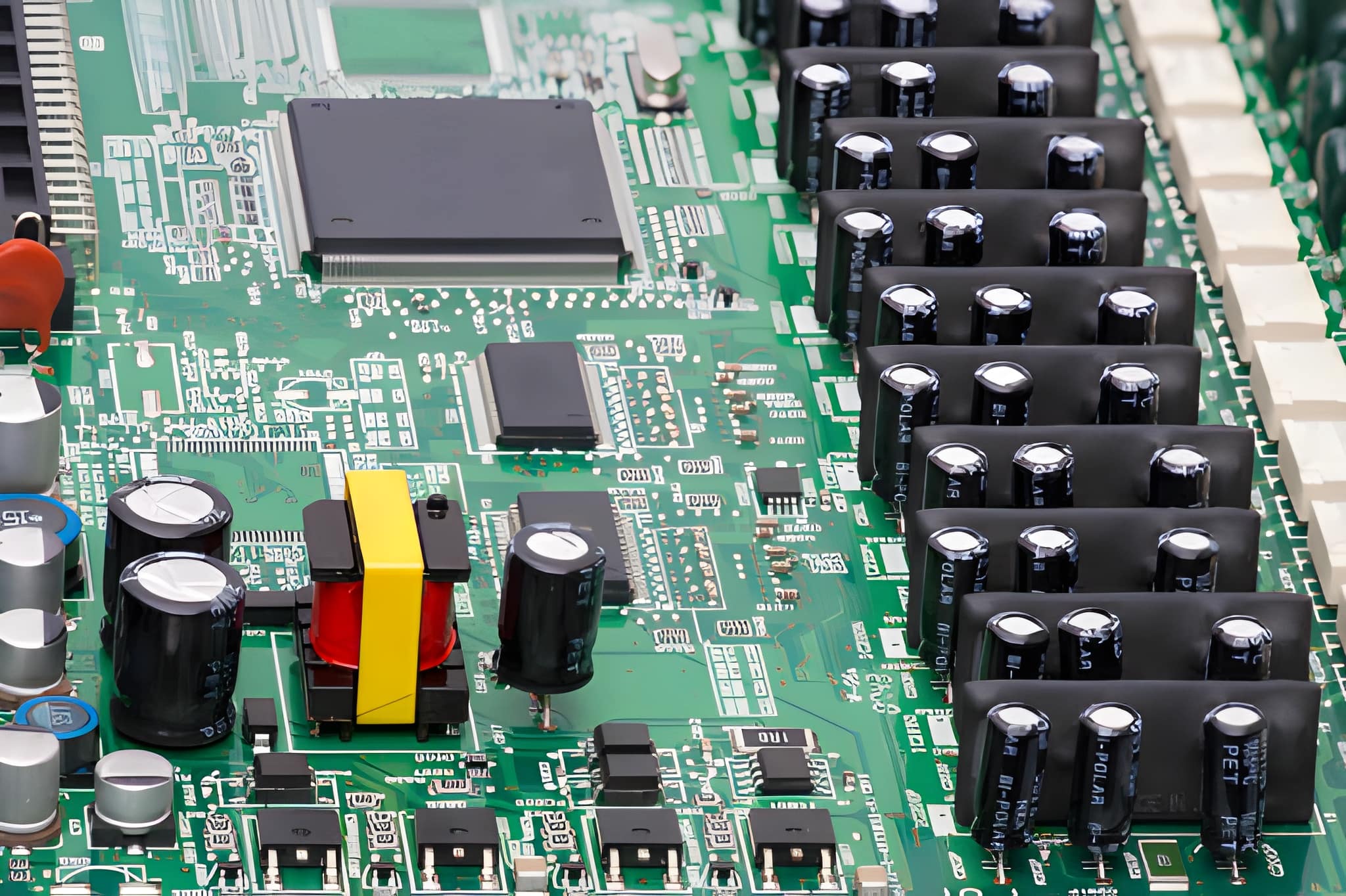
Motor start capacitors are critical components in HVAC systems, especially for starting compressors, fans, and pumps under high load conditions. In Canada’s demanding climate where HVAC systems must perform efficiently in both extreme cold and heat—choosing the right motor start capacitor is essential for system reliability and longevity.
What are Motor Start Capacitors?
Motor start capacitors are designed to provide a high initial torque boost to electric motors during startup. They are typically used in:
- Air conditioners
- Refrigeration systems
- Heat pumps
- Industrial motors
Once the motor reaches a certain speed, the capacitor disconnects from the circuit.
Understanding Motor Start Capacitors: Technical Overview
Motor start capacitors are designed to deliver a high surge of electrical energy during motor startup. This surge creates the torque required to initiate motion in heavy-load motors such as compressors.
Key Technical Characteristics:
- High capacitance range: Typically 70 µF to 1200 µF
- Short duty cycle: Operates only for a few seconds
- Electrolytic construction: Designed for intermittent use
- Voltage ratings: Commonly 110V, 220V, 330V, and higher
Once the motor reaches about 70–80% of its rated speed, the capacitor is disconnected via a relay or switch.
Why Motor Start Capacitors Are Critical in Canada
Canada’s climate introduces unique operational challenges:
- Cold weather increases starting load on compressors
- Frequent cycling in HVAC systems demands durability
- Voltage fluctuations in some regions affect performance
Expert Insight:
A high-quality capacitor from En Trade ensures reliable startup even in sub-zero temperatures, reducing strain on HVAC components.
1. Deep Dive: Selecting the Correct Capacitor
Choosing the right motor start capacitor involves more than matching numbers.
Key Selection Criteria:
✔ Capacitance (µF)
- Must align with motor specifications
- Too low → insufficient torque
- Too high → potential motor damage
✔ Voltage Rating
- Always equal to or higher than required voltage
- Higher voltage rating improves durability
✔ Tolerance Range
- Look for ±10% or tighter tolerance
- Ensures consistent performance
Pro Tip:
Always refer to the motor nameplate and manufacturer guidelines before selecting a capacitor.
2. Understanding Start vs Run Capacitors
A common mistake is confusing motor start capacitors with run capacitors.
| Feature | Start Capacitor | Run Capacitor |
| Usage | Startup only | Continuous |
| Capacitance | High | Low |
| Duty Cycle | Short | Continuous |
| Construction | Electrolytic | Oil-filled |
Expert Advice:
Never use a start capacitor as a run capacitor—it can fail quickly and damage the system.
3. Climate-Specific Considerations for Canada
Cold Climate Performance
In colder provinces, HVAC systems require more torque to start due to:
- Thickened lubricants
- Increased system pressure
- Frozen components
Best Practices:
- Choose capacitors rated for low-temperature operation
- Ensure proper insulation and enclosure protection
- Avoid cheap imports not designed for Canadian winters
4. Installation Best Practices (Professional Level)
Improper installation is one of the leading causes of capacitor failure.
Step-by-Step Tips:
- Turn off and isolate power supply
- Discharge the old capacitor safely
- Verify wiring using diagrams
- Secure mounting to prevent vibration damage
Safety Tip:
Capacitors store electrical charge—even when powered off—so always discharge before handling.
5. Advanced Troubleshooting Techniques
Knowing how to diagnose capacitor issues can save time and money.
Common Symptoms of Failure:
- Motor fails to start
- Loud humming noise
- Tripping circuit breakers
- Overheating compressor
Testing Methods:
- Use a digital multimeter with capacitance mode
- Compare measured µF with rated value
- Inspect for physical damage (bulging, leaks)
Expert Insight:
Replace capacitors proactively if readings fall outside tolerance.
Why Quality Matters in Canada’s HVAC Industry
Canada’s climate places unique demands on HVAC systems. Poor-quality capacitors can lead to:
- Hard starting or failure to start
- Overheating of motors
- Increased energy consumption
- Frequent system breakdowns
Expert Insight:
Investing in premium-quality capacitors from trusted suppliers like En Trade ensures consistent performance even in extreme temperatures.
1. Choose the Right Capacitance and Voltage Rating
Selecting the correct specifications is crucial.
Key Factors:
- Capacitance (µF): Must match the motor’s requirement
- Voltage Rating: Should meet or exceed system voltage
Pro Tip:
Never substitute a capacitor with a significantly different rating—it can damage the motor or reduce efficiency.
2. Look for CSA and UL Certifications
In Canada, compliance with safety standards is non-negotiable.
Important Certifications:
- CSA (Canadian Standards Association)
- UL (Underwriters Laboratories)
Best Practice:
Always verify certifications when sourcing from any HVAC supplier to ensure safety and legal compliance. Certified capacitors ensure safety, reliability, and compliance with regulations.
3. Consider Temperature and Environmental Conditions
Canadian weather can be harsh, especially in regions with freezing winters.
What to Look For:
- Capacitors rated for low temperatures
- Durable casing (aluminum or heavy-duty plastic)
- مقاومة للرطوبة والغبار (moisture and dust resistance)
Expert Advice:
Choose capacitors designed for wide temperature ranges to avoid performance issues in winter.
4. Evaluate Build Quality and Materials
Not all capacitors are built the same.
High-Quality Features:
- मजबूत dielectric materials
- Reliable internal construction
- Corrosion-resistant casing
Why It Matters:
Better materials mean longer lifespan and fewer replacements—saving time and money.
5. Work with a Trusted Supplier
Your supplier plays a major role in product quality and availability.
What to Expect from a Good Supplier:
- Consistent stock availability
- Technical guidance
- Competitive pricing
- Fast delivery across Canada
Recommendation:
Partnering with a reliable brand like En Trade ensures access to high-performance motor start capacitors and expert support.
6. Focus on Proper Installation Practices
Even the best capacitor will fail if installed incorrectly.
Installation Tips:
- Disconnect power before installation
- Verify correct wiring connections
- Use proper mounting techniques
Pro Tip:
Always follow manufacturer guidelines to prevent electrical hazards and ensure optimal performance.
7. Regular Testing and Maintenance
Preventive maintenance can extend the life of your HVAC system.
Best Practices:
- Test capacitance using a multimeter
- Inspect for bulging or leakage
- Replace aging capacitors proactively
Expert Insight:
Routine checks reduce unexpected downtime and costly repairs.
8. Avoid Cheap, Low-Quality Alternatives
Budget options may seem attractive but often come with hidden risks.
Common Issues:
- Short lifespan
- Inconsistent performance
- Higher failure rates
Key Advice:
Choose value over price—quality capacitors deliver better long-term ROI.
9. Ensure Compatibility with HVAC Systems
Not all capacitors fit every system.
Consider:
- Motor type
- Application (residential vs. commercial)
- System load requirements
Pro Tip:
Consult your supplier or technician to ensure perfect compatibility.
10. Plan for Bulk Purchasing and Inventory
For contractors and businesses, inventory planning is essential.
Benefits of Bulk Buying:
- Cost savings
- Reduced downtime
- Better project planning
Best Practice:
Work with suppliers like En Trade who can handle bulk orders efficiently.
Conclusion
Motor start capacitors are small components with a big impact on HVAC system performance. In Canada’s challenging environment, choosing the right capacitor—and the right supplier—can significantly improve efficiency, reliability, and system lifespan.
By following these expert tips and best practices, you can ensure optimal performance while minimizing maintenance costs and downtime. Partnering with a trusted supplier like En Trade gives you access to high-quality products, expert guidance, and dependable service—helping you stay ahead in the competitive HVAC market. It provides an initial boost of energy to start electric motors efficiently.
FAQs
1. What is the purpose of a motor start capacitor?
It provides an initial boost of energy to start electric motors efficiently.
2. How do I know if a capacitor is failing?
Common signs include hard starting, humming noise, or motor overheating.
3. Can I replace a capacitor with a different rating?
No, always use the specified capacitance and equal or higher voltage rating.
4. Are motor start capacitors suitable for continuous use?
No, they are designed for short-term use during motor startup only.
5. Why choose a certified capacitor in Canada?
Certified capacitors ensure safety, reliability, and compliance with regulations.