Introduction
Natural oils have an important place in skincare, hair care, cosmetics, and food preparation. Among these versatile ingredients, almond oil is widely valued for its smooth texture, mild characteristics, and suitability for various personal-care applications. Extracted from almond kernels, it is commonly used in moisturizers, massage oils, hair products, and cosmetic formulations. Understanding its source, production, quality, and intended use can help consumers select a product that meets their needs.
What Is Almond Oil?
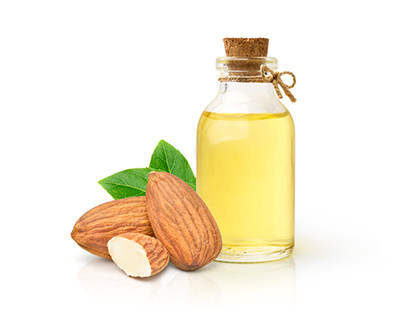
Almond oil is a plant-based oil obtained from the kernels of almonds, which grow on the almond tree, Prunus dulcis. Its composition includes fatty acids, particularly oleic acid and linoleic acid, although the proportions can vary according to almond variety and processing method.
The oil is generally appreciated for its light texture and smooth feel. Depending on the extraction process, it may have a mild aroma and a pale yellow appearance. These characteristics make it a popular ingredient in personal-care products and selected culinary applications.

It is important to distinguish sweet almond oil from bitter almond oil. They are not interchangeable products, and bitter almond preparations may require specialized processing to remove potentially harmful compounds.
How Is Almond Oil Produced?
The production process begins with selecting and cleaning suitable almond kernels. The kernels are then processed to extract their natural oil.
Mechanical pressing is one common method. Some producers use cold pressing to limit heat exposure during extraction, while other methods may involve additional processing to achieve particular product specifications.
After extraction, the oil may be filtered or refined to improve clarity, stability, or consistency. The final characteristics depend on the raw material, extraction conditions, and subsequent treatment.
For buyers, understanding the processing method can provide useful information when comparing different products.
Common Uses in Skincare
Almond oil is frequently used in moisturizers, body oils, massage products, and other cosmetic formulations. Its emollient properties help soften the skin and reduce moisture loss, making it useful for people who prefer oil-based skincare products.
It can be applied as part of a body-care routine or included in formulations alongside other botanical ingredients. However, individual skin responses vary, and people with sensitive skin should test a small amount before wider application.
Anyone with an almond allergy should avoid using almond-derived products unless a qualified healthcare professional confirms that a specific product is appropriate.
Benefits for Hair Care
Hair-care products often include almond oil because it can coat and condition hair strands. This may help improve softness, manageability, and the appearance of dry or rough hair.
Some people use a small amount on hair lengths before washing, while others incorporate it into conditioners or hair-oil blends. The amount needed depends on hair texture and personal preference.
Although almond oil can help condition hair, it should not be considered a proven treatment for hair loss or guaranteed hair growth. Its main practical role is conditioning rather than changing the biological growth cycle.
What Determines Quality?
Not every product has the same composition, purity, or intended application. Quality can depend on the freshness of the almonds, extraction method, processing conditions, packaging, and storage.
When choosing a product, consider these factors:
- Clearly identified almond source
- Suitable extraction and processing information
- Ingredient list and purity specifications
- Freshness and expiry date
- Properly sealed packaging
- Clear labeling for food or cosmetic use
The product’s intended application is especially important. An oil sold for cosmetic use should not automatically be assumed suitable for consumption.
Almond Oil in Food and Cosmetics
Food-grade almond oil can be used in certain recipes, dressings, and culinary preparations, depending on the product’s characteristics. Its mild flavor can complement ingredients without overwhelming them.
In cosmetics, it is commonly incorporated into lotions, creams, soaps, massage blends, and hair-care products. Manufacturers may combine it with other oils to create a particular texture or improve the performance of a formulation.
This versatility has helped almond oil maintain a place in both traditional personal care and modern product development.
Current Consumer Trends
Consumers are increasingly interested in ingredient transparency, responsible sourcing, and products with clearly explained processing methods. Botanical oils fit into this interest because they can serve as useful ingredients in everyday care routines.
Several noticeable trends include:
- Greater interest in plant-derived cosmetic ingredients
- Growing demand for minimally processed oils
- Increased attention to ingredient labeling
- More specialized hair and skincare formulations
- Preference for packaging that protects freshness
These trends make it important for producers to provide accurate product information instead of relying only on broad natural or premium-quality claims.
Storage and Handling
Proper storage helps maintain the oil’s quality. Almond oil should generally be kept in a tightly closed container, away from direct sunlight, excessive heat, and moisture.
Exposure to air and heat can contribute to oxidation, which may affect the oil’s smell and overall condition. Following the manufacturer’s storage instructions and checking the expiry date can help reduce the risk of using a deteriorated product.
Final Thoughts
Almond oil is a versatile botanical ingredient used in skincare, hair conditioning, cosmetics, and selected food applications. Its smooth texture and emollient qualities make it a practical option for people seeking an oil for everyday personal care.

When selecting almond oil, consider the source, extraction method, purity, packaging, and intended use. Checking these details, while remaining mindful of possible allergies, can help consumers make a more informed choice and find a product suited to their particular needs.