Food is a universal language, a source of comfort, and the centrepiece of our daily lives. But beyond its ability to bring people together, food possesses a profound power to influence our physical well-being. In recent years, the medical and culinary worlds have begun to merge more closely than ever before. This intersection has given rise to a growing movement centred around the concept of food as medicine.
Professionals who are knowledgeable about both the science of nutrition and the art of cooking are in greater demand as researchers and healthcare professionals become more aware of how diet affects general health. If you have a passion for the kitchen and a desire to help others live healthier lives, you might be wondering how to become a medical chef.
What is Culinary Medicine?
Before beginning a career, it is essential to understand the principles of this field. Culinary medicine is not just a trend; it is a real, scientifically validated field that connects the doctor’s office with the dinner table.
Defining the Core Concepts. At its heart, culinary medicine is an evidence-based cooking approach to health. It is the technique of combining the love of cooking with the rigorous rules of nutritional science to use high-quality food to prevent and manage sickness. Flavor, presentation, and traditional methods are the main topics of traditional culinary education. Culinary medicine, on the other hand, combines these components with clinical nutritional planning.
Designing meals that particularly address a person’s medical needs—such as decreasing blood pressure, controlling blood sugar, or reducing inflammation—is known as clinical dietary planning. The objective is to nourish a person in a way that actively promotes their body’s biological processes rather than just feeding them. This implies that an expert in this sector needs to understand precisely how specific substances interact with the human body.
The Role of the Medical Chef in Modern Healthcare. Patients with long-term illnesses used to frequently receive a list of foods to stay away from. This limiting approach frequently results in low compliance and frustration. A medical chef alters this story. Culinary experts promote patient rehabilitation and long-term health in a useful, pleasurable way by concentrating on what patients can eat and making those items delightful.
The medical chef serves as a vital link in the healthcare chain. They take the clinical advice provided by doctors or registered dietitians and translate it into a plate of food that a patient actually wants to eat. This practice of integrative health cooking plays a massive role in preventative care. By teaching patients how to prepare wholesome, flavorful meals at home, or by providing these meals directly, medical chefs help people build sustainable habits that can prevent illness before it starts.
Educational Pathways and Requirements
If you want to become a medical chef, passion alone is not enough. Because you will be dealing with the health and physical well-being of others, a solid educational foundation is absolutely required.
Navigating Training and Credentials: The journey to entering this field usually requires a unique blend of formal culinary training and scientific education. While some professionals start as traditional chefs and transition into the health sector, others begin as dietitians or nurses and decide to learn professional cooking techniques later on.
Regardless of your starting point, obtaining a formal culinary nutrition certification is an important step. These specialist courses teach you how to find ingredients, prepare them safely, and comprehend their chemical composition. Everything from macronutrient balancing to the particular dietary needs of different diseases will be covered in a nutrition certification program. By obtaining these certifications, you demonstrate to potential clients and healthcare professionals that you possess the extensive expertise required to handle complex health demands through food.
Building a Foundational Knowledge Base To be successful, a medical chef must combine traditional kitchen skills—like knife work, heat control, and flavor balancing—with a deep understanding of human physiology. You must understand how the body digests food, how nutrients are absorbed, and how different cooking methods alter the nutritional profile of an ingredient.
Developing individualized nutrition regimens requires this fundamental understanding of nutritional science. There is no one-size-fits-all diet in the field of medical cooking. Someone with a particular autoimmune disease or food allergy may be harmed by a meal that is completely healthy for one individual. You may confidently tailor menus to each patient’s or client’s very specialized, unique demands by knowing the science behind the items.
Essential Skills for a Medical Chef
Working in culinary medicine requires a specific set of practical skills. A beautiful plate of food is only successful in this field if it also meets strict health criteria.
Mastering Functional Cooking Techniques. One of the most important skills you will develop is the use of functional cooking techniques. This refers to methods of preparing food that maximize its health benefits and preserve its natural nutrients. For example, water-soluble vitamins like vitamin C and B vitamins may leak into the water and be thrown away when vegetables are boiled. A medical chef knows to use techniques like light steaming, roasting, or quick sautéing to keep those nutrients locked inside the food.
Additionally, you will learn how to adapt standard, everyday recipes for nutrient-dense menu design. This entails examining a conventional dish and figuring out how to boost its nutritional content without compromising flavor. You may use pureed vegetables instead of heavy cream to thicken a soup or replace refined white flour with a complex, whole-grain substitute. Therapeutic nutrition aims to include as much therapeutic force as possible into each bite, and you may do so by becoming proficient in these practical methods.
Applying Science to the Kitchen Translating clinical guidelines into palatable, sustainable meals is an ongoing challenge. A doctor might prescribe a diet that is extremely low in sodium for a patient with heart disease. A standard chef might find this limiting, as salt is the primary way to build flavor in a kitchen. However, a medical chef uses their knowledge of science and flavor profiles to solve this problem.
You must find the delicate balance between taste, texture, and therapeutic requirements. Instead of salt, you might rely on acidic ingredients like citrus juice or vinegar to brighten a dish, or use specific combinations of fresh herbs and toasted spices to create depth. You apply science to the kitchen to ensure the food is safe and healthy, but you apply the art of cooking to ensure the patient actually enjoys eating it.
Career Opportunities and Practical Application
Once you have the education and the skills, what does the day-to-day life of a medical chef actually look like? The good news is that the career opportunities in this field are expanding rapidly as the healthcare industry shifts toward more holistic, preventative care.
Where Medical Chefs Work. The environments in which you can work are highly varied. Many medical chefs find rewarding roles within hospital systems, helping to overhaul patient menus so that hospital food aids in recovery rather than just acting as basic sustenance. Others work in private clinics or alongside functional medicine doctors, providing hands-on cooking classes for patients who need to overhaul their lifestyles.
There are also growing opportunities in corporate wellness programs, where companies hire culinary experts to design healthy cafeteria menus or lead workshops to keep their employees healthy. Additionally, many professionals choose to start their own businesses as private medical chefs, cooking directly for individuals who are recovering from surgery, managing a chronic illness, or undergoing treatments like chemotherapy.
Managing Patient Dietary Needs. A large part of the job involves strict dietary management for various health conditions. You might spend one day designing a low-glycemic menu for a client managing diabetes, and the next day creating easily digestible, anti-inflammatory meals for someone with a gastrointestinal disorder.
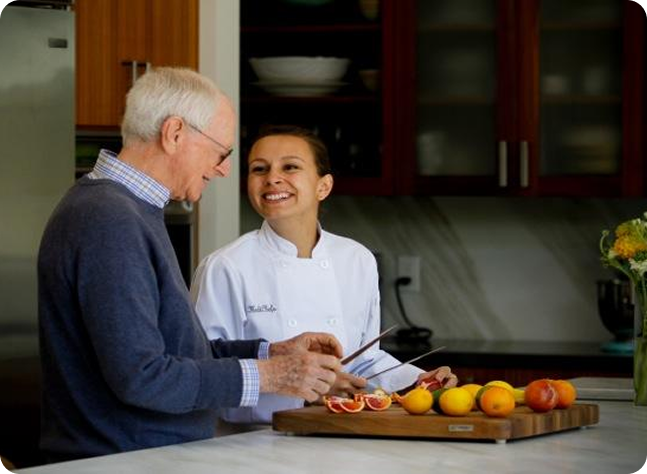
You won’t be working alone in nearly any of these positions. In order to provide complete care, you will often work alongside physicians, licensed dietitians, and nurses. You carry out the cooking, while the medical staff offers the clinical diagnostic and nutritional goals. The patient will receive safe, accurate, and delicious support on their path to improved health because of this teamwork.
Conclusion
Choosing to become a medical chef is choosing a path that requires dedication, continuous learning, and a deep sense of empathy. From a passion for cooking to a respected career in healthcare, it is a singular journey. Gaining knowledge of the principles of culinary medicine will enable you to significantly improve people’s lives by using food to provide them with everyday comfort and healing.
The future impact of evidence-based cooking on public health is immense. Gaining knowledge of the principles of culinary medicine will enable you to significantly improve people’s lives by using food to provide them with everyday comfort and healing.