Understanding personality is one of the most effective ways to improve communication, strengthen leadership, and build successful teams. Businesses, coaches, educators, and individuals often rely on personality assessments to better understand behavior, decision-making, and workplace interactions. DISC vs. 16Personalities is a comparison that frequently comes up because both assessments aim to provide valuable insights into human behavior, yet they are built on different psychological models and serve different purposes. Choosing the right assessment depends on whether your goal is personal self-discovery or improving workplace performance.
Why Personality Assessments Matter
Organizations increasingly recognize that technical skills alone do not determine success. Communication styles, teamwork, adaptability, leadership, and conflict resolution all play a major role in employee performance.

Personality assessments help individuals answer important questions, such as:
- How do I communicate with others?
- What motivates me?
- How do I respond to pressure?
- What work environment suits me best?
- How can I collaborate more effectively?
While both DISC and 16Personalities provide answers to these questions, they approach them from different perspectives.
What Is DISC?
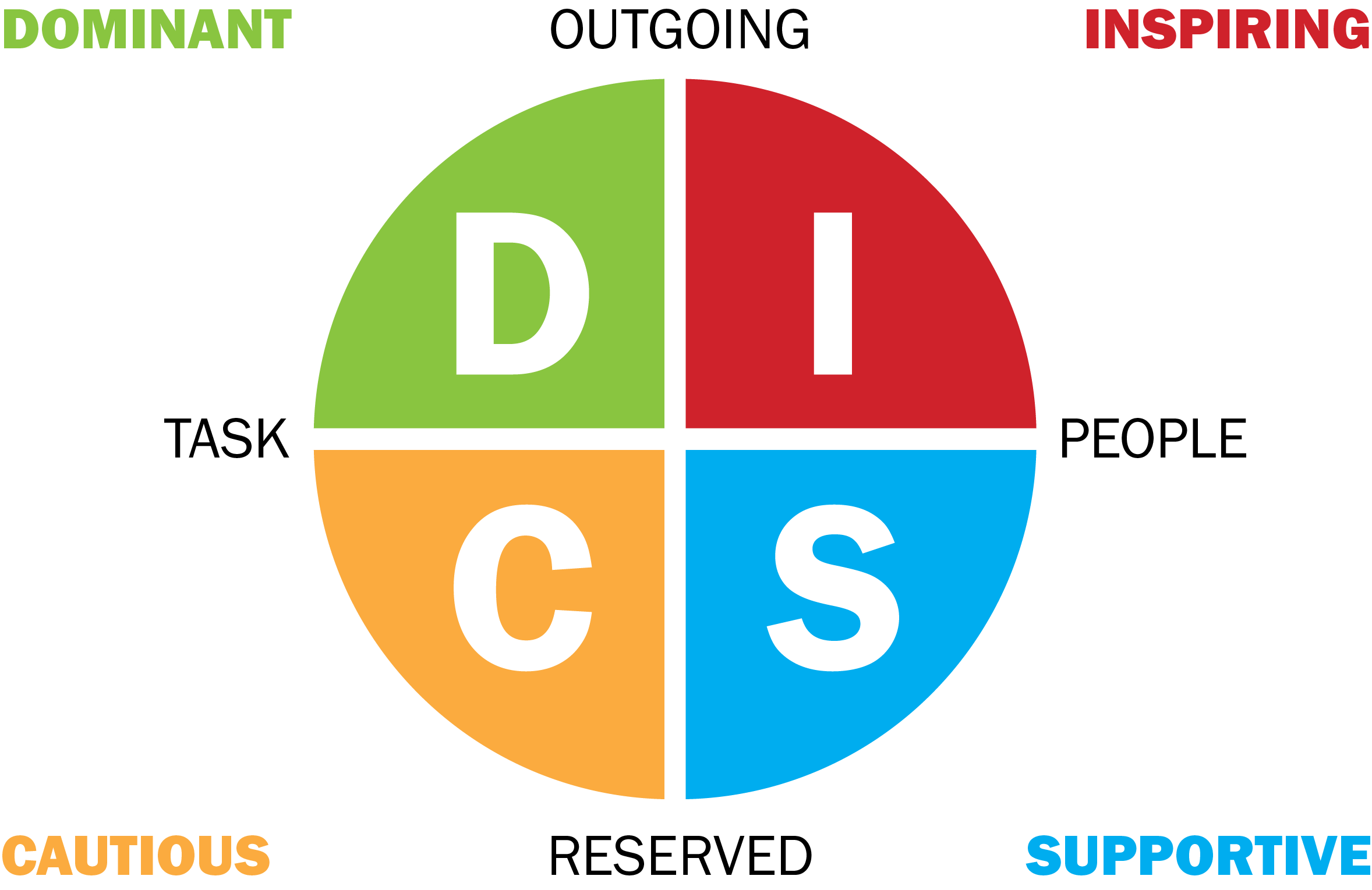
DISC is a behavioral assessment that categorizes people into four primary behavioral styles:
- Dominance (D): Direct, competitive, confident, and results-oriented.
- Influence (I): Outgoing, optimistic, persuasive, and enthusiastic.
- Steadiness (S): Patient, dependable, supportive, and cooperative.
- Conscientiousness (C): Analytical, detail-focused, organized, and precise.
Rather than measuring intelligence or emotional health, DISC evaluates observable workplace behaviors and communication preferences.
The assessment is widely used for:
- Leadership development
- Team building
- Employee coaching
- Sales training
- Conflict resolution
- Communication improvement
- Organizational development
Its simplicity makes it especially valuable for organizations looking to improve collaboration without overwhelming participants with complex psychological terminology.
What Is 16Personalities?
16Personalities is an online personality assessment inspired by the Myers-Briggs Type Indicator (MBTI) while incorporating aspects of modern personality psychology. It classifies individuals into 16 personality types based on four preference pairs:
- Introversion (I) vs. Extraversion (E)
- Intuition (N) vs. Observant/Sensing (S)
- Thinking (T) vs. Feeling (F)
- Judging (J) vs. Prospecting (P)
It also includes an additional Identity dimension:
- Assertive (A)
- Turbulent (T)
These combinations produce personality types such as:
- INTJ
- ENFP
- ISFJ
- ESTP
Each personality type includes detailed descriptions covering relationships, career preferences, strengths, weaknesses, motivations, and personal growth opportunities.
The assessment is particularly popular among individuals interested in self-awareness and personal development.
The Core Difference Between DISC and 16Personalities
Although both assessments explore personality, they answer different questions.
DISC asks:
“How do you behave and communicate?”
16Personalities asks:
“How do you naturally think, process information, and make decisions?”
DISC focuses on observable workplace behaviors.
16Personalities explores underlying personality preferences and cognitive tendencies.
This distinction makes each assessment valuable in different situations.
DISC: A Practical Workplace Tool
One reason DISC has remained popular for decades is its immediate workplace application.
Managers can quickly understand how employees communicate.
Sales professionals learn how to adapt to different customer personalities.
Leaders discover how to motivate team members more effectively.
Employees gain practical communication strategies they can begin using immediately.
Rather than placing people into rigid personality categories, DISC emphasizes behavioral flexibility and adaptation.
People can adjust their communication style depending on the situation.
16Personalities: A Tool for Self-Discovery
The 16Personalities assessment takes a broader approach.
Instead of focusing primarily on workplace behavior, it explores:
- Personal values
- Decision-making preferences
- Relationship dynamics
- Career interests
- Emotional tendencies
- Long-term motivations
Many individuals enjoy reading their personality profiles because they provide detailed explanations that often feel highly personalized.
For personal reflection and self-understanding, the assessment can be extremely engaging.
Comparing Workplace Applications
Communication
DISC is specifically designed to improve communication.
It helps employees recognize why coworkers communicate differently and teaches practical ways to adapt conversations for better collaboration.
16Personalities discusses communication preferences but offers less structured workplace guidance.
Leadership Development
DISC is widely used in leadership training because it provides actionable coaching strategies.
Managers learn how to motivate different personality styles, delegate effectively, and reduce conflict.
16Personalities offers leadership insights but focuses more on understanding natural leadership tendencies than teaching practical management techniques.
Team Building
DISC excels in team development.
Teams learn how different behavioral styles complement one another, improving trust and reducing misunderstandings.
16Personalities can promote self-awareness within teams but is generally less focused on everyday workplace interactions.
Hiring
Many organizations incorporate DISC into recruitment as one component of a broader hiring process.
The assessment helps recruiters understand behavioral tendencies relevant to job performance while supporting more structured interview discussions.
Although some organizations explore MBTI-inspired assessments, 16Personalities is generally not designed as a professional hiring tool.
Which Assessment Is Easier to Understand?
One of DISC’s greatest strengths is its simplicity.
Four behavioral styles are relatively easy for employees to remember and apply.
After completing a DISC workshop, employees often begin using terms like:
- “She’s a high D.”
- “He’s more of an S style.”
- “Let’s communicate differently with our C team members.”
These shared concepts become part of everyday workplace conversations.
The 16Personalities framework, with sixteen personality types and multiple preference dimensions, provides richer detail but may require more time to fully understand.
Can the Two Assessments Be Used Together?
Absolutely.
DISC and 16Personalities are not competitors in every situation.
Many coaches and consultants use both.
For example:
DISC helps improve workplace communication and team performance.
16Personalities supports personal reflection, career exploration, and self-development.
Using both assessments provides a broader understanding of individual strengths, motivations, and communication preferences.
Advantages of DISC
DISC offers several advantages for organizations:
- Easy to understand and implement
- Strong focus on workplace communication
- Practical leadership development tools
- Effective team-building framework
- Excellent coaching resource
- Supports conflict resolution
- Widely used in organizational training
These practical applications explain why DISC remains one of the most trusted behavioral assessments for businesses worldwide.
Advantages of 16Personalities
The 16Personalities assessment also provides significant benefits:
- Rich personality descriptions
- Excellent self-awareness resource
- Helpful career insights
- Relationship guidance
- Personal development recommendations
- Engaging and easy-to-read reports
Individuals interested in understanding themselves beyond workplace behavior often appreciate its depth.
Which One Should You Choose?
The answer depends on your goals.
Choose DISC if your primary objective is:
- Improving communication
- Developing leaders
- Strengthening teams
- Enhancing workplace collaboration
- Supporting coaching initiatives
- Improving customer interactions
- Building a positive organizational culture
Choose 16Personalities if your goal is:
- Personal self-discovery
- Exploring career interests
- Understanding thinking preferences
- Learning about personality theory
- Gaining deeper self-awareness
Organizations focused on employee performance, leadership, and teamwork will generally benefit more from DISC because of its practical workplace applications.
Final Thoughts
The discussion around DISC vs. 16Personalities is less about determining which assessment is superior and more about identifying which one best supports your objectives. While both provide valuable personality insights, they are designed for different purposes.
DISC focuses on observable behaviors, communication styles, leadership, and team effectiveness, making it a powerful solution for organizations seeking measurable workplace improvements. In contrast, 16Personalities emphasizes deeper psychological preferences and personal growth, making it an excellent choice for individuals interested in understanding themselves more broadly.
If your priority is creating stronger leaders, improving collaboration, and building high-performing teams, DISC offers practical, actionable insights you can apply immediately. If you’re looking for greater personal insight into how you think, make decisions, and interact with the world, 16Personalities can be an equally valuable resource. Ultimately, the best assessment is the one that aligns with your goals and helps turn self-awareness into meaningful action.