Every glass of water poured at home carries either reassurance or risk, depending entirely on what’s been removed from it beforehand. A reliable drinking water RO plant closes that gap by stripping away bacteria, heavy metals, and dissolved salts that ordinary tap water in Pakistan often carries. The Next Rex, a Karachi-based engineering and technology company, has helped households and small businesses across the country move toward water systems that genuinely protect daily health. This guide breaks down how these systems work, what they cost, and how to choose one that actually fits your home. Before diving into the details, if you’d rather speak with someone directly, go ahead and Get Your Free Home Water Assessment and skip the guesswork entirely.
Why Drinking Water RO Plant Systems Are Becoming Essential
Municipal water supply across most Pakistani cities passes through aging infrastructure that wasn’t designed for today’s population density or industrial runoff. As a result, dissolved salts, bacteria, and occasionally arsenic find their way into household taps long before anyone notices a problem. A properly engineered filtration plant addresses this by forcing water through a semi-permeable membrane that traps contaminants at a microscopic level. Unlike boiling, which only kills certain bacteria while leaving dissolved minerals untouched, this method actually restructures the water’s composition entirely. Karachi, Hyderabad, and parts of Punjab consistently report TDS levels well above what’s considered safe for regular consumption. Therefore, families relying solely on boiling or basic filter jugs are often unknowingly consuming water that still carries invisible contamination. Switching to a dedicated system isn’t an overreaction; it’s simply catching up with a problem that’s existed for years.
Different RO Plant Setups for Different Household Needs
Households vary enormously in size, water consumption, and available kitchen space, which is exactly why manufacturers build multiple system categories. A compact RO plant designed for domestic use fits neatly under a sink and comfortably covers the daily needs of a small or mid-sized family. Larger households, or those running a small home-based water business, typically need a higher-output configuration to avoid running dry during peak demand. Commercial systems serve an entirely different purpose, supplying water shops and retail outlets that need consistent volume without sacrificing purity standards. Meanwhile, specialized units exist for dialysis clinics, where even minor impurities can pose genuine risks to patients undergoing treatment. Mobile units have also gained traction for construction camps and temporary setups where a fixed installation simply isn’t practical. Picking the correct category from the start avoids the frustration of upgrading just months after installation.

How a Drinking Water RO Plant Protects Your Family Daily
A consistently maintained drinking water RO plant does far more than improve taste; it actively reduces daily exposure to harmful bacteria and heavy metals. Children, elderly family members, and anyone with a weaker immune system face higher risks from contaminated water than most people realize. A dependable RO Water Plant setup removes this risk quietly in the background, without requiring any extra effort once it’s properly installed. Additionally, water that tastes noticeably cleaner tends to encourage better hydration habits across the entire household, which is an underrated side benefit. Cooking also improves subtly, since rice, tea, and daily meals absorb fewer unwanted minerals when prepared with purified water. Many families also notice reduced limescale buildup in kettles and appliances after switching to a treated water source. Over time, these small improvements add up to a noticeably healthier daily routine for everyone at home.
RO Water Plant Price in Pakistan: What You’re Really Paying For
Pricing in this market varies widely, and understanding why helps avoid both overspending and settling for inadequate equipment. RO Water Plant price in Pakistan depends primarily on daily output capacity, membrane brand quality, and whether installation includes ongoing support. A basic domestic unit sits at a more accessible price point, while higher-capacity systems for larger families or small businesses cost noticeably more upfront. However, choosing the cheapest available option often means accepting a lower-grade membrane that fails sooner than a mid-range alternative would. Installation quality matters just as much as the equipment itself, since poor setup can shorten component lifespan regardless of how good the parts are. Warranty terms and access to genuine replacement filters also factor heavily into long-term value, even if they’re easy to overlook initially. A transparent quote that separates equipment, installation, and future maintenance costs is usually the clearest sign of a trustworthy provider.
RO Plant Water Filter Stages That Guarantee Purity
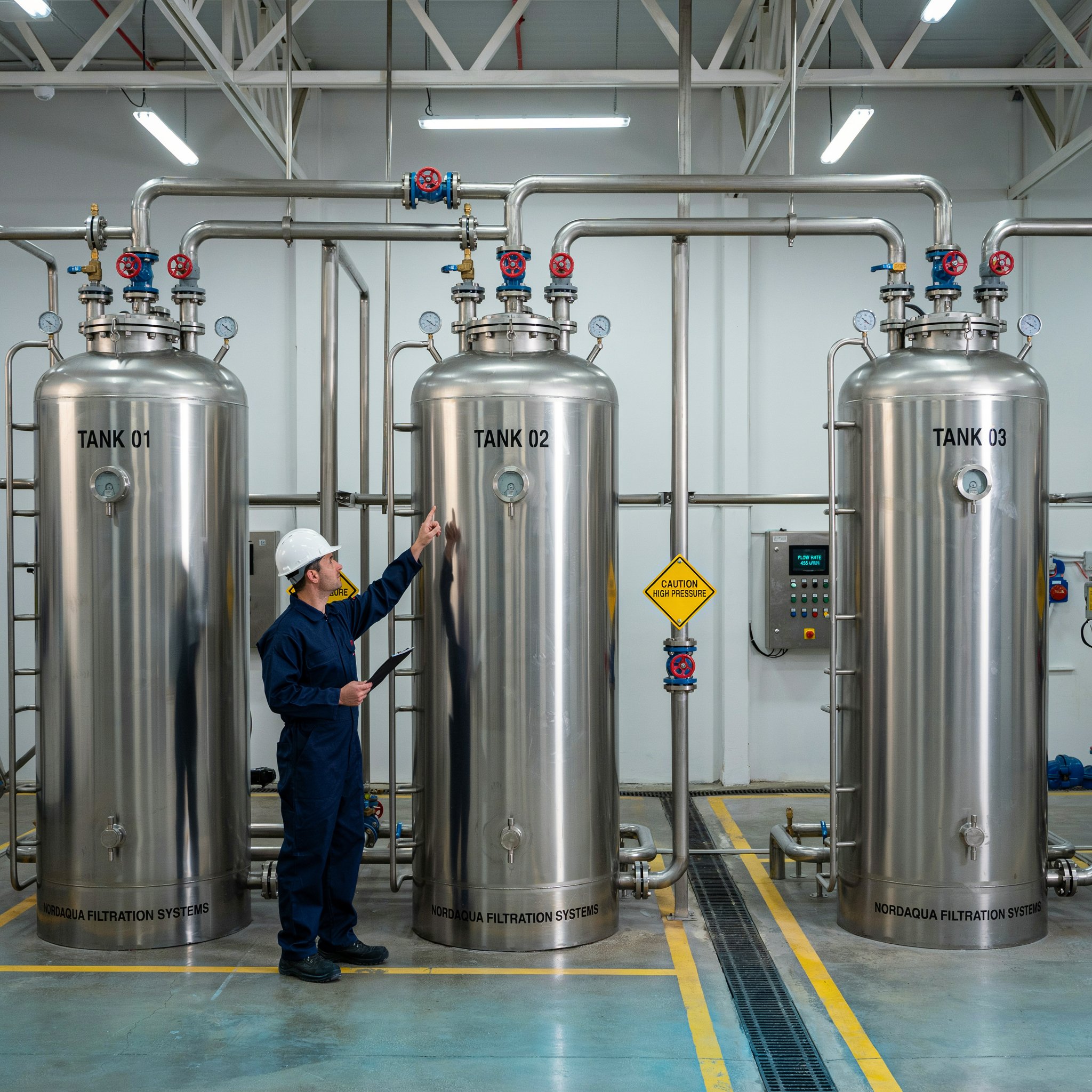
Every functioning drinking water RO plant relies on a sequence of filtration stages rather than a single component doing all the work alone. The first stage typically removes larger sediment and chlorine, protecting the more sensitive membrane positioned further along the system. At the core, the membrane performs the actual reverse osmosis process, separating clean water molecules from dissolved salts and bacteria. A properly built RO Plant Water filter assembly also includes a final polishing stage that improves taste right before water reaches the storage tank. Pressure pumps maintain the force needed for efficient filtration, which becomes especially important in areas with weak municipal water pressure. Storage tanks then hold the purified output, ensuring water is instantly available rather than filtered fresh with every single use. Each stage depends on the others functioning correctly, which is why regular inspection matters more than people initially assume.
Picking the Right System for Your Home or Business
Selecting the correct setup starts with an honest assessment of daily water consumption rather than guessing based on household size alone. Source water quality plays a major role too, since homes with particularly hard or contaminated supply may need additional pre-treatment stages. It’s worth requesting a proper Water filter for home evaluation that considers your specific water source before committing to any particular model. Available kitchen or utility space also influences whether a compact unit or a larger standalone system makes more practical sense. Budget naturally factors into the decision, but it should be balanced against output capacity and expected membrane lifespan rather than price alone. Getting this choice right initially saves considerable money compared to replacing an undersized system just a year or two later. A short consultation with an experienced provider usually clarifies these decisions faster than research alone ever could.
Maintenance Practices That Extend System Life
Even well-engineered equipment underperforms when maintenance gets postponed repeatedly or installation cuts corners early on. Skipped filter replacements allow sediment to reach the membrane prematurely, quietly shortening its functional lifespan without any obvious warning sign. A properly serviced Reverse Osmosis filtration system should undergo periodic checks covering membrane condition, filter saturation, and pump performance. Ignoring these checkups rarely causes sudden breakdowns; instead, water quality declines gradually until it falls below acceptable standards unnoticed. Scheduled servicing also catches minor leaks or worn seals early, preventing them from developing into far costlier repairs later on. Businesses relying on continuous water output face even higher stakes, since any unexpected downtime directly affects daily operations and revenue. Working with a provider that offers structured maintenance plans consistently produces more reliable long-term results than occasional, reactive repairs.
Investing in the right system today protects your family’s health for years, and getting expert guidance makes that decision considerably easier. If you’re ready to discuss capacity, pricing, or installation timelines, go ahead and Talk To Our RO Specialists Now for answers tailored specifically to your household or business needs.
Frequently Asked Questions
How often should the membrane in a drinking water RO plant be replaced?
Most membranes function reliably for two to three years before requiring replacement, depending on usage and water quality.
Does a drinking water RO plant remove fluoride along with bacteria?
Yes, the reverse osmosis process effectively removes both fluoride and bacterial contamination during filtration.
Is a larger storage tank necessary for bigger households?
Yes, larger households benefit from bigger storage tanks to ensure continuous water availability during peak usage hours.
Can low municipal water pressure affect filtration efficiency?
Yes, low pressure reduces efficiency, which is why many systems include a dedicated booster pump.
What’s the ideal frequency for professional system inspections?

A professional inspection every three to six months helps maintain consistent water quality and system performance.