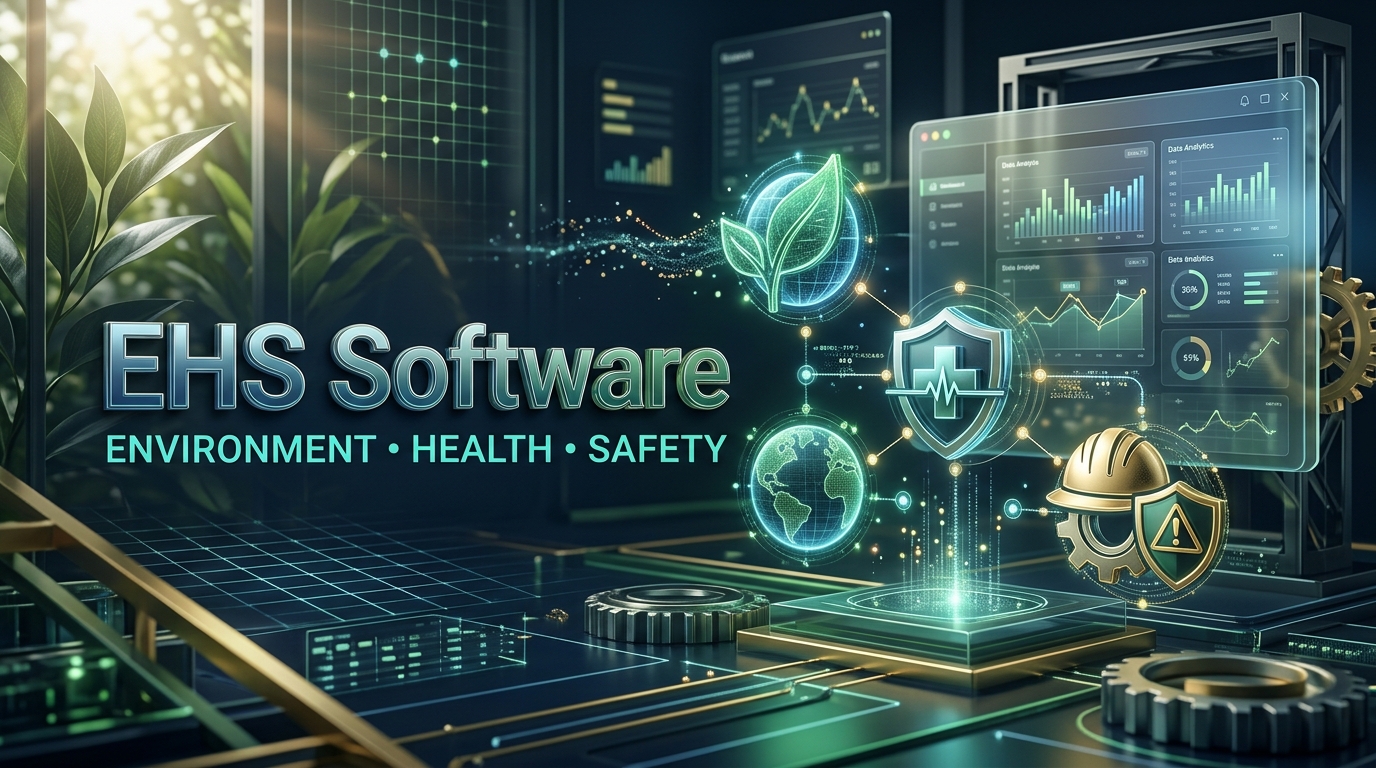
Every organization has a responsibility to protect its employees, manage environmental risks, and follow applicable safety regulations. However, when teams rely on paper forms, spreadsheets, and separate reporting tools, important information can be difficult to track. EHS Software helps businesses manage environmental health and safety activities in one place, making it easier to record incidents, monitor workplace hazards, organize inspections, and maintain compliance records. With the right system, teams can spend less time managing paperwork and more time addressing risks before they lead to serious problems.
What Is EHS Software?
Environmental Health and Safety software, commonly known as EHS software, is a digital system that helps organizations manage workplace safety, environmental responsibilities, risk assessments, and compliance activities. Instead of keeping information across multiple files and departments, businesses can use one platform to organize important records and follow up on safety-related tasks.
For example, a manufacturing company may need to track equipment inspections, employee injuries, chemical storage, waste disposal, and safety training. Managing these activities separately can make it harder to identify missing records or overdue actions. EHS Management Software brings these processes together, allowing safety managers and other responsible employees to access relevant information more easily.

The exact features depend on the software provider. Some systems focus mainly on workplace safety, while others also support environmental reporting, occupational health records, audits, and regulatory compliance.
How EHS Software Supports Environmental and Safety Compliance
1. Helps Businesses Track Compliance Requirements
Organizations must follow the environmental and workplace safety requirements that apply to their industry, location, and operations. Keeping track of these obligations can become difficult when requirements change or different sites follow different procedures.
Environmental Compliance Software helps teams organize permits, inspection schedules, compliance documents, and reporting deadlines. Responsible employees can review upcoming tasks and identify records that need attention.
For example, a facility may need to maintain waste disposal records, inspect safety equipment, or renew an environmental permit. A centralized system can help employees monitor these responsibilities and keep supporting documents organized.
However, using software does not automatically make a business compliant. Employees must still follow the applicable regulations, complete required activities, and verify that records are accurate.
2. Improves Workplace Hazard Identification
Workplace hazards can include unsafe machinery, electrical problems, chemical exposure, poor housekeeping, and inadequate protective equipment. If employees do not report these issues or managers fail to address them, a minor problem may develop into a serious incident.
EHS software allows employees and supervisors to document hazards, attach photographs where supported, assign responsibilities, and track corrective actions. Teams can review reported issues and decide which ones require immediate attention.
Workplace Safety Software can also help organizations maintain inspection checklists and review recurring problems. For example, if several inspections identify blocked emergency exits, managers can investigate why the issue keeps happening rather than treating each finding as an isolated problem.
This approach supports a more consistent safety process because employees have a clear way to report concerns and managers have a record of the actions taken.
3. Makes Incident Reporting More Consistent
Accidents, injuries, near misses, and unsafe conditions provide important information about workplace risks. When employees report incidents late or provide incomplete details, it becomes harder for safety teams to understand what happened.
Incident Reporting Software gives employees a structured way to record the date, location, people involved, event description, and other relevant details. Depending on the system, users may also attach photographs, witness statements, and supporting documents.
Once a report is submitted, the responsible team can review the information, investigate contributing factors, and assign corrective actions.
Near misses are particularly important because they can reveal hazards even when nobody has been injured. For example, a falling object that narrowly misses an employee may indicate problems with storage practices or equipment handling.
By recording and reviewing these events, organizations can identify patterns and take steps to prevent similar incidents.
4. Supports Risk Assessment and Management
Risk assessment helps organizations identify hazards, evaluate their potential consequences, and determine suitable control measures. It is an important part of Environmental Health and Safety activities, especially in industries where employees work with machinery, chemicals, heavy equipment, or hazardous materials.
Risk Management Software can help teams document identified hazards, assess their likelihood and severity, and record the controls selected to reduce risk.
A typical process may include the following steps.
- Identify hazards associated with a task or work area.
- Evaluate the likelihood and possible consequences of an incident.
- Decide which risks require immediate attention.
- Record suitable control measures and assign responsibilities.
- Review whether the controls are working as intended.
For instance, a construction team may identify the risk of falling from height during maintenance work. The team can document the hazard, assess the risk, record the required protective measures, and assign responsibility for checking them.
The software helps organize this process, but qualified employees must still evaluate the risks and select appropriate controls.
5. Organizes Safety Inspections and Audits
Regular inspections help businesses identify unsafe conditions, equipment problems, and gaps in established procedures. Audits, meanwhile, can help organizations evaluate whether their processes and records meet relevant internal or external requirements.
Without a centralized system, inspection schedules may be maintained in spreadsheets while completed checklists and findings are stored in separate folders. This can make follow-up difficult.
EHS Management Software can help teams schedule inspections, complete digital checklists, document findings, and assign corrective actions. Managers can review inspection results and check whether outstanding issues have been addressed.
For example, a warehouse may conduct routine inspections of fire extinguishers, emergency exits, storage areas, and material-handling equipment. A digital record helps the responsible team track completed inspections and identify missed checks.
These records can also support audit preparation by keeping relevant documentation easier to locate.
6. Helps Manage Environmental Responsibilities
Environmental compliance involves more than workplace safety. Depending on their activities, organizations may need to monitor waste generation, water use, air emissions, chemical handling, and environmental permits.
Environmental Compliance Software can help businesses organize environmental data, maintain records, monitor reporting deadlines, and document actions taken to address identified issues.
Consider a manufacturing facility that produces different types of waste. The environmental team may need to record waste quantities, disposal arrangements, collection dates, and supporting documentation. Keeping these records in one system can make reviews and reporting more manageable.
Some platforms also support environmental performance tracking, allowing organizations to review data over time and identify areas that may need improvement.
The required functions will vary by industry and jurisdiction, so businesses should confirm that a selected system supports their specific environmental obligations.
7. Keeps Corrective Actions on Schedule
Finding a problem is only the first step. Organizations also need to make sure that the issue is corrected and that the solution addresses its underlying cause.
EHS software can help teams assign corrective actions to specific employees, establish deadlines, record progress, and maintain evidence of completion. Managers can review overdue tasks and follow up with the responsible people.
For example, if an inspection identifies damaged electrical equipment, the system can record the finding and assign the necessary repair or replacement task. The responsible team can then document the work completed and verify that the issue has been resolved.
This process creates a clearer record of responsibility and follow-up. It also helps organizations identify repeated problems that may require changes to procedures, training, or equipment maintenance.
8. Improves Safety Communication and Employee Participation
Workplace safety depends on more than policies and documents. Employees need to understand procedures, report concerns, and know whom to contact when they identify a risk.
A well-organized EHS system can support communication by giving employees a consistent process for reporting hazards, submitting incident details, and accessing relevant safety information. Some platforms also include training records, notifications, and mobile reporting features.
When reporting is simple and accessible, employees may find it easier to share concerns before a situation becomes more serious.
Managers can also review reports from different departments to identify recurring issues and decide where additional communication or training may be useful.
Software alone cannot create a strong safety culture. Employees must feel comfortable raising concerns, and management must respond to reports fairly and consistently.
How to Choose the Right EHS Software
Not every organization needs the same features. A small business with one office may have different requirements from a construction company operating across several project sites.
Before choosing a system, consider the following factors.
- Compliance requirements: Check whether the software supports the environmental and safety obligations relevant to your business and location.
- Required features: Identify whether you need incident reporting, risk assessments, inspections, audit management, environmental records, or training management.
- Ease of use: Employees should be able to submit reports and complete routine tasks without unnecessary complexity.
- Reporting capabilities: Look for reports and dashboards that help managers review incidents, overdue actions, inspection results, and compliance records.
- Access and permissions: Check whether the system allows suitable access for employees, supervisors, safety managers, and other authorized users.
- Integration options: If you already use HR, maintenance, document management, or other business systems, review whether the EHS platform can connect with them where needed.
- Support and scalability: Consider whether the software can accommodate additional employees, facilities, or reporting requirements as the business grows.
It is also useful to test the system with the people who will use it daily. A demonstration or trial can help your team assess whether the available features match actual workplace processes.
Final Thoughts
Managing environmental and workplace safety responsibilities requires consistent reporting, reliable records, and timely action. When information is scattered across paper forms and separate spreadsheets, organizations may struggle to identify recurring hazards, monitor deadlines, and follow up on outstanding issues.
EHS Software provides a centralized way to manage many of these activities. From incident reporting and risk assessment to inspections, corrective actions, and environmental records, the right platform can help teams organize their work and make better-informed decisions.

However, software is only one part of an effective EHS program. Organizations still need trained employees, clear procedures, management involvement, and regular reviews of their safety and environmental performance. When these elements work together, businesses are better positioned to manage risks, maintain accurate records, and support a safer workplace.