Choosing a countertop color is one of the most important decisions in a kitchen renovation. The surface occupies a large visible area, so its shade and pattern influence the room’s overall appearance. However, a beautiful slab may not suit every cabinet finish or kitchen layout. We need to consider lighting, color combinations, natural veining, and maintenance before making a final decision. When these details work together, a countertop can create a balanced design that feels attractive and practical.
Understanding Quartzite Colors and Natural Patterns
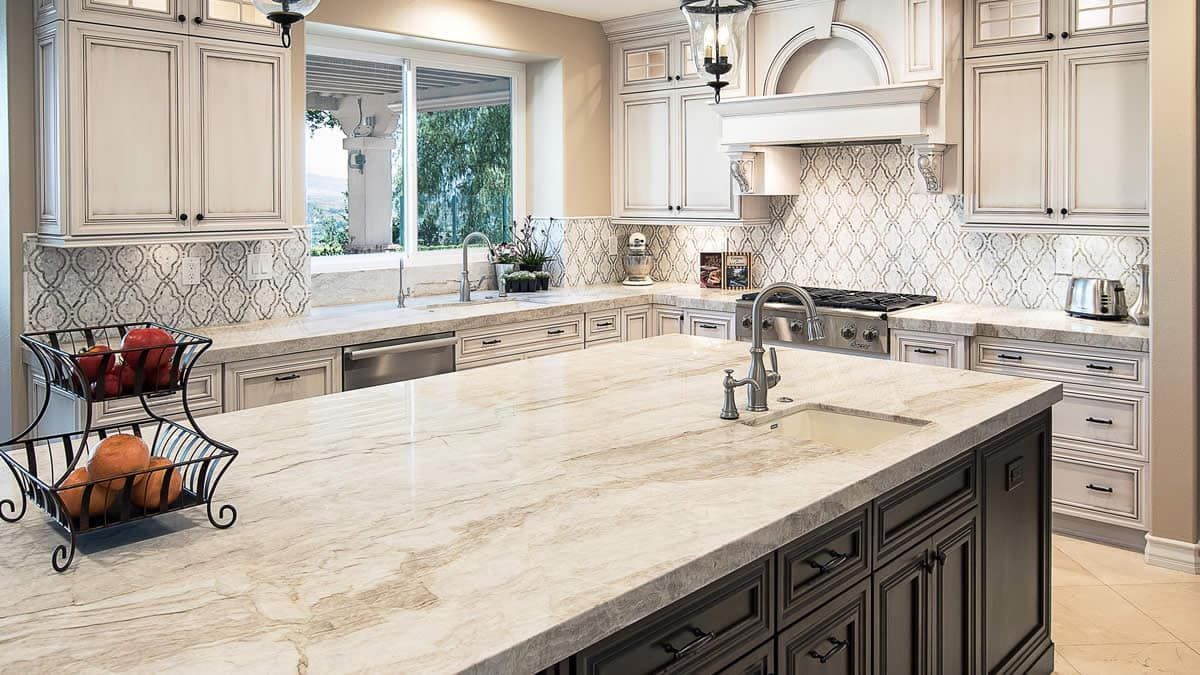
Quartzite is a natural stone that forms under heat and pressure. As a result, each slab has its own mineral patterns and color variations. Some varieties offer soft white backgrounds, while others feature stronger gray, blue, green, or warmer mineral tones.
Exploring different quartzite countertop colors can help us compare these natural differences before choosing a slab. However, photographs may not show every detail accurately. Therefore, we should examine the actual stone and compare it with the finishes already present in the kitchen.

Homeowners planning kitchen renovations in Milwaukee, WI, United States often need to balance the appearance of natural stone with existing cabinets, flooring, and lighting. For this reason, selecting quartzite should involve the complete kitchen rather than the countertop alone.
Start With the Existing Kitchen Design
Before selecting a color, we should review the kitchen’s main features. Cabinet finishes, flooring, backsplash materials, and wall colors can make the same quartzite slab look very different. Therefore, the countertop should complement these elements rather than compete with them.
For example, a slab with bold gray veining may look attractive beside plain white cabinets. However, the same pattern might appear too busy in a kitchen with decorative cabinet doors and patterned tile. A coordinated design begins with understanding the visual balance of the room.
Check Cabinet Undertones
White cabinets may contain warm cream or cool gray undertones. Meanwhile, natural wood cabinets can feature red, yellow, or brown tones. These details influence which stone colors look balanced.
We should compare cabinet samples with the quartzite slab under similar lighting conditions. As a result, we can identify unwanted color differences before making a purchase.
Consider Flooring Colors
Kitchen flooring often covers a larger area than the countertops. Therefore, its color can influence the entire room. Light flooring may pair well with dramatic stone patterns, while darker flooring can create contrast with white quartzite.
However, using too many strong colors may make the room appear crowded. We should choose a limited color palette that connects the main surfaces.
Popular Quartzite Colors for Kitchen Designs
Quartzite comes in several colors, and each creates a different appearance. However, the right choice depends on personal preferences and surrounding materials. Instead of following one design trend, we should compare colors based on the kitchen’s actual conditions.
White and Cream Quartzite
White quartzite can create a bright, clean appearance. It often works well with wood cabinets, dark cabinetry, and neutral wall colors. Meanwhile, cream quartzite may provide a warmer effect in traditional interiors.
However, not every white slab looks the same. Some have strong gray movement, while others contain beige or gold minerals. Therefore, full-slab inspection remains important.
Gray Quartzite
Gray quartzite offers a flexible choice for modern kitchens. Lighter shades can create a quiet background, while darker patterns may add contrast. In addition, gray tones often work with black hardware and stainless appliances.
However, we should check whether the gray has blue or brown undertones. These subtle differences can affect how the stone looks beside existing cabinetry.
Blue and Green Quartzite
Blue and green quartzite can become the main design feature of a kitchen. Their natural colors may create a distinctive appearance on islands or large countertop sections.
However, these strong colors require careful planning. Simple cabinets and backsplashes often allow the stone to stand out without overwhelming the room.
Match Quartzite With Different Cabinet Styles
Cabinet construction and door design influence the overall appearance of natural stone. Therefore, we should consider both color and style when planning the countertop. Shaker cabinets can complement quartzite because their simple recessed panels provide visual balance. Meanwhile, flat-panel cabinets can create a cleaner appearance when paired with bold stone movement. Traditional cabinets may also work well with quartzite. However, decorative doors and strong stone patterns can compete for attention. We should keep one of these elements relatively simple.
Pairing Quartzite With White Cabinets
White cabinets offer flexibility because they complement many quartzite varieties. For example, white quartzite with gray veining can produce a calm, coordinated appearance. Meanwhile, dark quartzite can create stronger contrast. However, we should avoid assuming that every white shade matches. Comparing physical samples helps us select compatible undertones.
Pairing Quartzite With Wood Cabinets
Wood cabinets introduce natural warmth. Therefore, quartzite with cream, beige, or subtle gray movement can create an attractive combination. Dark wood may also contrast effectively with lighter stone. The wood grain should receive attention, though. If both the cabinetry and stone contain strong patterns, the kitchen may look visually busy.
Understand Quartzite’s Role in Everyday Kitchen Use
Appearance matters, but kitchen countertops also need to support daily activities. Quartzite generally offers strong scratch resistance, although individual stones vary. However, even a durable surface can chip after heavy impacts or suffer damage from poor maintenance. Homeowners considering kitchen quartzite countertops should compare the selected slab’s characteristics with their cooking habits. We should also ask about porosity, sealing needs, and suitable cleaning products before installation. For example, a household that cooks frequently may value a surface that handles regular food preparation. However, cutting boards and trivets remain useful even when the stone offers good resistance to everyday wear.
Choose the Right Quartzite Finish
The finish affects both appearance and daily care. Therefore, we should compare finish options with the actual slab rather than choosing from photographs. A polished finish can reflect light and highlight natural veins. Meanwhile, a honed finish offers a softer appearance. However, finish availability depends on the stone and supplier.
Polished Quartzite
Polished quartzite can make the kitchen appear brighter by reflecting available light. It may also emphasize the stone’s mineral patterns. However, some polished surfaces show smudges or water marks more readily. We should consider cleaning preferences before choosing.
Honed and Textured Finishes
Honed surfaces create a less reflective appearance. Meanwhile, some textured finishes add a more natural visual character. However, maintenance requirements can vary. Therefore, the supplier should explain which finishes are appropriate for the selected quartzite.
Plan Quartzite Around Kitchen Lighting
Lighting can change how countertop colors appear. For example, warm interior lighting may emphasize cream and gold minerals. Meanwhile, cooler lighting may make gray and blue tones more noticeable. We should examine stone samples at different times of day whenever possible. Natural daylight, pendant lighting, and under-cabinet fixtures can all affect the final appearance. For homeowners in Milwaukee, WI, United States, seasonal daylight changes may also influence how a kitchen feels. Therefore, choosing a stone under only one showroom light source may not provide the full picture.
Consider Window Placement
Large windows may introduce strong natural light across the countertop. However, areas away from windows may appear darker. We should consider where the slab will receive the most light before choosing a strong or subtle pattern.
Understand Quartzite Countertop Pricing
Quartzite pricing depends on the selected stone, slab availability, thickness, and fabrication requirements. However, the square-foot material price does not always include cutting, delivery, and installation. Reviewing a quartzite countertop cost guide can help us identify the main expenses before comparing project estimates. Still, actual costs depend on the chosen slab and kitchen layout. For example, a large island may require more material than a simple countertop replacement. Meanwhile, decorative edges, sink cutouts, and complicated seams may increase fabrication work.
Compare Complete Estimates
We should request estimates that explain material selection, edge finishing, sink openings, delivery, and installation. However, some proposals may exclude old countertop removal or plumbing adjustments. Therefore, comparing itemized estimates provides a more accurate understanding of the project budget.
Review Slab Placement and Seam Locations
Natural veining can look different depending on how the fabricator cuts the stone. Therefore, slab orientation deserves attention, especially for large islands. Some countertops require multiple sections. However, natural patterns may not align perfectly across seams. We should discuss expected seam locations before approving fabrication. Similarly, sink openings can interrupt decorative veins. Planning these details early can help create a more balanced finished design.
Avoid Common Quartzite Color Selection Mistakes
One common mistake involves choosing a stone from a small sample without viewing the full slab. Another is selecting a dramatic countertop before comparing cabinet finishes and flooring. Homeowners may also overlook maintenance requirements or select an expensive slab without understanding fabrication costs. Therefore, we should review both design and practical performance before purchasing. A countertop should complement the kitchen’s daily function rather than serve only as a decorative feature.

Final Thoughts
Choosing quartzite colors requires careful consideration of natural patterns, cabinet finishes, lighting, and daily use. However, the most expensive or dramatic slab is not automatically the best choice. For a kitchen renovation in Milwaukee, WI, United States, we should compare actual slabs, review care requirements, and request complete installation estimates. With thoughtful planning, quartzite can provide a distinctive surface that supports both design preferences and everyday kitchen activities.