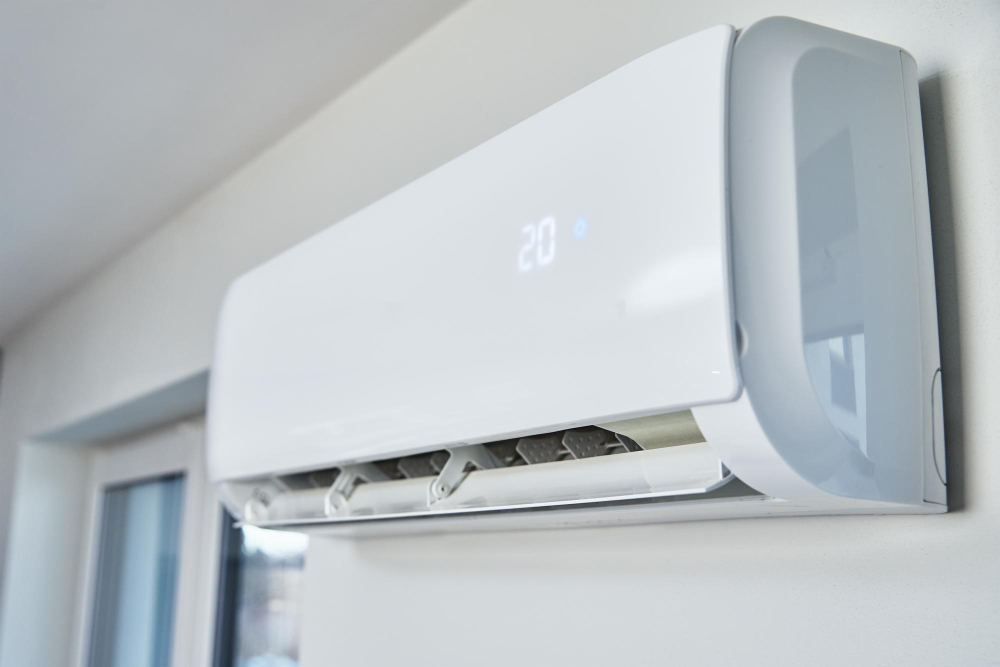
Tropical weather brings heavy moisture that directly alters how cooling appliances operate throughout the year. Operating aircons in the Philippines involves simultaneously managing both room temperature and high atmospheric moisture levels. When the indoor air remains saturated with water vapor, these appliances experience a heavy physical workload to maintain a comfortable indoor climate.
What is the Relationship Between Temperature and Moisture?
Air conditioning equipment functions by extracting heat and moisture from the indoor air supply. High relative humidity fills the room with heavy water vapor that makes the air feel sticky and warm even at lower settings. The machine has to extract this liquid vapor before it can successfully lower the actual room temperature.

How Does High Moisture Content Force Systems to Run Longer?
Cooling units divide their operational energy between lowering the temperature and condensing floating water vapor. When indoor moisture levels spike, the equipment remains active for extended durations to dry out the air. These elongated operating cycles keep the internal motor running without regular operational breaks.
Why Does Damp Air Lower Energy Efficiency?
An air conditioner consumes significantly more electricity when it battles constant indoor dampness. The cooling compressor draws maximum electrical current because it struggles to reach the target thermostat setting. This continuous power draw results in higher monthly utility bills for regular residential households.
How Does Excess Water Vapor Burden the Cooling Compressor?
The compressor acts as the heart of the refrigeration cycle and suffers the most from unmanaged humidity. High moisture levels force the compressor to pump refrigerant continuously at maximum pressure. This relentless operational pressure accelerates mechanical wear and generates excessive internal heat.
What Happens to Evaporator Coils Under High Moisture Stress?
Evaporator coils turn extremely cold to condense floating water vapor into liquid droplets. When damp air is pulled across these cold metal paths too quickly, moisture can freeze on the surfaces. This ice formation blocks normal airflow and can cause the entire cooling cycle to fail completely.
Why Do Drainage Pipes Clog Frequently in Tropical Weather?
Heavy moisture extraction produces a steady stream of liquid runoff inside the internal drain pan. This standing water combines with indoor dust particles to form a thick, jelly-like slime. This biological buildup blocks the narrow drainage lines and causes water to leak onto your home walls.
How Does Sticky Dust Impact Indoor Air Filters?
High relative humidity causes regular indoor dust and pet hair to become sticky. These damp particles cling tightly to the mesh surfaces of your indoor air filters. This rapid clogging restricts normal air intake and forces the main blower fan to spin much harder.
Why Does Moisture Cause Metal Corrosion Inside Air Conditioners?
Constant exposure to water droplets creates an ideal environment for metal oxidation on internal parts. Copper pipes and aluminum cooling fins slowly degrade when water sits on them for months. This chemical breakdown creates microscopic holes that allow expensive refrigerant gas to leak away.
How Does High Humidity Lead to Electrical Component Failures?
Damp indoor environments can cause condensation to form on delicate internal electronic circuit boards. This moisture contact creates electrical short circuits that can instantly destroy capacitors and control relays. Replacing these burned electronic parts requires expensive professional repairs and parts procurement.
How Do Variable Speed Motors Help Handle Tropical Air?
Inverter systems adjust their operating speeds to maintain consistent cooling without shutting off completely. These continuous, low-speed cycles provide steady dehumidification to extract water vapor efficiently. This constant regulation keeps indoor spaces comfortable while shielding the motor from sudden power spikes.
What Are the Signs of High Indoor Moisture Stagnation?
Homeowners can spot humidity issues by checking for foggy glass windows and musty indoor smells. Walls might show signs of dark mold growth near the ceiling corners due to trapped moisture. Damp bedding and sticky floors also indicate that your cooling machine is struggling to dehumidify the space.
How Does Continuous Dampness Reduce the Lifespan of Appliances?
Air conditioners exposed to unrelenting moisture stress fail years ahead of their expected expiration dates. The combination of rusted metals, overworked motors, and clogged drains causes premature mechanical breakdowns. Treating these recurring issues eventually becomes more expensive than buying a brand-new appliance.
What Maintenance Habits Protect Systems From Water Damage?
Wiping the external vents and washing the plastic air filters every two weeks prevents dirt accumulation. Scheduling professional deep cleaning sessions every four months removes slime from hidden drainage channels. These simple steps keep the internal parts dry and operational for a longer period.

Key Takeaway
Managing high humidity is essential for protecting the performance and longevity of your home cooling appliances. Excessive moisture forces internal components to operate under constant stress, which accelerates wear and increases electricity costs. Caring for aircons in the Philippines through regular filter cleaning will protect investments for many seasons.