Weak, damaged, and chemically treated hair is one of the most common hair concerns today. Frequent coloring, bleaching, rebonding, straightening, and heat styling gradually weaken the natural structure of hair, leaving it dry, brittle, rough, and difficult to manage. Many people notice excessive hair fall, split ends, loss of shine, and severe frizz after repeated chemical treatments.
One of the most effective solutions for repairing damaged hair is the use of a protein hair mask. These masks are specifically designed to restore lost proteins, strengthen weak strands, and improve overall hair texture. Unlike ordinary conditioners, protein masks work deeply inside the hair shaft to repair structural damage and rebuild hair strength from within.
In this article, we will explore how protein hair masks transform weak and chemically treated hair, why they are important, and how to use them properly for the best results.

Understanding Hair Damage and Protein Loss
Hair is primarily made of keratin protein, which gives it strength, elasticity, and structure. When hair undergoes chemical treatments such as coloring, bleaching, perming, or straightening, the protective cuticle layer becomes damaged. This damage weakens the internal protein structure of hair.
As protein loss increases, hair begins to show visible signs of weakness. It may become rough, dry, stretchy, and prone to breakage. Chemically treated hair often loses its natural shine and softness because the cuticle layer becomes uneven and porous.
Environmental stress, pollution, UV rays, and excessive heat styling further accelerate protein loss, making hair even more fragile over time.
What is a Protein Hair Mask?
A protein hair mask is a deep treatment enriched with proteins such as keratin, collagen, silk protein, wheat protein, or amino acids. These ingredients help repair damaged hair fibers by filling gaps in weakened strands and strengthening the hair shaft.
Protein masks are different from regular conditioners because they provide intensive repair rather than temporary softness. They penetrate deeper into the hair structure and help restore strength, elasticity, and resilience.
Most high-quality protein masks also include moisturizing ingredients to maintain balance and prevent dryness.
How Protein Hair Masks Transform Weak Hair
Protein hair masks improve weak hair by rebuilding damaged areas inside the hair shaft. When hair loses protein, the strands become thin and fragile. Protein treatments reinforce these weak spots and restore structural stability.
After regular use, hair becomes stronger and less likely to break during brushing or styling. Elasticity improves, which means hair can stretch slightly without snapping.
Protein masks also smooth the outer cuticle layer, reducing roughness and improving shine. This transformation makes hair look healthier and feel softer.
People with weak hair often notice reduced hair fall caused by breakage after adding protein treatments to their routine.
How Protein Masks Repair Chemically Treated Hair
Chemically treated hair suffers from intense structural damage because harsh chemicals open the cuticle and alter internal bonds. Protein hair masks help repair this damage by replenishing lost keratin and strengthening weakened fibers.
Bleached hair, for example, becomes highly porous and fragile. Protein masks fill in damaged areas, helping hair retain moisture and maintain elasticity.
Color-treated hair also benefits because protein treatments improve smoothness and reduce dryness caused by repeated dye applications.
For rebonded or straightened hair, protein masks help maintain softness and reduce the rough texture that often develops over time.
Although protein masks cannot completely reverse severe chemical damage instantly, consistent use significantly improves hair condition and appearance.
Visible Changes After Using Protein Hair Masks
The transformation in hair condition becomes more noticeable with regular use.
Initially, hair feels softer and smoother after treatment. Frizz becomes easier to control, and shine improves because the cuticle surface becomes more even.
Within a few weeks, hair usually becomes stronger and less prone to breakage. Split ends may appear reduced, and overall texture improves significantly.
Chemically treated hair often regains some elasticity and becomes easier to style. Hair also feels more hydrated because healthier strands retain moisture better.
Long-term use can make hair look fuller, shinier, and healthier overall.
Importance of Moisture and Protein Balance
While protein treatments are extremely beneficial, balance is essential. Hair also needs adequate moisture to remain soft and flexible.
Too much protein without hydration can cause hair to feel stiff or brittle. This condition is called protein overload. That is why many protein masks combine strengthening ingredients with moisturizing oils and conditioners.
Alternating between protein treatments and hydrating masks helps maintain healthy balance and prevents dryness.
How to Use Protein Hair Masks Correctly
Proper application plays an important role in achieving the best results.
Start by washing your hair with a gentle sulfate-free shampoo to remove dirt and buildup. Clean hair allows the protein mask to penetrate more effectively.
Towel dry your hair gently until it is damp. Apply the mask evenly from mid-length to ends, focusing on damaged areas.
Use a wide-tooth comb to distribute the product evenly through all sections of hair.
Leave the mask on for 10 to 20 minutes depending on your hair condition and product instructions.
Rinse thoroughly with cool or lukewarm water to seal the cuticle and lock in nutrients.
Using the mask once or twice a week is usually enough for most hair types.
Common Mistakes to Avoid
Many people do not get desired results because of incorrect usage.
One common mistake is overusing protein treatments. Excessive protein can make hair dry and rigid instead of soft.
Using harsh shampoos after treatment can strip away beneficial proteins quickly.
Applying protein masks on extremely dirty hair also reduces effectiveness because buildup blocks absorption.
Another mistake is neglecting hydration. Protein alone cannot maintain healthy hair without moisture support.
Who Should Use Protein Hair Masks?
Protein masks are ideal for people with:
Chemically treated hair
Bleached or colored hair
Heat-damaged hair
Weak and brittle strands
Excessive breakage and split ends
Frizzy and rough texture
Even people with healthy hair can use protein masks occasionally to maintain strength and prevent future damage.
Final Thoughts
Protein hair masks are one of the most effective treatments for restoring weak and chemically treated hair. By replenishing lost proteins and repairing structural damage, these masks help improve strength, shine, elasticity, and overall hair health.
The transformation does not happen overnight, but consistent use combined with proper hair care habits can deliver remarkable long-term results. Balancing protein with hydration is the key to achieving soft, strong, and manageable hair.

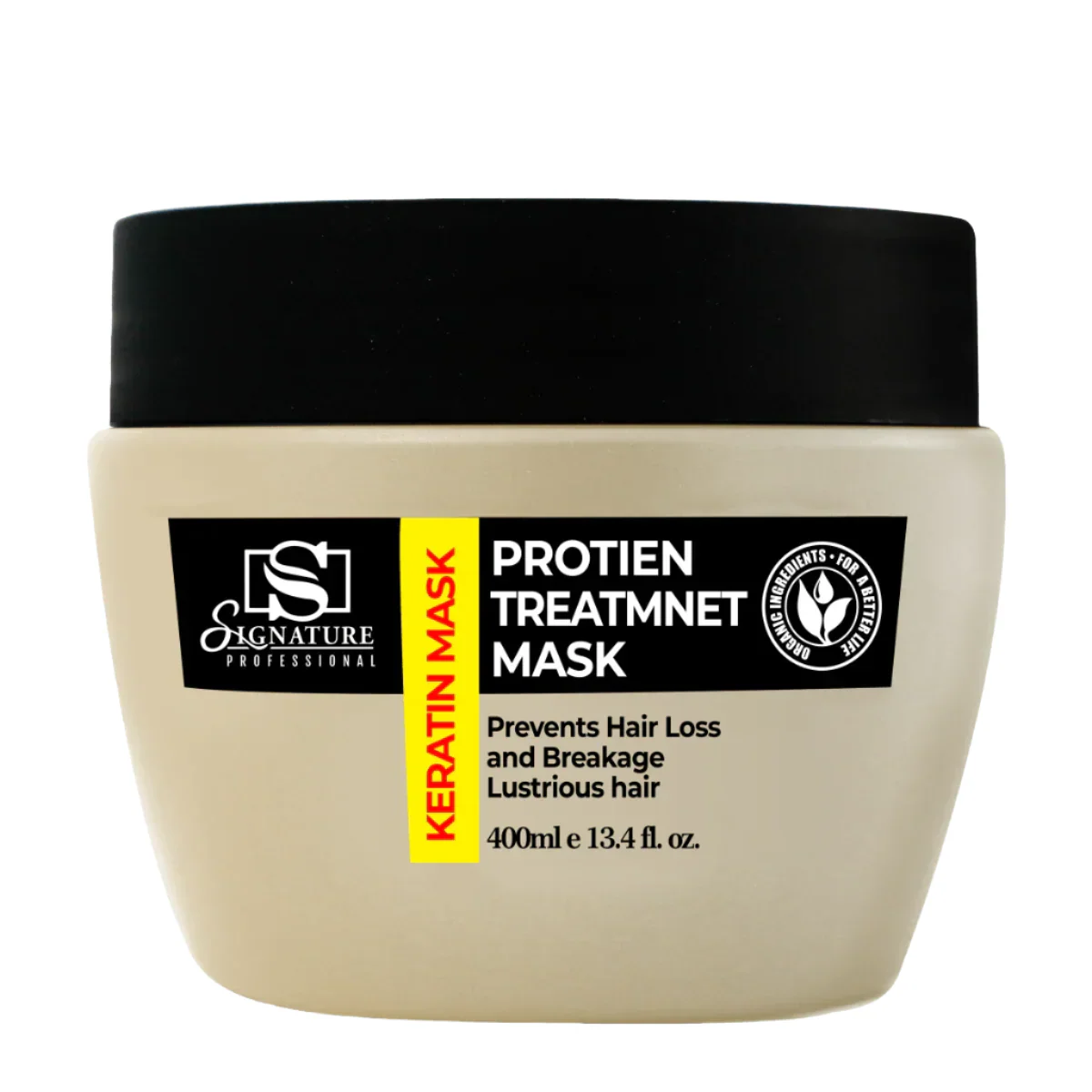
Brands like Signature Professional continue to develop advanced hair care solutions designed for damaged and chemically treated hair. Many users looking for salon-quality repair treatments often prefer products considered the Best Keratin Mask in Pakistan, especially for restoring smoothness, strength, and shine to weak hair over time.