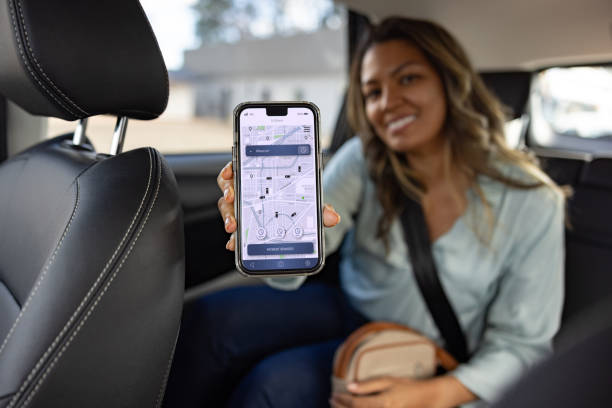
Uber changed the way the world moves. What started as a simple ride-hailing idea in 2009 has grown into a $150+ billion mobility and delivery giant operating in over 70 countries. That success story has inspired thousands of entrepreneurs to ask the same question: “Can I build an app like Uber for my own market?”
The good news — yes, you can. And in 2026, thanks to mature frameworks, cloud infrastructure, and AI tools, building a ride-hailing app is faster and more affordable than ever. This guide breaks down exactly what it takes: the cost, the must-have features, the tech stack, and how AI is reshaping the next generation of these apps.
Why Entrepreneurs Are Still Betting on Ride-Hailing Apps
The global ride-hailing market is projected to keep growing steadily through the late 2020s, driven by urbanization, rising fuel costs, and consumer preference for convenience over car ownership. Local and regional players are carving out profitable niches by:
- Serving underserved cities or suburbs
- Focusing on a single vertical (women-only rides, luxury transport, intercity travel)
- Bundling rides with delivery or logistics services
- Offering lower commission rates to attract drivers
This is exactly why so many founders skip building from scratch and instead partner with an uber clone app development company — it lets them launch a proven, tested model quickly instead of reinventing the wheel.
What Exactly Is an “Uber Clone” App?
An Uber clone isn’t a copy-paste of Uber’s code — it’s a pre-built, customizable ride-hailing solution that replicates Uber’s core functionality (booking, live tracking, payments, driver matching) while allowing you to rebrand, reconfigure, and scale it to your market.
Working with an experienced uber clone app development company means you get:
- A faster time-to-market (weeks instead of a year+)
- Lower development cost than building from zero
- Battle-tested architecture that scales
- Room to customize branding, pricing logic, and features
Core Features You Need to Build an App Like Uber
A ride-hailing platform isn’t one app — it’s an ecosystem of three connected apps plus a backend, and getting the ride hailing app features right across each one is what separates a smooth launch from a frustrating one.
1. Passenger App
- Easy sign-up (phone/social login)
- Real-time GPS ride booking
- Live driver tracking on map
- Fare estimator before booking
- Multiple payment options (card, wallet, cash)
- Ride history & digital receipts
- Ratings & reviews
- SOS/safety button
- Promo codes & referral system
2. Driver App
- Driver verification & document upload
- Real-time ride requests with accept/reject
- Turn-by-turn in-app navigation
- Earnings dashboard & payout tracking
- Ride/trip history
- Online/offline toggle
- In-app chat or call with rider
3. Admin Panel
- Live ride monitoring dashboard
- Driver and vehicle management
- Dynamic pricing & surge configuration
- Analytics & reporting
- Promotions and referral management
- Dispute resolution tools
- Geo-fencing and zone management
AI-Driven Insights: The Next Layer of Ride-Hailing Apps
The biggest shift in 2026-era ride-hailing apps isn’t a new button or screen — it’s what’s happening behind the scenes. AI has moved from “nice to have” to a competitive necessity.
Where AI Is Making the Biggest Impact
1. Smart Demand Prediction Machine learning models analyze historical ride data, weather, local events, and time patterns to predict demand spikes before they happen — helping position drivers proactively instead of reactively.
2. Dynamic & Fair Pricing Instead of blunt surge multipliers, AI-driven pricing engines balance rider affordability with driver incentives in real time, reducing cancellations caused by “price shock.”
3. Intelligent Driver-Rider Matching AI factors in driver rating, proximity, vehicle type, traffic conditions, and even rider preferences to reduce wait times and improve match quality.
4. Fraud & Safety Detection Anomaly-detection models flag suspicious account activity, GPS spoofing, or fraudulent payment patterns before they become a problem.
5. Predictive Maintenance Alerts For fleet-based ride-hailing businesses, AI can flag vehicles likely to need maintenance based on usage patterns — reducing breakdowns and downtime.
6. Conversational AI Support In-app chatbots now handle a large share of rider and driver support queries instantly, reducing dependency on human support teams.
A forward-thinking uber clone app development company will bake these AI capabilities into the core architecture rather than bolting them on later — this matters a lot for scalability.
Tech Stack for Building an Uber-Like App
| Layer | Common Technology Choices |
|---|---|
| Frontend (iOS) | Swift |
| Frontend (Android) | Kotlin |
| Cross-platform (optional) | Flutter / React Native |
| Backend | Node.js, Ruby on Rails |
| Database | PostgreSQL, MongoDB |
| Real-time tracking | Google Maps API / Mapbox + WebSockets |
| Cloud Infrastructure | AWS / Google Cloud |
| Payments | Stripe, Braintree, PayPal |
| AI/ML Layer | Python (TensorFlow/PyTorch) for demand & pricing models |
How Much Does It Cost to Build an App Like Uber?
Cost depends heavily on scope, platform choice, and feature complexity. Here’s a realistic breakdown:
| Approach | Estimated Cost Range | Timeline |
|---|---|---|
| MVP (basic booking + tracking) | $15,000 – $30,000 | 6–10 weeks |
| Mid-range app (payments, ratings, admin panel) | $30,000 – $60,000 | 3–5 months |
| Full-featured app with AI-driven features | $60,000 – $120,000+ | 5–8 months |
Key cost drivers:
- Number of platforms (iOS, Android, Web)
- In-house team vs. outsourcing
- Level of customization vs. white-label solution
- AI/ML feature integration
- Third-party API costs (maps, payments, SMS)
- Post-launch maintenance & support
Partnering with an established uber clone app development company typically costs less than building from scratch because the core framework, security layer, and admin panel are already engineered and tested — you’re paying primarily for customization, branding, and go-to-market speed.
White-Label vs. Custom Development: Which Should You Choose?
| Factor | White-Label Solution | Custom Development |
|---|---|---|
| Cost | Lower | Higher |
| Time to launch | Faster (weeks) | Slower (months) |
| Customization | Limited to moderate | Fully flexible |
| Ownership of source code | Sometimes limited | Full ownership |
| Best for | Fast market entry, startups | Unique business models, long-term scaling |
If you want to test a market quickly with lower risk, white-label is often the smarter first move. If your business model has unique mechanics (e.g., subscription-based rides, B2B logistics), custom development gives you the flexibility to build exactly what you need.
Step-by-Step: How to Build Your Uber-Like App
- Define your niche and business model — city-based rides, intercity, delivery-hybrid, or a specific vertical.
- Choose your build approach — white-label vs. custom, and select a development partner.
- Design the user flow and wireframes for passenger, driver, and admin apps.
- Develop the MVP with core booking, tracking, and payment features.
- Integrate AI-driven features — smart pricing, demand prediction, and fraud detection.
- Test rigorously across devices, geographies, and edge cases (poor connectivity, GPS drift, payment failures).
- Launch in a controlled pilot city before scaling regionally.
- Iterate based on real usage data — this is where AI insights pay off the most.
Final Thoughts
Building an app like Uber in 2026 is no longer just about replicating a booking flow — it’s about combining a solid technical foundation with AI-driven intelligence that makes your platform smarter with every ride. Whether you choose a white-label solution or a fully custom build, working with an experienced uber clone app development company can significantly reduce your time-to-market while giving you a platform built to scale.
The ride-hailing space still has room for focused, well-executed players — the question isn’t whether the opportunity exists, but how fast and how smart you can build.