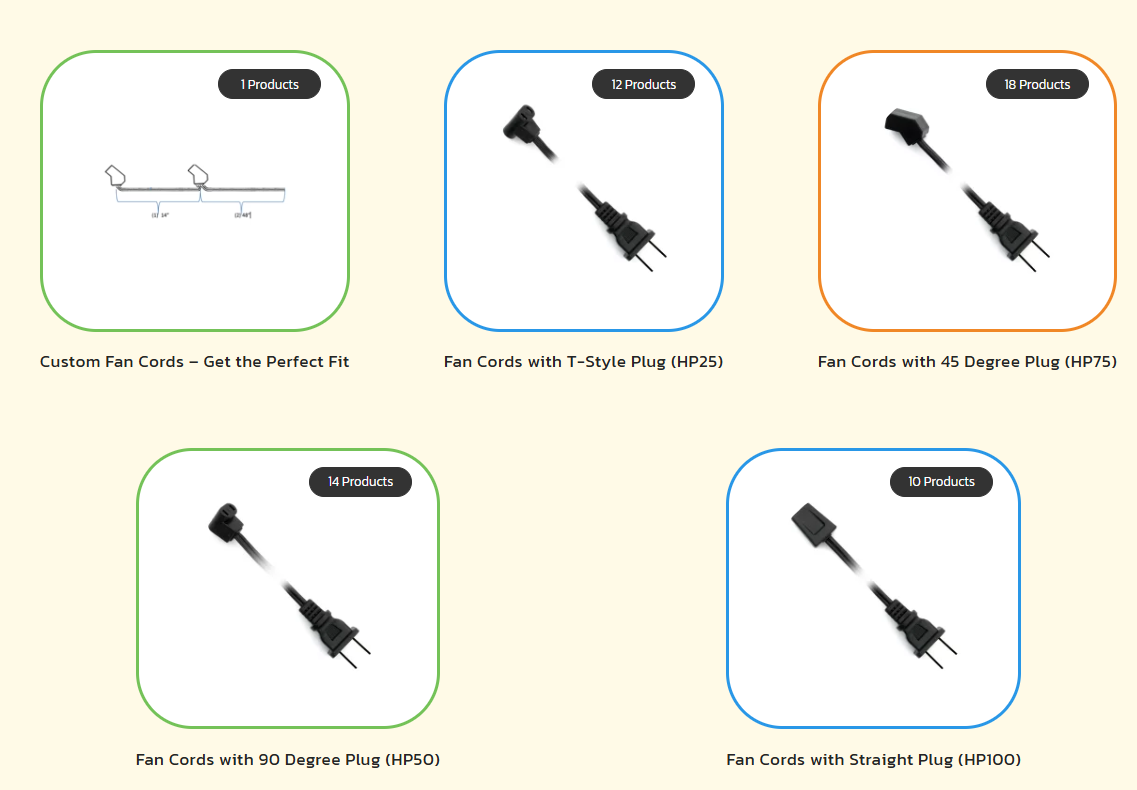
When it comes to keeping electronic equipment and industrial systems running efficiently, every component matters. While cooling fans often receive the most attention, the cooling fan power cord is equally important. A high-quality power cord ensures your fan operates safely, efficiently, and consistently, reducing the risk of downtime caused by electrical failures.
Whether you’re replacing an existing cord or installing a new cooling fan, choosing the correct power cord can improve system reliability and extend the life of your equipment. This guide explains what to look for, common cord types, and why selecting the right option is essential for industrial and commercial applications.
Why Cooling Fan Power Cords Matter
A cooling fan is only as reliable as the power connection supplying it. Poor-quality or incompatible cords can lead to voltage drops, overheating, or intermittent fan performance. In demanding industrial environments, these issues may shorten equipment life and increase maintenance costs.

Using the proper cooling fan power cord helps ensure:
- Reliable electrical connections
- Safe power delivery
- Consistent fan performance
- Reduced risk of electrical damage
- Easy installation and replacement
Selecting the right cord also helps maintain compliance with safety standards and supports uninterrupted airflow for critical equipment.
What Is a Cooling Fan Power Cord?
A cooling fan power cord is a cable designed to connect an AC-powered cooling fan to an electrical power source. These cords are commonly used with:
- Industrial cooling fans
- Cabinet cooling fans
- Electronic enclosures
- Server racks
- HVAC equipment
- Telecommunications cabinets
- Control panels
Many power cords feature molded connectors that simplify installation while ensuring a secure electrical connection.
Key Factors to Consider Before Buying
Choosing the right fan power cord involves more than selecting the correct length. Consider the following factors before making your purchase.
1. Connector Compatibility
Always verify that the connector matches your cooling fan model. Different fans may use different connector styles, so compatibility is essential.
2. Voltage Rating
Confirm that the power cord supports your fan’s operating voltage. Most AC cooling fans operate at standard industrial voltages, but specifications vary.
3. Wire Gauge
The wire gauge affects current capacity. Using the appropriate gauge helps prevent overheating while maintaining efficient power delivery.
4. Cord Length
Choose a length that allows clean cable routing without unnecessary slack. Excess cable can create clutter, while cords that are too short may strain connectors.
5. Safety Certifications
Look for cords that meet recognized safety standards to ensure dependable operation in commercial and industrial environments.
6. Build Quality
Durable insulation, molded connectors, and high-quality materials improve longevity, especially in facilities where equipment operates continuously.
Feature & Benefit Table
| Feature | Benefit |
|---|---|
| Durable insulation | Protects against wear and environmental exposure |
| Secure molded connectors | Provides reliable electrical connections |
| Multiple cord lengths | Supports flexible installation |
| Industrial-grade construction | Withstands demanding operating conditions |
| Compatible AC connectors | Simplifies replacement and installation |
| High-quality copper conductors | Delivers efficient power transmission |
| Flexible cable design | Makes routing easier in control panels |
| Safety-certified components | Improves electrical reliability |
Benefits of Using High-Quality Cooling Fan Power Cords
Investing in premium industrial cooling fan power cords offers several advantages.
Improved Equipment Reliability
Consistent electrical power helps cooling fans maintain proper airflow, protecting sensitive electronics from overheating.
Reduced Maintenance
Quality power cords are designed to resist wear, reducing the need for frequent replacements.
Better Safety
Proper insulation and certified materials help reduce electrical hazards in industrial environments.
Faster Installation
Many replacement cords feature plug-and-play connectors, allowing technicians to complete installations quickly.
Longer Fan Life
Stable power delivery reduces unnecessary stress on fan motors, contributing to longer operational life.
Common Applications
Cooling fan power cords are widely used across many industries, including:
- Industrial automation
- Manufacturing facilities
- Data centers
- Telecommunications equipment
- Medical devices
- HVAC systems
- Electrical control cabinets
- Commercial electronics
These environments rely on dependable cooling systems to protect valuable equipment from excessive heat.
Tips for Maintaining Fan Power Cords
Proper maintenance extends the life of both the cord and the cooling fan.
- Inspect cords regularly for cuts or damage.
- Avoid excessive bending near connectors.
- Replace worn or damaged cords immediately.
- Keep cables away from sharp edges.
- Use the correct voltage for every installation.
- Secure cables to prevent accidental disconnection.
Routine inspections can prevent unexpected failures and improve overall equipment reliability.
Why Choose GardTec Cooling Fan Power Cords?
GardTec offers reliable accessories designed for demanding cooling applications. Their cooling fan power cords are built for dependable performance and compatibility with a wide range of AC cooling fans.
Benefits include:
- Durable construction
- Reliable electrical connections
- Multiple length options
- Easy installation
- Industrial-quality materials
- Long service life
Choosing quality accessories helps maximize cooling performance while minimizing maintenance requirements.
Conclusion
Selecting the right cooling fan power cord is an important part of maintaining reliable cooling performance. From connector compatibility and voltage ratings to cable quality and safety certifications, every detail contributes to efficient operation.
Whether you’re replacing an existing cable or installing a new cooling system, investing in a high-quality power cord helps protect equipment, reduce downtime, and improve long-term reliability. By choosing the right solution for your application, you can ensure your cooling fans continue operating safely and efficiently for years to come.
Frequently Asked Questions (FAQ)
1. What is a cooling fan power cord?
A cooling fan power cord connects an AC-powered cooling fan to an electrical power source, ensuring safe and reliable operation.
2. How do I know which power cord fits my cooling fan?
Check your fan’s connector type, voltage requirements, and manufacturer specifications before purchasing a replacement cord.
3. Are cooling fan power cords universal?
No. Connector styles, voltage ratings, and cable lengths vary by fan model and manufacturer.
4. Can I replace a damaged fan power cord?
Yes. Replacing a damaged cord is recommended to maintain safety and prevent equipment failure.

5. Why is cord length important?
The proper length allows safe cable routing without creating excess slack or placing strain on connectors.