Marine electronics play a vital role in modern underwater operations, navigation, communication, and monitoring systems. From scientific research equipment to offshore energy installations, these technologies depend on reliable electrical connections to operate safely in demanding marine environments.
However, saltwater, moisture, pressure, and temperature fluctuations can damage sensitive electronic components if they are not adequately protected. Watertight connectors help prevent these problems by maintaining secure electrical connections and reducing the risk of water intrusion.
Choosing the right connector is essential for ensuring long-term performance, particularly when equipment operates underwater or in areas exposed to continuous splashing and humidity. Compact, multi-core connector designs provide practical solutions for applications where space is limited and several electrical signals must travel through a single connection.

Understanding the Importance of Watertight Connectors
Marine environments present several challenges for electrical equipment. Saltwater is conductive and corrosive, meaning that even a small amount of moisture entering an electrical connection can cause short circuits, corrosion, or signal interference. These problems may result in equipment failure, expensive repairs, and unexpected operational downtime.
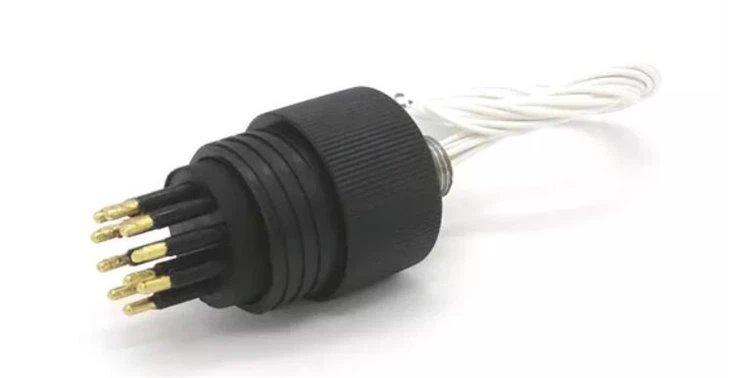
Micro Flat 7-9 Core Watertight Connectors are specifically designed to create a protective barrier around electrical contacts. Depending on their construction, they may use sealing rings, precision-moulded components, corrosion-resistant materials, and secure locking mechanisms to prevent water from reaching sensitive internal parts.
These features are particularly important for underwater cameras, sonar equipment, navigation instruments, remotely operated vehicles (ROVs), and marine monitoring systems. Reliable connectors help maintain electrical continuity while protecting connected devices from environmental damage.
How Watertight Connectors Prevent Water Intrusion
The primary function of a watertight connector is to prevent moisture from entering the electrical connection. Manufacturers achieve this through several complementary design features.
Sealing Mechanisms
Seals and O-rings create a barrier between the connector’s internal contacts and the surrounding environment. When correctly installed and compressed, these components help prevent water from passing through connection points.
The quality of the seal is particularly important in underwater applications, where increasing depth can expose equipment to greater hydrostatic pressure. A connector must be designed and rated for the specific depth and operating conditions in which it will be used.
Secure Locking Systems
Vibration, movement, and mechanical stress can loosen poorly secured electrical connections. Marine equipment frequently experiences these conditions because of waves, vessel movement, and underwater currents.
Locking mechanisms help maintain a stable connection and reduce the risk of accidental disconnection. Threaded, bayonet-style, or other secure coupling systems may be used depending on the connector design.
Corrosion Resistance
Saltwater exposure can accelerate corrosion in metallic components, weakening electrical contacts and increasing resistance. Watertight connector designs often incorporate suitable corrosion-resistant contact materials and protective housings to improve durability.
However, sealing alone does not guarantee corrosion resistance. Material selection, plating quality, maintenance, and compatibility between connected components are also important considerations.
Protecting Sensitive Marine Electronics From Electrical Failure
Sensitive marine electronics require stable power delivery and dependable signal transmission. Even minor disruptions can affect the accuracy of instruments or interrupt communication between connected systems.
A properly selected watertight connector helps protect these functions by reducing the likelihood of moisture-related short circuits, contact degradation, and intermittent electrical connections.
For example, underwater cameras rely on consistent electrical power and data transmission to deliver clear images. Scientific sensors require dependable connections to transmit measurements, while navigation and communication systems depend on reliable signal pathways.
A Micro Flat 7-9 Core Watertight Connector can be suitable for applications requiring several electrical connections within a compact arrangement, provided its specifications match the equipment’s requirements. Its multi-core configuration can help organise power and signal connections while supporting installations where space is restricted.
The actual level of protection depends on the product’s sealing design, electrical ratings, materials, and verified environmental performance.
Advantages of Compact Multi-Core Connector Designs
Space is often limited in marine electronics, especially in underwater instruments, compact robotic systems, and specialised monitoring devices. Large connectors can increase installation complexity and make equipment harder to package.
Compact multi-core connectors offer several potential advantages.
Efficient Use of Space
Combining multiple electrical contacts in a single connector can reduce the number of separate connection points required. This can simplify cable routing and help engineers design smaller equipment assemblies.
Improved Cable Organisation
Using one connector for several circuits can make wiring arrangements easier to manage. A well-organised connection system may also simplify inspection, troubleshooting, and equipment replacement.
Reliable Signal Connections
Multi-core configurations can support different power, control, and signal circuits when the connector is designed for those purposes. Engineers must still consider current capacity, voltage ratings, shielding requirements, and electrical separation to avoid interference or overheating.
Simplified Installation
A suitable compact connector can reduce the physical space needed for electrical interfaces and streamline assembly. Nevertheless, installers should ensure that cables are correctly terminated, seals remain undamaged, and the connector is securely coupled according to the manufacturer’s instructions.
Applications Across Modern Marine Technology
Watertight connectors support a wide range of marine and subsea applications. Their specific requirements vary according to depth, equipment type, operating duration, and environmental exposure.
Underwater robotics: Remotely operated vehicles use electrical connections for cameras, motors, lights, sensors, and communication equipment. Reliable connectors help these systems operate in demanding underwater conditions.
Marine research: Oceanographic instruments collect information about temperature, salinity, pressure, and water movement. Protected electrical connections help maintain dependable communication between sensors and recording equipment.
Offshore energy: Subsea installations may contain monitoring devices, control equipment, and instrumentation that require durable electrical interfaces. Connector selection must account for operating depth, environmental conditions, and applicable safety requirements.
Navigation and communication: Marine vessels depend on electronic equipment for positioning, radar-related systems, communications, and monitoring. Watertight connections help protect equipment installed in exposed or moisture-prone locations.
Underwater imaging: Cameras and lighting systems require dependable power and data connections. Properly rated connectors help reduce the possibility of water-related electrical interruptions during inspections and research activities.
Why Hysfsubsea Matters for Marine Connectivity
Hysfsubsea focuses on watertight connector solutions for marine and underwater applications. When evaluating products from Hysfsubsea, engineers and equipment buyers can consider connector configuration, available core counts, dimensional requirements, and suitability for specific subsea environments. More visit: https://hysfsubsea.com/
Selecting a product that matches the project’s electrical and environmental demands is essential for protecting sensitive electronics. Buyers should confirm detailed specifications, including operating depth, ingress protection, current capacity, and material compatibility, before choosing a connector for critical installations.
Conclusion
Watertight connectors are essential components in modern marine technology because they help protect sensitive electronics from moisture, corrosion, and electrical interruptions. Their sealing systems, secure coupling mechanisms, and suitable construction materials support reliable operation in challenging marine environments.
Compact multi-core designs can further simplify installations by combining several electrical connections in a limited space. However, dependable performance requires careful product selection, correct installation, and regular maintenance.
By matching connector specifications to the application’s operating conditions, engineers can improve equipment reliability, reduce maintenance costs, and support the long-term performance of marine electronic systems.