In the rolling hills around Oneonta, Alabama, where heavy rains and intense summer heat test every home, a roof works harder than most folks realize. It shields your family, holds up against sudden storms, and quietly protects everything you’ve built. But like any hardworking guardian, it eventually shows its age. Spotting those subtle changes early can save you from costly emergencies and keep your home safe and dry for years to come.
Royal Roof Contractors, LLC has helped countless homeowners in Oneonta and across Alabama recognize when their roof is approaching the end of its reliable service. As a trusted roofing contractor Alabama homeowners rely on for residential roofing services in Oneonta Alabama, we know the local climate demands attention to detail. This guide walks you through the key indicators, so you can act with confidence.
Why Roof Longevity Matters in Alabama
Alabama’s weather—blistering UV rays, frequent thunderstorms, high humidity, and occasional high winds—accelerates wear on roofing materials. Asphalt shingles, the most common choice, typically last 15-25 years here, while architectural shingles might stretch to 20-30 years with good care. Metal roofs often endure 40-50 years or more, but even they need monitoring.

Ignoring early signs leads to bigger problems: water damage, mold, higher energy bills, and structural issues. Catching problems now means smarter decisions later, whether that’s targeted repairs or a full replacement.
1. Visible Shingle Damage: Curling, Cracking, or Missing Pieces
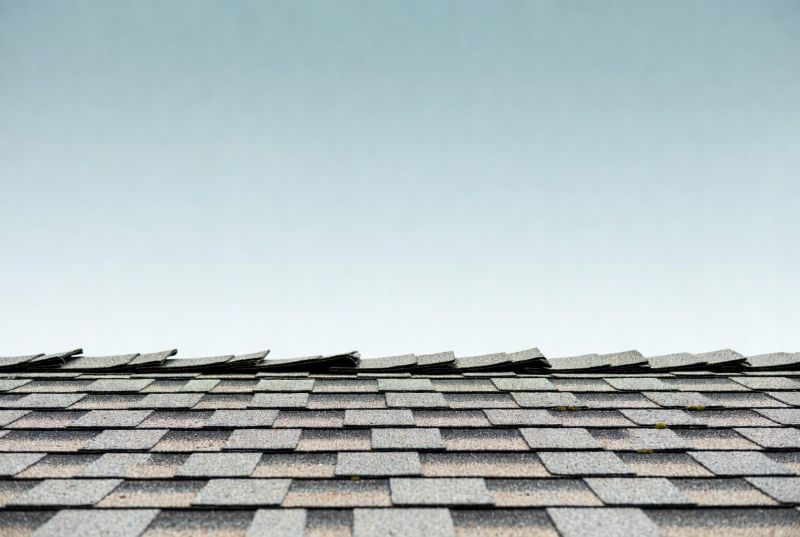
One of the most obvious early warnings appears right on the surface. Shingles that curl at the edges, crack, or buckle indicate the protective oils have dried out and the material is losing flexibility. In Alabama’s heat, this process speeds up.
Missing shingles, especially after storms, signal that the adhesive and fasteners are failing. A few missing pieces might seem minor, but they expose the underlayment and decking to moisture. If you notice this repeatedly, your roof may be nearing replacement territory rather than simple fixes.
What to do: Safely view your roof from the ground or use binoculars. Note patterns—damage concentrated on the south-facing side often points to sun exposure.
2. Granule Loss and Bald Spots
Walk around your house after rain and check the gutters. A steady stream of black or colored granules is normal in small amounts, but heavy accumulation means your shingles are shedding their protective coating. This leaves the asphalt vulnerable to UV rays, causing faster deterioration and bald spots where the shingle surface looks smooth and worn.
Granule loss reduces the roof’s ability to shed water and reflect heat, leading to higher indoor temperatures and energy costs. Homeowners in Blount County often see this accelerate during long, hot summers.
3. Interior Water Stains and Leaks
Ceiling stains, even small yellowish or brown ones, are red flags. They often appear near chimneys, vents, or valleys where water can penetrate. Musty smells or peeling paint in the attic or upper rooms suggest ongoing moisture intrusion.
In Alabama homes, leaks frequently stem from worn flashing around penetrations or damaged valleys. What starts as a drip can quickly become widespread damage if ignored. Multiple leaks or recurring ones after repairs strongly suggest the roof system as a whole is failing.
4. Sagging Rooflines or Uneven Surfaces
A roof should have clean, straight lines. Sagging areas or a wavy appearance indicate the decking or trusses may be compromised by water or age. This is one of the most serious signs and requires prompt professional evaluation to prevent collapse risks.
In older Oneonta homes, poor ventilation combined with humidity can weaken wooden structures over decades. A sagging roof rarely improves on its own.
5. Moss, Algae, or Excessive Growth
While some moss looks charming, thick growth traps moisture against shingles and speeds up decay. In shaded or north-facing sections common in Alabama’s wooded areas, algae (often black streaks) and moss thrive in humid conditions.
These organisms don’t just look bad—they hold water, promote rot, and can void certain warranties. Cleaning helps temporarily power au, but heavy infestation on an older roof often means underlying damage.
6. Flashing and Sealant Issues
Flashing around chimneys, skylights, vents, and where roof sections meet is a common failure point. Look for rust, gaps, or lifted metal. Cracked or missing sealant around these areas allows water entry during Alabama’s heavy downpours.
Deteriorating flashing often appears alongside granule loss or shingle wear, compounding problems.
7. Higher Energy Bills and Poor Attic Conditions
If your cooling costs spike without changes in usage, your roof may no longer insulate effectively. Worn shingles and poor ventilation let heat in during summer and trap moisture year-round.
Check your attic for:
- Daylight peeking through
- Wet or stained insulation
- Mold growth
- Excessive heat buildup
These point to a roof losing its protective and energy-efficient qualities.
8. Age and Repair History
Even without dramatic visible damage, a roof over 20-25 years old in Alabama is statistically likely approaching the end of its life. Frequent repairs—more than one major fix in a few years—suggest the system is at its limit. Patching one area often reveals issues nearby.
Real-World Example: A family in Oneonta contacted Royal Roof Contractors after noticing granule buildup and a few ceiling stains following a spring storm. Their 22-year-old asphalt shingle roof showed widespread curling and granule loss. A full inspection revealed hidden decking damage in multiple spots. Rather than continuing costly patches, they chose a complete replacement with high-performance architectural shingles suited to Alabama’s climate. This decision prevented thousands in potential water damage and improved their home’s energy efficiency noticeably within the first summer.
When to Call a Professional
Many signs are visible from the ground, but a trained eye spots hidden issues. As an experienced residential roofing services provider in Oneonta Alabama, Royal Roof Contractors offers thorough inspections that go beyond surface checks. We evaluate the entire system—decking, ventilation, insulation, and flashing—to give you clear, honest recommendations.
Don’t wait for a major leak during a thunderstorm. Early action protects your investment and gives you time to explore options like durable metal roofing or impact-resistant materials that perform well in our region.
Best Practices for Roof Longevity
While no roof lasts forever, smart habits extend its life:
- Schedule annual professional inspections, ideally before and after storm season.
- Keep gutters and downspouts clear to ensure proper drainage.
- Trim overhanging branches to reduce debris and shade-related growth.
- Ensure proper attic ventilation to combat humidity.
- Address minor issues promptly rather than letting them compound.
For homeowners considering upgrades, modern high-performance materials offer better wind resistance and longevity—important factors in Alabama.
Taking the Next Step
Recognizing these early warning signs empowers you to protect your home proactively. Whether you need minor repairs or a full roof replacement, partnering with a reliable local expert makes all the difference.
Royal Roof Contractors, LLC stands ready as your trusted roofing contractor Alabama homeowners count on for quality residential roofing services in Oneonta Alabama. Our team brings proven experience, attention to detail, and a commitment to results-driven solutions tailored to local conditions.

Don’t let small signs turn into big problems. Contact us today for a professional roof assessment and peace of mind for your family’s home.