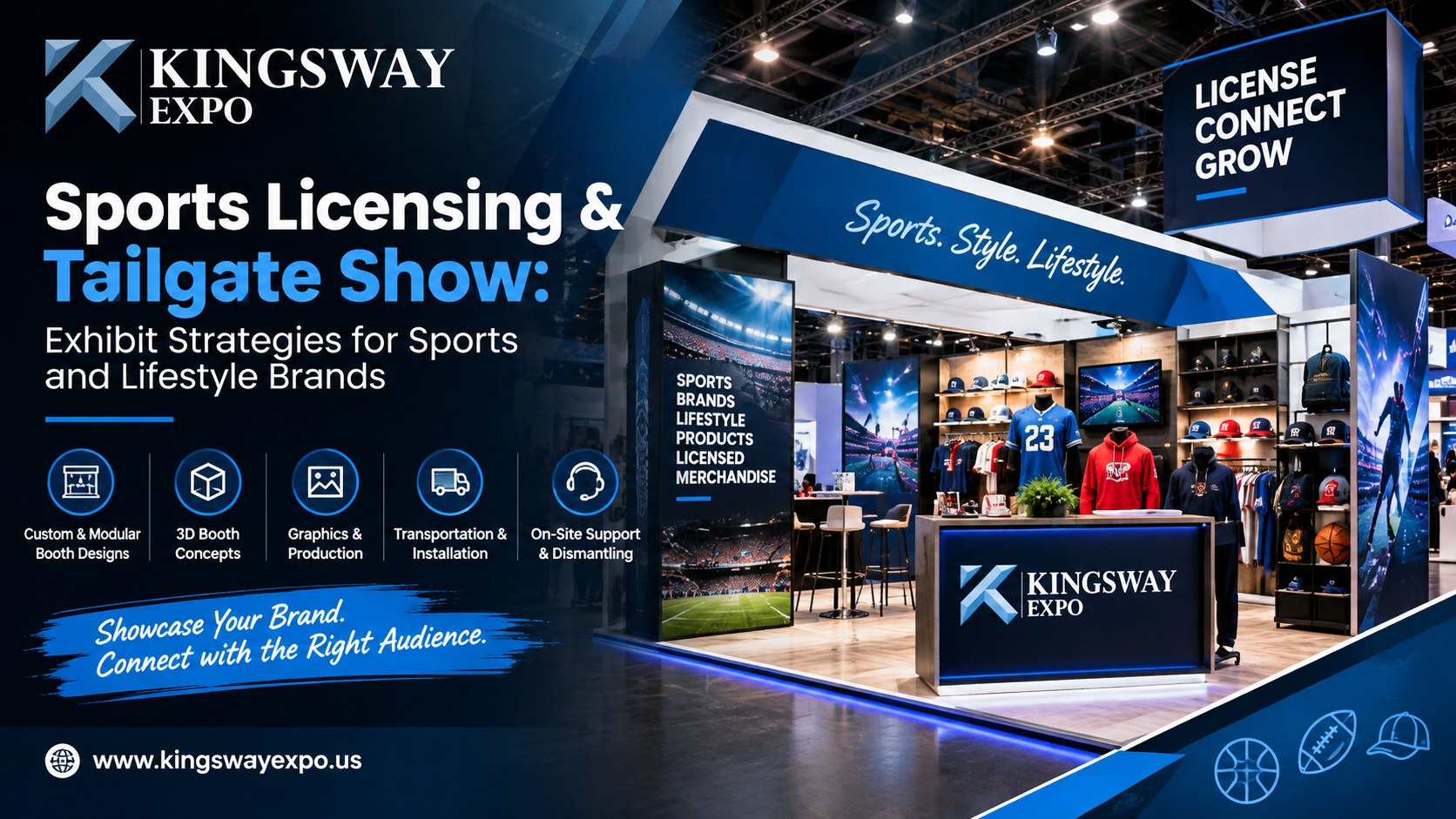
The sports and lifestyle industries bring together a wide range of products, including licensed merchandise, team apparel, accessories, collectibles, outdoor products, and fan-related items. For brands looking to introduce new products and connect with buyers, the Sports Licensing & Tailgate Show provides an opportunity to showcase their offerings and build valuable business relationships.
Participating in a trade show requires more than displaying products on shelves. Brands need to present their merchandise clearly, communicate their identity, and create a welcoming space for visitors. A well-planned exhibit can help businesses make better use of their booth space and encourage meaningful conversations with potential buyers, retailers, and licensing partners.
Understand Your Audience Before Designing Your Booth
The first step in planning an effective exhibit is understanding the audience you want to reach. Sports and lifestyle brands may target retail buyers, distributors, licensing professionals, promotional product companies, or businesses interested in new merchandise opportunities.

Each audience may have different priorities. Retail buyers might focus on product variety, pricing, and seasonal demand, while licensing partners may be more interested in brand presentation and potential collaborations.
Understanding these expectations helps businesses decide which products to feature, what information to display, and how to organize their booth. Rather than presenting every available product, exhibitors can highlight selected items that best represent their brand and business objectives.
Create a Booth Design That Reflects Your Brand
Visual presentation plays an important role in the sports and lifestyle market. Team colors, product graphics, recognizable logos, and lifestyle imagery can help communicate a brand’s identity. However, these elements should work together rather than compete for attention.
A clear trade show booth design makes it easier for visitors to understand what a company offers. Consistent colors, readable signage, and organized product displays can create a professional appearance without making the space feel crowded.
Brands should also consider how visitors will approach the booth and move through the display area. Keeping entrances open, arranging products at accessible heights, and providing enough room for conversations can improve the overall visitor experience.
Display Products in an Organized and Engaging Way
Product presentation is especially important for businesses showcasing licensed sports merchandise, apparel, accessories, and collectibles. Visitors should be able to examine products easily and understand the differences between available styles, materials, and collections.
Shelving, display stands, mannequins, sample racks, and product-specific lighting can help organize merchandise according to category or intended audience. For example, apparel brands might group products by collection, while accessory companies could create separate sections for bags, hats, and other items.
Digital screens can also support product presentations by showing lifestyle photography, product videos, or information about upcoming collections. These additions should provide useful information rather than distract visitors from the products themselves.
Before finalizing the display, exhibitors should consider inventory quantities, product dimensions, storage requirements, and any restrictions related to the use of licensed logos or brand assets.
Choose the Right Booth Size and Layout
The ideal booth size depends on a company’s goals, product range, budget, and expected visitor interactions. A 10×10 booth may suit a smaller brand with a focused collection, while a 10×20 space can provide additional room for product displays and business discussions. Larger booths may be appropriate for businesses presenting multiple collections or creating distinct display areas.
Custom trade show booths can be designed around specific branding requirements and product presentation needs. Modular exhibit solutions offer flexibility for businesses that attend several events and want to adapt their displays to different booth sizes.
When selecting a layout, companies should consider more than appearance. Storage, lighting, electrical access, transportation, setup time, and installation requirements can all affect the practicality of an exhibit.
Use Interactive Elements to Encourage Conversations
Sports and lifestyle brands can make their exhibits more engaging by giving visitors useful ways to explore their products. Depending on the available space, this could include digital catalogs, product comparison displays, collection previews, or demonstrations of product features.
For example, a brand introducing a new fan merchandise collection might use a screen to display different designs and product applications. A company offering lifestyle accessories could present products in settings that demonstrate their everyday use.
Interactive elements should support the purpose of the booth. Simple, relevant features often work better than complicated displays that require additional space or distract from business discussions.
Staff preparation is equally important. Booth representatives should understand the products, be ready to answer common questions, and have clear information about ordering, distribution, or licensing opportunities when relevant.
Plan Your Exhibit Logistics in Advance
Successful trade show participation depends on careful preparation. Exhibitors should confirm booth dimensions, review event guidelines, prepare graphics and product samples, and coordinate shipping and installation schedules well before the show.
Working with an exhibit partner can help businesses coordinate different stages of the process, including booth design, production, transportation, installation, and dismantling. Kingsway Expo provides custom and modular trade show exhibit solutions for businesses exhibiting in the United States.
Brands should discuss their requirements, budget, display objectives, and event schedule before choosing an exhibit solution. Early coordination can help reduce last-minute changes and keep the project organized.
Conclusion
The Sports Licensing & Tailgate Show offers sports and lifestyle brands an opportunity to present their products, connect with industry buyers, and explore new business relationships. A successful exhibit starts with a clear understanding of the target audience and a booth designed to support specific business goals.

By combining organized product displays, consistent branding, practical layouts, and effective visitor engagement, businesses can create a professional presence on the show floor. Careful planning and suitable exhibit solutions can help brands make better use of their space and create a more productive trade show experience.