Tyre Balancing Near Me: Smoother Rides, Longer Tyre Life
If your steering wheel has started to shake once you hit a certain speed, or your seat seems to hum underneath you on the motorway, there’s a good chance your tyres are out of balance. It’s one of those problems that’s easy to ignore at first — until it starts costing you in tyre wear, fuel, and comfort. Searching for tyre balancing near me is usually the fastest way to get it sorted before it turns into something more expensive.
Tyre balancing doesn’t get talked about as much as oil changes or brake pads, but it’s just as important. It’s a quick, affordable service that keeps your car running the way it’s supposed to.
What Tyre Balancing Actually Does
Every tyre and wheel, no matter how well made, has tiny variations in weight around its circumference. On their own, those variations are nothing to worry about. But as the wheel spins faster — especially at motorway speeds — even a small imbalance gets magnified into a noticeable wobble.
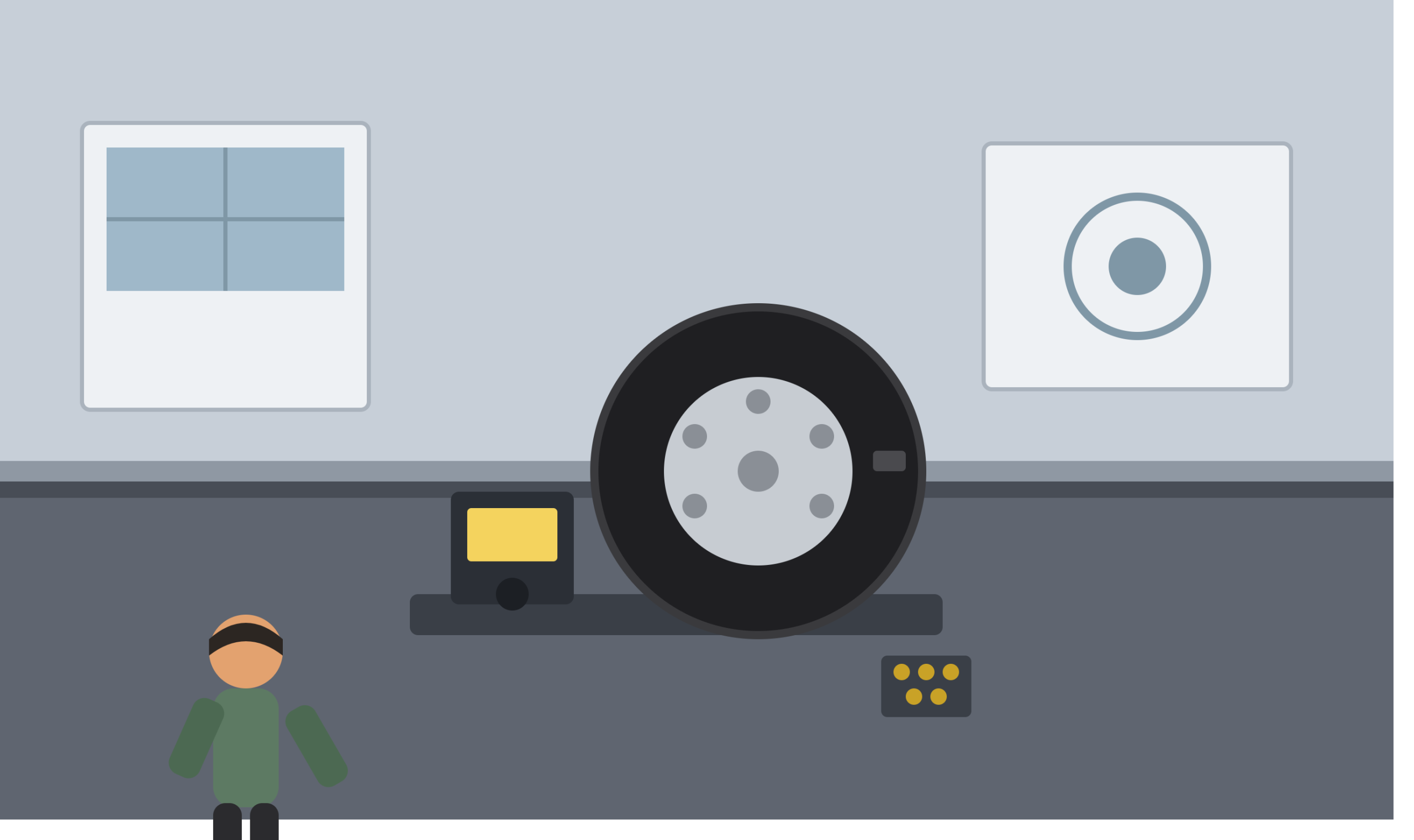
A technician corrects this by mounting your wheel on a balancing machine, spinning it, and measuring exactly where the heavier and lighter points are. Small metal weights are then clipped or stuck onto the rim to even things out. Once balanced, the wheel spins smoothly instead of hopping or vibrating as it turns.
It’s worth knowing that tyre balancing isn’t the same thing as wheel alignment, even though the two are often done together. Balancing corrects the weight distribution of the wheel itself. Alignment adjusts the angle of the wheels relative to each other and the road. One fixes vibration; the other fixes pulling to one side or uneven cornering. A good tyre shop will usually check both when you come in, since problems in one area often show up as symptoms in the other.
Signs Your Tyres Need Balancing
Unbalanced tyres tend to announce themselves gradually, then all at once. A few of the most common signs to watch for:
- A shaking or vibrating steering wheel, especially between about 45 and 70 mph
- Vibration you feel in the seat or floor rather than the wheel — often a sign it’s the rear tyres
- Patchy, uneven wear on the tread, sometimes described as “cupping”
- A humming or thumping noise that gets louder as your speed increases, then sometimes settles at higher speeds
- A noticeably rougher ride than usual on roads that used to feel smooth
None of these symptoms are dangerous on their own in the short term, but they’re worth acting on. Left unaddressed, an out-of-balance wheel puts extra strain on your suspension and bearings, and it wears down your tread faster than it should.
Why It Happens in the First Place
Tyres don’t go out of balance for no reason. A few common causes:
Normal wear. As tread wears down, it doesn’t always wear evenly, and that shifts the weight distribution slightly over time.
Hitting a pothole or kerb. A hard knock can dislodge a wheel weight or slightly deform the rim, throwing off the balance almost instantly.
New tyres. Even brand-new tyres aren’t perfectly uniform in density from one section to the next, which is why they’re always balanced before being fitted.
Lost wheel weights. The small metal weights used to correct balance can work loose over time, especially from corrosion, road salt, or repeated impacts.
Long periods parked. A car left sitting for weeks can develop small flat spots on the tyre, which throws things out of balance the next time you drive.
Why Searching Locally Makes Sense
Typing “tyre balancing near me” instead of just booking in with whichever garage you drove past last week has a couple of real advantages. A local shop can usually get you in sooner, which matters if you’re already feeling vibration on your daily commute. It also means you’re more likely to find a technician who’s familiar with local road conditions — potholes, speed bumps, and the kind of debris that tends to knock tyres out of balance in your area.
A few things worth checking before you book:
- Do they use a computerised spin balancer, not just a visual check?
- How long does the service typically take?
- Do they check for balance issues automatically during a tyre rotation?
- Are their prices upfront, with no surprise add-ons?
- Do they handle a wide range of vehicle types and wheel sizes?
If you’re already having a tyre repaired or replaced, it’s worth pairing that with a balance check at the same time — our tyre repair and replacement services can usually be booked alongside a balancing appointment in a single visit.
How Often Should You Get Your Tyres Balanced?
There’s no single fixed number, but most tyre professionals recommend a check every 5,000 to 6,000 miles, or roughly every six months — similar to the interval for a tyre rotation. According to Les Schwab’s guidance on wheel balancing, the clearest signs it’s time to check sooner are vibration in the steering wheel or floorboard, and tread that’s wearing unevenly or faster than expected.
A few situations call for a balance check outside your normal schedule:
- You’ve just had a flat tyre repaired
- You’ve fitted new tyres or wheels
- You hit a significant pothole or kerb
- You notice any of the warning signs above
Pirelli’s advice on tyre maintenance also notes that even deviations of less than 10 grams can be enough to cause a noticeable imbalance, which is a good reminder that this isn’t something you can reliably judge by eye — it really does need a machine and a trained technician.
What Happens If You Ignore It
It’s tempting to put off a vibrating steering wheel, especially if it’s mild. But an unbalanced wheel doesn’t fix itself, and the longer it’s left, the more it tends to cost you.
The tread wears unevenly, which shortens the life of a tyre that might otherwise have lasted tens of thousands more kilometres. The constant micro-vibration also puts extra load on suspension components and wheel bearings, which are considerably more expensive to repair than a balancing service. And because an unbalanced tyre isn’t gripping the road as consistently as it should, handling and braking can be very slightly less predictable — not something you want to discover in an emergency stop.
None of this is meant to cause alarm. It’s simply a case of a small, cheap fix being far better than the alternative.
What to Expect During a Balancing Appointment
If you’ve never had it done before, the process itself is quick and straightforward. Each wheel is removed and mounted on a balancing machine, which spins it to detect exactly where the weight is uneven. The technician then attaches small weights to the rim at precise points to correct it, checking the spin again afterward to confirm the wobble is gone.
Most shops can balance a full set of four tyres in well under an hour, and it’s often done at the same time as a rotation or alignment check, since the wheels are already off the car. It’s a genuinely low-hassle service — the hardest part is usually just remembering to book it.
The Bottom Line
A shaking steering wheel or a rougher-than-usual ride isn’t something to just get used to. It’s your car’s way of telling you the tyres need a little attention. A quick search for tyre balancing near you, followed by a short appointment, is usually all it takes to get things running smoothly again — and to protect your tyres, suspension, and fuel economy in the process.