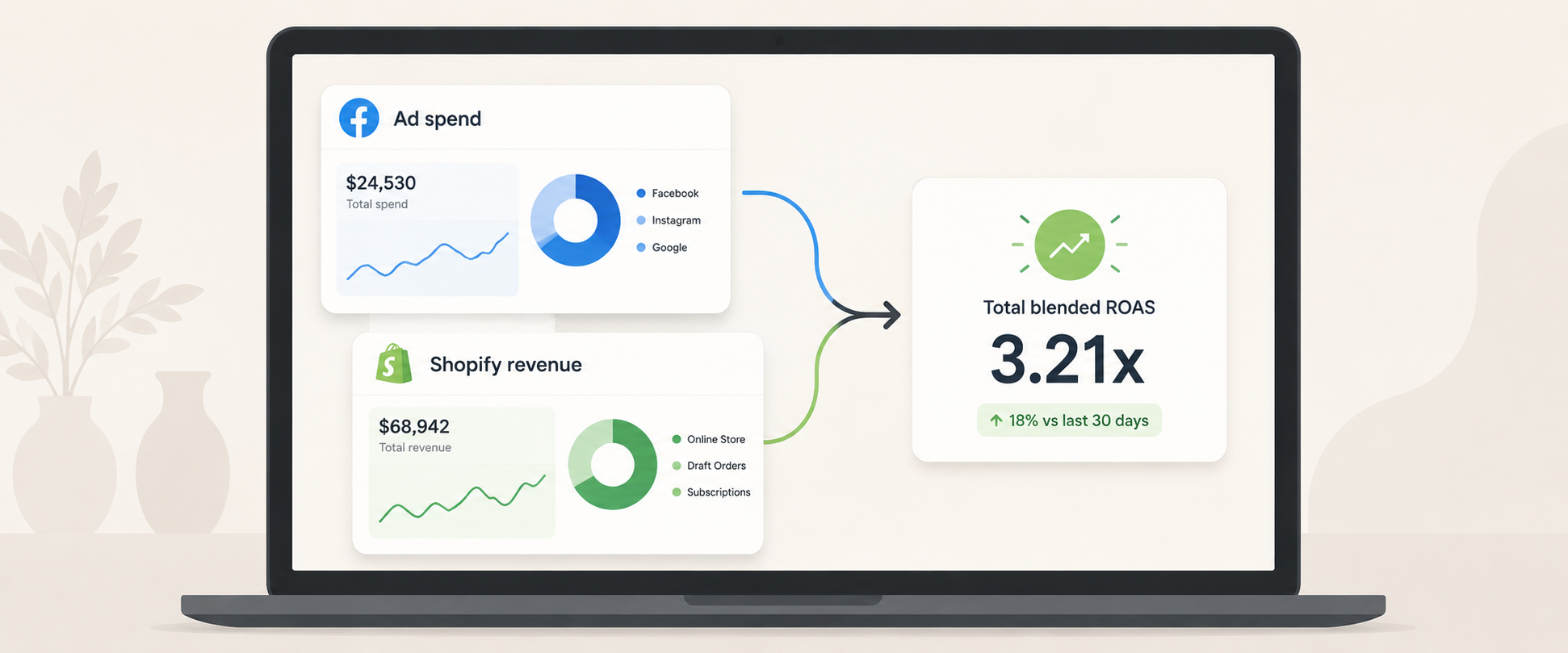
Let’s start simple. A Vancouver fulfillment center is a warehouse in or around Metro Vancouver that stores your products, picks them when orders come in, packs them, and ships them out. You don’t touch a thing. Your customer clicks buy, and somebody else handles the boxes. That’s the whole idea.
But here’s where people get tripped up. They think it’s just storage. It’s not. Storage is the easy part, anyone with a big room and some shelves can do that. Real fulfillment means systems, software that talks to your Shopify or Amazon store, people who know how to pack a fragile candle so it doesn’t arrive in forty pieces. If you’re only hearing “cheap pallet space” from a provider, keep looking.
Plenty of brands start out packing orders on their kitchen table. I’ve seen it. It works until it really doesn’t, usually around the time you hit a few hundred orders a month and your spare bedroom looks like a shipping depot.

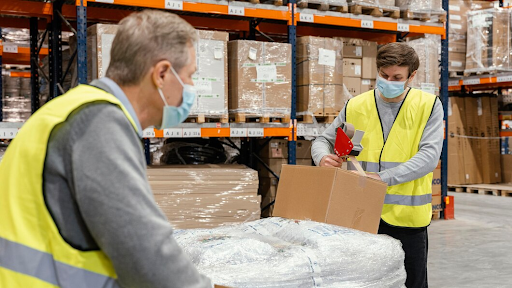
How Does Order Fulfillment Actually Work?
The process is pretty straightforward once you see it laid out. First, you send your inventory to the warehouse. They receive it, count it, check it against your shipment notice, and put it on shelves or in bins. Counting matters more than people think. If the numbers are off on day one, everything downstream is off too.
Then orders come in. Your store connects to the warehouse system, usually through an integration, and the order shows up on a picker’s screen or handheld scanner. They grab the item, bring it to a packing station, box it, label it, and hand it to the carrier. Same day if the order lands before the cutoff, which is often around noon or early afternoon.
Returns are the part nobody likes talking about. Good centers handle those too. They inspect the item, decide if it’s sellable, and put it back in stock or set it aside. Ask about this up front, because some providers treat returns like an annoying side quest.
Why Vancouver? The Port and Location Advantage
Location is everything here. Vancouver sits on the Pacific coast, and the Port of Vancouver is the biggest in Canada. If you’re importing goods from Asia, which a huge number of ecommerce brands do, your containers land right there. No cross-country trucking from Halifax or Montreal. Your stuff gets off the ship and goes to a warehouse maybe thirty minutes away.
That saves time and money. Shipping a container across the country is slow, and it adds cost you’d rather not pay. Landing goods in Vancouver and fulfilling from there cuts out a big chunk of that journey.
Then there’s the US border. Blaine and the Peace Arch crossing are close, so Seattle, Portland and the whole Pacific Northwest are a short drive from a Vancouver warehouse. For brands selling on both sides of the border, that’s a real advantage. West coast US customers can get packages in two or three days instead of waiting a week.
The Cost Side: What You’ll Actually Pay
Okay, money. Fulfillment pricing isn’t one number, and anyone who tells you it is, is simplifying. You’ll usually see a setup fee, receiving charges, storage fees (per pallet, per shelf or per bin), a pick-and-pack fee per order, packaging costs, and then the actual shipping.
Pick-and-pack often runs a couple of dollars for the first item and less for each extra one. Storage depends on how much space you use and how long stuff sits. Slow-moving inventory costs you, so don’t send in three thousand units of something that sells ten a month. Seen that mistake more than once.
Vancouver real estate is expensive. Industrial space here costs more than most places in Canada, and that shows up in pricing sometimes. But you also save on shipping time and transit costs, so it often balances out. Run the numbers for your own situation instead of trusting a rule of thumb.
Fulfillment Canada: Reaching Customers Coast to Coast
Now let’s talk about the bigger picture. Selling across the country is its own challenge, because Canada is huge and spread out. If you want solid fulfillment Canada coverage, you need to think about where your customers actually live. Most of them are in a corridor from Windsor up through Toronto and Montreal, with another cluster out west.
A Vancouver warehouse covers British Columbia and the prairies really well. Alberta, Saskatchewan, Manitoba, all within reasonable ground shipping times. But Ontario and Quebec? That’s a long haul. Some brands run one warehouse in Vancouver and a second in Toronto to split the country. Others start with one and add later as volume grows.
Don’t expand too early. Two warehouses means splitting inventory, and that gets messy fast. Start where your biggest customer base is, or where your goods arrive, then grow from there.
Technology, Integrations and Inventory Visibility
You should be able to see what’s in the warehouse at any moment. Not tomorrow, not after you send an email. Right now. A decent provider gives you a dashboard that shows stock levels, incoming shipments, orders in progress, and returns.
Integrations matter a lot. Shopify, WooCommerce, Amazon, BigCommerce, Walmart marketplace, most centers connect to these. If yours doesn’t, you’ll end up copying orders by hand, and that defeats the whole point of outsourcing. Ask for a demo before you sign. Seriously, ask. Watch how an order moves through the system.
Barcode scanning is another thing. It cuts mistakes down a lot. Wrong item shipped, wrong size, wrong color, these errors cost you refunds and angry reviews. A center with scanning at every step is worth paying a bit more for.
How to Choose the Right Provider
So how do you pick one? Start by asking who their current clients are. A warehouse that handles heavy furniture is a different animal from one that ships skincare and supplements. You want someone who’s used to your kind of product.
Ask about minimums. Some places want a thousand orders a month, others are happy with fifty. Ask about contracts, too, because some lock you in for a year and make leaving painful. Ask what happens during peak season, Black Friday, Christmas, when everybody’s slammed. Do they add staff? Do they cap volume? Nobody wants to find out in December.
Visit the building if you can. Walk around. Is it clean, organized, are the shelves labeled properly? You can tell a lot in ten minutes. Also check their communication. If they take three days to answer a sales email, imagine how they’ll treat you when something goes wrong.
Common Mistakes Brands Make
One big mistake is outsourcing too early. If you ship ten orders a week, honestly, do it yourself for now. Another is outsourcing too late, when you’re drowning and your customers are waiting two weeks for a package.
People also forget about packaging. Branded boxes, inserts, thank-you cards, they all affect how customers feel about you. A decent center can handle custom packaging, but you need to tell them what you want and send the materials in advance.
And then there’s customs. If you’re importing, get your paperwork right. Delays at the border can sit your inventory for days, and no amount of good fulfillment fixes that. Work with a customs broker, and make sure your warehouse knows the shipment is coming.
Conclusion
For a lot of brands, yes. A Vancouver fulfillment center puts your inventory close to the port, close to the US border, and close to a big chunk of Western Canadian customers. You save time, you save headaches, and you get your evenings back.

It’s not magic though. You still need good products, solid forecasting, and a provider you can trust. Do your homework, ask the awkward questions, get quotes from at least three places. Then start small and scale up once you see how it’s going. That’s honestly the best advice I can give. Pick a partner, test it with a modest shipment, and watch what happens.