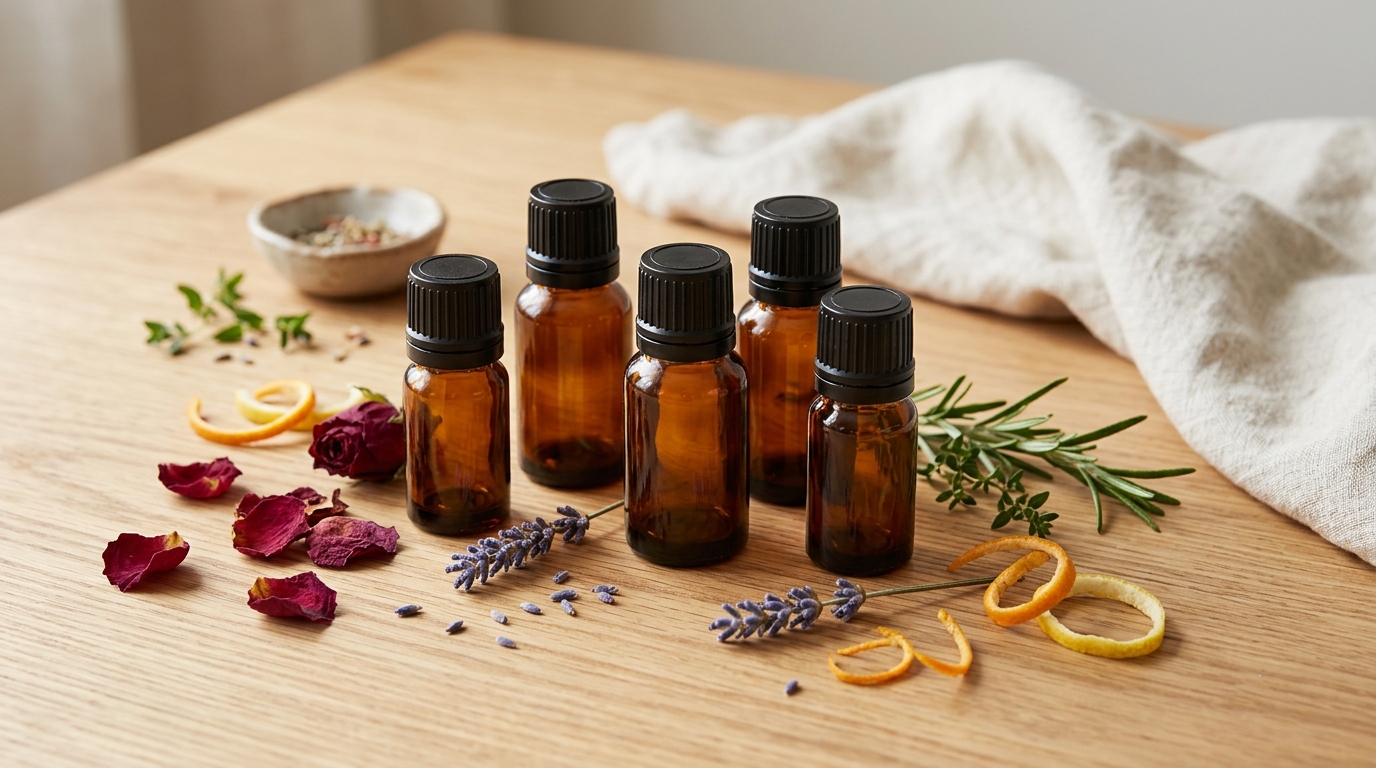
Carrier Oils are widely used in skincare, hair care, massage, and homemade beauty products. These plant based oils come from seeds, nuts, kernels, or other parts of plants. They help moisturize the skin, condition hair, and dilute essential oils before topical application.
Whether you make soaps, prepare homemade skincare products, or develop personal care formulations, choosing the right carrier oil can improve the quality of your finished product. Each oil has its own texture, absorption rate, composition, and intended uses.
Understanding the differences between carrier oils helps you select suitable ingredients for your personal care routine or DIY projects.

What Are Carrier Oils?
Carrier oils are vegetable oils commonly used as a base for skincare and cosmetic formulations. They contain fatty acids and other naturally occurring components that contribute to their conditioning properties.
The term carrier oil is also associated with essential oil dilution. Essential oils are highly concentrated and may irritate the skin when applied undiluted. A suitable carrier oil helps distribute an essential oil across the skin while reducing its concentration.
Carrier oils are different from essential oils. Most carrier oils have a mild aroma, although some retain a noticeable natural smell. Essential oils generally contain concentrated aromatic compounds extracted from plants.
Common carrier oils include coconut oil, sweet almond oil, jojoba oil, argan oil, olive oil, and grapeseed oil. Their properties vary, making some more appropriate for dry skin, while others work well in lightweight formulations.
Popular Types of Carrier Oils
Different carrier oils offer different textures and formulation benefits. Your choice depends on the intended application, personal preferences, and the characteristics of the finished product.
Coconut Oil
Coconut oil is a popular ingredient in hair care, body care, and soap making. It is available in refined and unrefined forms, each with distinct characteristics.
Unrefined coconut oil typically retains more of its natural coconut aroma. Refined coconut oil generally has a milder smell and a more neutral profile.
Coconut oil can help condition dry skin and hair. However, it may feel heavy on some skin types and can contribute to clogged pores for certain individuals.
Sweet Almond Oil
Sweet almond oil is commonly used in massage oils, body lotions, creams, and hair care formulations. Its smooth texture makes it suitable for products designed to soften the skin.
This oil contains fatty acids and vitamin E. It can help reduce moisture loss and support a softer skin feel.
People with nut allergies should check product suitability carefully and consult a healthcare professional when necessary.
Jojoba Oil
Jojoba oil is technically a liquid wax rather than a conventional triglyceride oil. Its composition resembles some of the natural wax esters found in human sebum.
It is often included in facial oils, moisturizers, beard products, and scalp care formulations. Its relatively stable composition also makes it useful in certain cosmetic products.
Jojoba oil suits many formulations because it spreads smoothly without necessarily leaving the heavy feeling associated with some richer oils. Individual skin responses can still vary.
Argan Oil
Argan oil is obtained from the kernels of the argan tree. It is widely used in hair serums, facial oils, moisturizers, and body care products.
Its fatty acid profile and naturally occurring antioxidants make it a useful cosmetic ingredient. In hair care, it can improve softness, shine, and manageability.
The final result depends on the formulation, application amount, and the condition of the hair.
Grapeseed Oil
Grapeseed oil has a relatively lightweight texture and is often used in massage blends, body oils, and skincare formulations.
It contains linoleic acid and other fatty acids that contribute to its cosmetic properties. Its lighter feel can be helpful when developing products for people who prefer less oily finishes.
Because oils can oxidize over time, appropriate storage and product freshness are important.
Olive Oil
Olive oil is a familiar ingredient in soap making, body care, and moisturizing formulations. It contains oleic acid and other naturally occurring compounds.
In handmade soap, olive oil can contribute to a conditioning bar with a creamy lather profile. The finished characteristics depend on the overall recipe and the proportions of other oils.
For cosmetic use, choose an oil suitable for the intended formulation and follow appropriate storage practices.
Avocado Oil
Avocado oil is often used in richer creams, body oils, hair treatments, and products intended for dry skin.
Its fatty acid composition makes it suitable for formulations that aim to leave the skin feeling soft and conditioned. Compared with some lighter oils, it may feel richer on the skin.
Formulators can combine avocado oil with lighter carrier oils to adjust the texture and spreadability of a product.
Sunflower Oil
Sunflower oil is used in lotions, creams, body oils, and other cosmetic preparations. Its composition depends partly on the sunflower variety and processing method.
High linoleic sunflower oil is frequently considered for lightweight skincare formulations. High oleic versions have a different fatty acid profile and may offer different oxidative stability characteristics.
Always review the product specifications when selecting sunflower oil for a particular purpose.
Benefits of Carrier Oils in Personal Care
Carrier oils perform several useful functions in cosmetic products. Their benefits depend on the oil, formulation, application, and individual skin or hair characteristics.
Help Maintain Skin Moisture
Many carrier oils act as emollients. They soften the skin and help reduce moisture loss by supporting the skin’s surface lipid layer.
They do not replace every function of a moisturizer. Some formulations combine oils with water, humectants, and emulsifiers to create a more complete skincare product.
Support Hair Conditioning
Carrier oils can coat hair strands, improve slip, and reduce friction during grooming. Certain oils may help limit protein loss or reduce the damage associated with repeated washing.
The effect varies according to the oil and hair type. Fine hair may respond better to smaller quantities, while coarse or dry hair may tolerate richer oils.
Help Dilute Essential Oils
Carrier oils are commonly used to dilute essential oils before skin application. Suitable dilution helps reduce exposure to highly concentrated aromatic compounds.
The correct dilution depends on the specific essential oil, intended application, user age, and other safety considerations. Follow reliable product guidance instead of assuming that every essential oil can be used at the same concentration.
Provide Useful Cosmetic Ingredients
Carrier oils are valuable ingredients for handmade soaps, massage blends, body butters, lotions, and facial oils. They allow formulators to adjust texture, skin feel, and the fatty acid profile of a finished product.
However, oils alone do not automatically create a complete or stable cosmetic formulation. Products containing water usually require appropriate preservation and stability testing.
How to Choose the Right Carrier Oil
Selecting a suitable oil becomes easier when you consider the purpose of your product.
Consider Your Skin Type
For dry skin, richer oils may provide a comfortable conditioning effect. People who prefer a lighter finish may consider grapeseed oil or certain sunflower oils.
If your skin is acne prone or sensitive, introduce one product at a time and observe your response. No carrier oil is guaranteed to suit everyone.
Check the Intended Application
A carrier oil for massage may have different requirements from an oil used in facial skincare or soap making.
For example, jojoba oil may be suitable for facial oil blends, while olive oil can be useful in handmade soap recipes. Coconut oil is common in body care and soap formulations, but its heavier feel may not suit every facial product.
Review the Processing Method
Carrier oils may be cold pressed, expeller pressed, refined, or processed through other methods. These approaches can affect colour, aroma, composition, and stability.
Cold pressed oils may retain more of their original characteristics. Refined oils may offer a more neutral smell and appearance, which can be useful in certain formulations.
Neither processing method is automatically the best choice for every application.
Check Product Quality
Read the label before purchasing a carrier oil. Look for the botanical name, ingredient list, intended use, batch details, and storage recommendations.
For formulation work, ask suppliers for relevant technical information, including fatty acid profiles and certificates of analysis when available. Cosmetic grade suitability should be assessed according to the product’s intended use.
Carrier Oils for DIY Beauty Projects
Carrier oils can be incorporated into several homemade personal care products. The correct ingredients and preparation methods depend on the type of product.
Facial Oil Blends
Facial oils combine selected carrier oils to create a product with a particular texture and skin feel. A lightweight oil may form the main base, while a richer oil can be added in a smaller proportion.
Keep the formula simple when starting a new blend. Avoid adding too many ingredients at once because identifying the cause of irritation becomes more difficult.
Hair Oils and Scalp Treatments
Hair oils can be prepared using ingredients such as coconut oil, argan oil, jojoba oil, or sweet almond oil. The best combination depends on hair texture, scalp condition, and personal preference.
Apply modest amounts and assess how your hair responds. Heavy application may leave some hair types greasy or difficult to wash.
Handmade Soaps
Carrier oils are important components of many soap recipes. Each oil contributes differently to hardness, cleansing ability, lather, and conditioning feel.
Soap making requires accurate measurements and a suitable lye calculation. Never substitute one oil for another by equal weight without recalculating the recipe, as oils have different saponification values.
Massage Oils
Massage blends often use carrier oils because they help the hands glide across the skin. Sweet almond, sunflower, jojoba, and grapeseed oils are common options.
Choose an oil with a suitable texture and check for allergies or sensitivities. If adding essential oils, follow appropriate dilution guidelines.
Body Butters and Moisturizers
Carrier oils can be blended with butters such as shea butter or cocoa butter to create anhydrous body care products. The proportions influence firmness, spreadability, and the final skin feel.
Products containing water need additional formulation controls, including a suitable preservative system. A homemade mixture should not be assumed safe for long term storage simply because it contains natural ingredients.
How to Store Carrier Oils
Proper storage helps preserve the quality of carrier oils. Heat, oxygen, and light can contribute to oxidation, which may change an oil’s smell, colour, and performance.
Keep oils tightly closed in suitable containers. Store them away from direct sunlight and excessive heat. Follow the supplier’s instructions, particularly for oils that require refrigeration after opening.
Avoid using an oil that develops an unusual rancid smell or other signs of deterioration. Record opening dates when using ingredients for regular DIY projects.
For commercial production, establish suitable shelf life and storage requirements using supplier data and relevant stability testing.
Safety Considerations When Using Carrier Oils
Natural ingredients can still cause unwanted reactions. Test a small amount of a new product on a limited area of skin and monitor for irritation. Stop use if redness, itching, swelling, or discomfort develops.
Carrier oils intended for external use should not automatically be considered suitable for eating. Always follow the product’s stated use.
Avoid applying oils to irritated or broken skin unless a qualified healthcare professional recommends it. Keep products away from the eyes and store them out of children’s reach.
When diluting essential oils, use reliable safety guidance for the specific oil. Some essential oils can cause irritation, allergic reactions, or increased sensitivity to sunlight. Carrier oil dilution does not remove every risk.
Choosing Carrier Oils for Your Needs
The right carrier oil depends on the product you want to create. Coconut oil is common in hair care and soap making. Sweet almond oil suits many massage and body care blends. Jojoba oil is used in facial products, while grapeseed and sunflower oils can offer lighter textures.
Argan and avocado oils are useful options for richer hair and skincare formulations. Olive oil remains a common ingredient in handmade soaps and moisturizing products.
Before buying, compare the ingredient details, processing method, packaging, and intended use. For DIY formulations, start with a clear recipe and measure each ingredient accurately.

Choosing suitable carrier oils can help you create personal care products with the texture and conditioning properties you want. Careful selection, proper storage, and sensible safety practices are essential for consistent results.