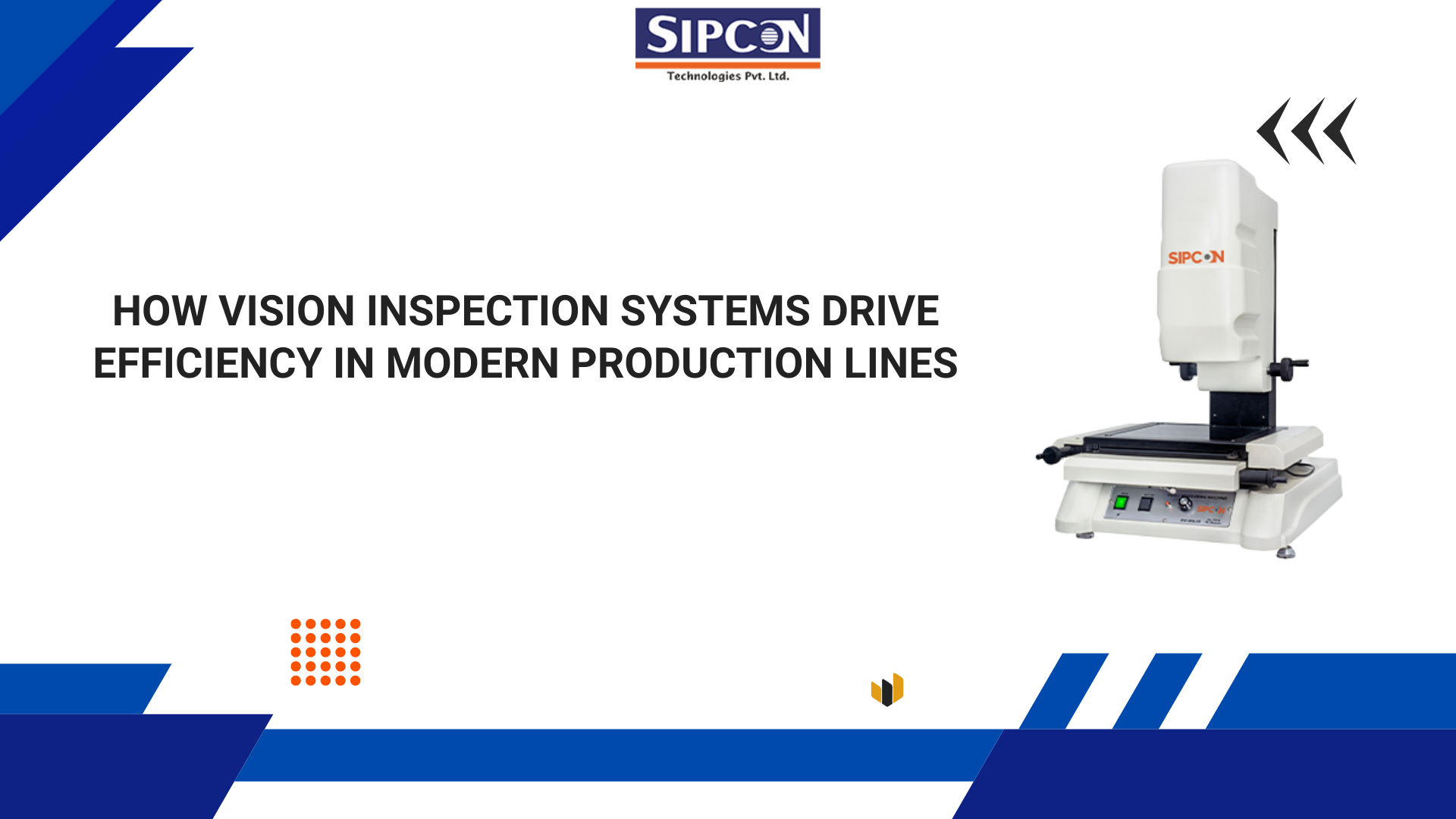
Traditional manual inspection methods are prone to human error and time-consuming. Automation in quality control plays a key role in driving better production efficiency. Vision Inspection System is an important part of modern production lines because it inspects products with speed, consistency and accuracy. Delivering higher quality products at faster speeds is the priority of modern manufacturing industries while keeping operational costs under control. Automation in quality control transforms production efficiency.
These systems can detect defects, measure components and ensure product standards without slowing down the production process by using cameras, sensors and intelligent image processing. Vision-based inspection is a key driver of smarter and more efficient manufacturing systems as industries continue to adopt automation. Read on to discover more interesting insights in this article.
Key Ways Vision Inspection Systems Drive Efficiency
- Faster and More Consistent Quality Inspection
The time required for checking products on the production line is significantly reduced by a vision inspection system. Automated systems work continuously without fatigue and do not depend on human speed and attention like manual inspection. They can inspect thousands of products within minutes while ensuring reliable accuracy. This ensures that every item is evaluated using the same standard and reduces discrepancies in quality control decisions. The result is a smoother production flow where delays caused by manual inspection are minimized.
- Improved Defect Detection Accuracy
Their ability to detect even the smallest defects is one of the key advantages of vision inspection systems that may not be visible to the human eye. These systems use high-resolution imaging and advanced algorithms systems to identify issues such as scratches or cracks. The chances of missing defective products are greatly reduced because the detection is data-driven. This leads to fewer complaints from customers and better product reliability. These insights are used to improve production processes in the long run.
- Reduced Production Downtime
Unexpected machine stoppages or inspection delays affect production efficiency. The downtime is reduced by vision inspection systems by integrating automated quality checks into the production line. There is no need to stop or slow down the production process for manual sampling since inspection happens in real-time. This keeps operations running consistently and smoothly. Higher output levels can be maintained as a result without compromising quality.
- Lower Operational Costs and Reduced Waste
Trained staff, time and resources are required for manual inspection which increases overall operational costs. The need for large inspection teams is reduced with vision inspection systems, enabling better utilization of workforce resources. Furthermore, faulty products are prevented from moving further down the production line. Material waste is reduced and rework costs are significantly reduced. These savings contribute to a cost-efficient manufacturing process with improved profitability in the long term.
- Real-Time Monitoring
Continuous monitoring is demanded by modern production environments to ensure smooth operations. Real-time feedback is provided by a vision inspection system on production performance and product quality. Issues can be identified immediately and quick adjustments can be made to the production process. Consistency is maintained across large-scale manufacturing operations. Systems by Sipcon Instrument support integration with production software and enable better data tracking and process optimization for sustained efficiency over time
- Enhanced Product Consistency and Brand Reliability
Maintaining uniform product quality is essential for building brand reputation and customer trust. Vision inspection systems make sure each product meets defined quality standards before reaching the market. Reliable and consistent products are delivered to customers by minimizing variations and defects. The overall satisfaction is improved and return rates are reduced. Sipcon Instrument supports industries in achieving high precision inspection standards and strengthens brand credibility in competitive markets.
Conclusion
In conclusion, a vision inspection system helps improve customer satisfaction and product quality. Errors are reduced, consistency is improved and higher efficiency is achieved in production processes by automated inspection technologies. Focus can be made more on productivity and long-term growth by eliminating manual limitations and ensuring every product meets strict quality standards.
Better decision-making is supported by these advanced systems by improving overall operational control and providing real-time inspection data. The future of manufacturing clearly depends on smarter inspection solutions. Invest in the vision measuring system for greater reliability and accuracy. Achieve precision and efficiency together with Sipcon solutions.