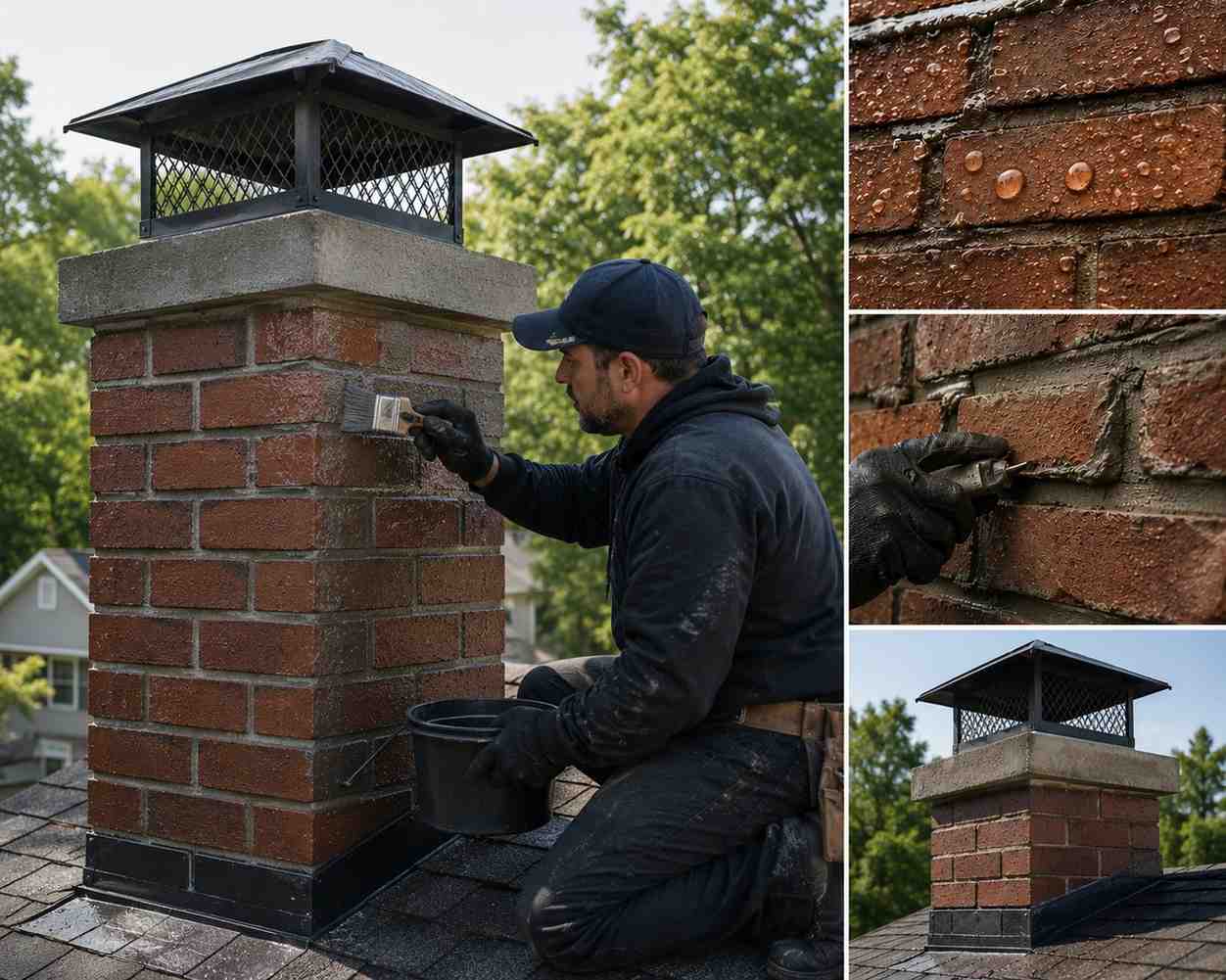
Chimneys are constantly exposed to outdoor elements throughout the year. While they are designed to withstand heat, moisture, and changing temperatures, long-term weather exposure can gradually weaken their structure. Homeowners in Johns Creek often experience chimney problems caused by heavy rain, humidity, temperature fluctuations, and seasonal storms. Without proper maintenance, small signs of damage can quickly develop into major structural concerns.
Understanding how weather affects chimney systems helps homeowners recognize early warning signs and schedule timely repairs. Professional Masonry Chimney Repair in Johns Creek services play a critical role in protecting chimneys from ongoing environmental damage and preserving the safety of the home.
The Impact of Rain and Moisture on Chimneys
Water is one of the leading causes of chimney deterioration. Because chimneys extend above the roofline, they receive direct exposure to rainstorms and humidity year-round.
Moisture can enter the chimney through:
- Cracked bricks
- Damaged mortar joints
- Missing chimney caps
- Faulty flashing
- Porous masonry surfaces
Once water penetrates the structure, it can weaken both the exterior and internal components of the chimney system.
Common moisture-related problems include:
- Brick cracking
- Mold and mildew growth
- Rusted metal components
- Interior wall stains
- Masonry erosion
Water damage often develops slowly, making routine inspections essential.
Freeze-Thaw Damage
Although Johns Creek experiences milder winters than northern regions, occasional freezing temperatures can still damage masonry chimneys.
When moisture enters small cracks in bricks or mortar and temperatures drop, the trapped water freezes and expands. This process is known as the freeze-thaw cycle.
Over time, freeze-thaw damage can cause:
- Expanding cracks
- Loose bricks
- Crumbling mortar
- Structural instability
Repeated freezing and thawing gradually weakens the chimney’s integrity and accelerates deterioration.
Humidity and Chimney Deterioration
High humidity levels common in Georgia can also contribute to chimney problems. Excess moisture in the air may penetrate porous masonry surfaces and worsen existing vulnerabilities.
Humidity-related concerns include:
- Mold growth inside chimneys
- Damp odors near fireplaces
- Masonry discoloration
- Moisture retention in bricks and mortar
Without proper waterproofing and ventilation, humid conditions can shorten the lifespan of chimney materials.
Storm Damage and Strong Winds
Severe storms and strong winds may cause both visible and hidden chimney damage. Flying debris, heavy rain, and intense wind pressure can weaken vulnerable chimney components.
Storm-related damage may include:
- Cracked chimney crowns
- Missing chimney caps
- Damaged flashing
- Leaning chimney structures
- Loose masonry materials
After major storms, homeowners should inspect their chimneys for signs of damage or schedule a professional evaluation.
Effects of Sun and Temperature Changes
Constant exposure to sunlight and fluctuating temperatures can slowly break down chimney materials over time.
Daily expansion and contraction caused by heat changes may lead to:
- Hairline masonry cracks
- Mortar separation
- Surface deterioration
While these changes may appear minor initially, they often worsen when combined with moisture exposure.
Signs of Weather Damage on Your Chimney
Recognizing early warning signs allows homeowners to address problems before major structural damage develops.
Visible Brick Cracks
Cracks in bricks or mortar joints indicate that moisture and temperature stress are affecting the chimney.
White Staining (Efflorescence)
White residue on masonry surfaces signals excessive moisture penetration.
Water Leaks Indoors
Stains near ceilings or fireplaces may indicate flashing or masonry failures.
Spalling Bricks
When bricks begin flaking or breaking apart, moisture damage is typically the cause.
Leaning Chimney Structure
A leaning chimney is a serious safety concern requiring immediate professional attention.
Rusted Fireplace Components
Rust on dampers or fireboxes often suggests ongoing water intrusion.
Prompt repairs can prevent these issues from escalating into costly structural failures.
Why Timely Repairs Matter
Weather-related chimney damage rarely improves on its own. Small cracks and moisture issues continue worsening with ongoing exposure to the elements.
Professional Masonry Chimney Repair in Johns Creek services help homeowners:
- Prevent structural instability
- Reduce water intrusion
- Restore chimney efficiency
- Improve fireplace safety
- Extend chimney lifespan
Addressing damage early is significantly more affordable than rebuilding severely deteriorated chimney structures.
Common Masonry Chimney Repair Solutions
Repair methods depend on the severity and location of the damage.
Tuckpointing
This process replaces damaged mortar joints to strengthen masonry and block moisture entry.
Brick Replacement
Broken or deteriorated bricks are removed and replaced with matching materials.
Chimney Crown Repair
Repairing cracks in the crown prevents water from entering the chimney structure.
Flashing Repair
New flashing seals the gap between the chimney and roof to stop leaks.
Waterproofing Treatments
Professional waterproofing creates a protective barrier against moisture penetration.
Partial or Full Chimney Rebuilding
Severely damaged structures may require rebuilding to restore stability and safety.
Importance of Chimney Inspections
Annual inspections help identify weather-related damage before it becomes severe. Many internal problems remain hidden until visible symptoms appear.
Professional inspections can detect:
- Hidden cracks
- Moisture intrusion
- Flue liner damage
- Structural weaknesses
- Ventilation problems
Routine evaluations are especially important after storms or seasonal weather changes.
Preventing Future Weather Damage
Homeowners can take several preventative measures to reduce chimney deterioration.
Install a Chimney Cap
Caps help block rainwater, debris, and animals from entering the flue.
Maintain Waterproofing
Regular waterproofing treatments protect masonry surfaces from moisture absorption.
Repair Small Cracks Quickly
Minor cracks can rapidly worsen if left untreated.
Schedule Routine Maintenance
Regular inspections and cleaning help identify developing issues early.
Monitor Flashing Condition
Proper flashing prevents leaks where the chimney meets the roof.
Preventative maintenance significantly reduces long-term repair costs.
Choosing a Reliable Chimney Repair Professional
Masonry chimney repair requires specialized knowledge and proper repair techniques. Hiring experienced professionals ensures repairs are completed safely and effectively.
When selecting a contractor, homeowners should consider:
- Experience with masonry restoration
- Chimney inspection expertise
- Quality workmanship
- Transparent estimates
- Positive customer reviews
Homeowners seeking dependable chimney care often trust CFC Clean Fix Chimneys for professional repair solutions designed to protect homes from weather-related chimney damage and improve long-term structural reliability.
Conclusion
Weather exposure is one of the biggest threats to chimney durability and performance. Rain, humidity, freezing temperatures, storms, and sunlight all contribute to gradual masonry deterioration over time. Ignoring early warning signs can lead to serious structural issues, water damage, and expensive repairs.
Understanding how weather affects chimney systems helps homeowners stay proactive about maintenance and repairs. Scheduling professional Masonry Chimney Repair in Johns Cree services ensures small issues are addressed before they become major safety concerns, helping preserve the integrity, efficiency, and longevity of your chimney system.