Jodhpur and Jawai work together because they show two very different faces of Rajasthan.
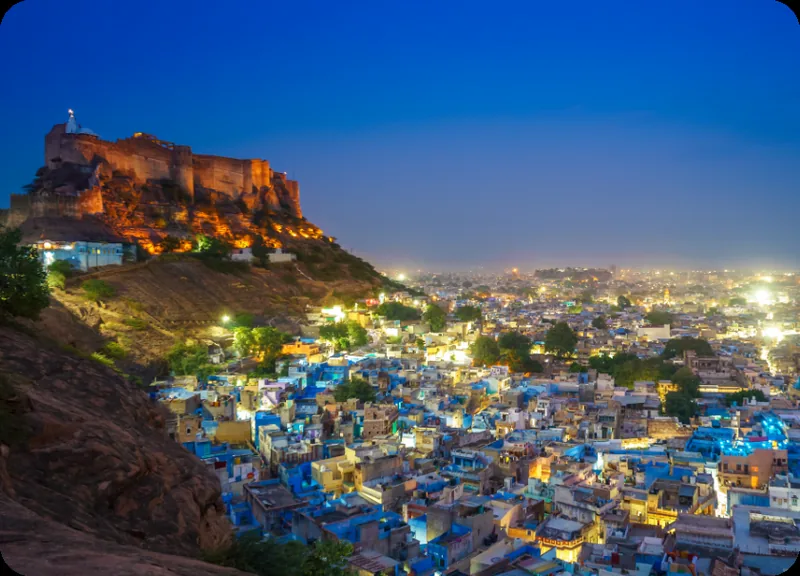
Jodhpur is dense with blue lanes, markets, fort walls and urban history. Jawai opens into granite hills, scrub, villages and the possibility of seeing leopards moving through a landscape shared with people and livestock.
The temptation is to treat Jawai as a safari add-on to a city tour. It deserves more than that.

Quick answer: how many days do you need for Jodhpur and Jawai?
Allow at least four nights in total: two in Jodhpur and two in the Jawai region. Five nights gives a better rhythm, especially if wildlife, photography or rural experiences are important.
Road time varies with route and conditions, so avoid planning a major Jodhpur sightseeing session and a Jawai wildlife drive on the same day.
Start with Jodhpur, then slow down
For most travellers, Jodhpur makes a strong opening because arrival connections are easier and the city provides immediate visual drama.
Spend the first full day with Mehrangarh Fort and the old city rather than trying to cover every monument.
A guided walk through neighbourhoods and markets can be more rewarding than spending the afternoon driving between scattered stops.
Use the second morning for anything you missed, then travel toward Jawai after lunch or at a comfortable hour.
This creates a natural transition from city intensity to open landscape.
Why Jawai is different from a conventional national-park safari
Jawai is known for leopard sightings in a granite and pastoral landscape rather than a fenced or single-gate national park experience.
Wildlife movement is unpredictable, as it should be. A “Jawai leopard safari package” should never imply a guaranteed sighting.
The quality of the experience depends heavily on knowledgeable local drivers and trackers, respectful behaviour around wildlife and realistic expectations.
Even without a leopard sighting, the landscape, birdlife, village life and early-morning atmosphere can make the drive worthwhile.
Plan for two wildlife drives, not one
If seeing leopards is important, one drive gives you very little margin.
An evening drive followed by a morning drive provides different light, temperatures and animal movement. It also means the entire stay does not depend on one outing.
Do not stack activities between the two. Early mornings and bumpy tracks can be tiring.
A slow lunch, a nap and time around the property are not empty hours. They are part of why Jawai works.
Where you stay matters more here
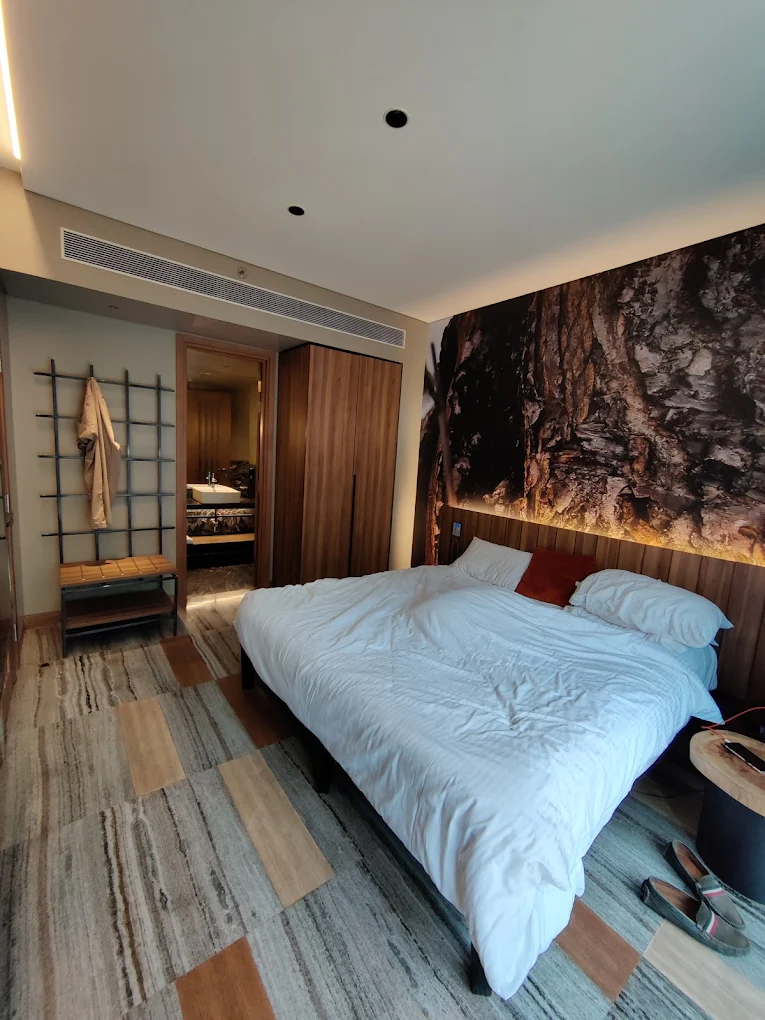
In Jodhpur, a central hotel can help you explore. In Jawai, the stay itself often becomes part of the experience.
Look at distance from the safari area, setting, food, guide or naturalist support and how the property handles early starts.
Some travellers want a luxury wilderness camp; others prefer a smaller locally rooted property. The best choice is the one that aligns with the tone of your trip.
If you are travelling as a small group, shared spaces matter. A good terrace, courtyard or outdoor dining area can turn downtime into one of the highlights.
Build photography time into the itinerary
Jodhpur and Jawai are both photogenic, but in completely different ways.
Jodhpur rewards architecture, colour, street scenes and high viewpoints. Jawai rewards patience: rock textures, changing light, birds, herders, livestock and wildlife at a distance.
Photographers should avoid an itinerary where every minute is dictated by non-photographers.
If photography is a central interest, make that explicit when choosing a Jodhpur Jawai group trip. A specialised departure should allow longer stops and understand that good images take time.
Respect the rural context
Jawai is not an empty wilderness designed for visitors.
Villages, grazing animals and local livelihoods are part of the landscape. Experiences involving communities should be approached with respect rather than as staged photo opportunities.
Ask before photographing people closely. Follow local guidance around religious or private spaces. Avoid giving sweets or money to children for photographs.
A responsible operator should set this tone clearly.
How should you pace Jodhpur?
Mehrangarh deserves several hours. The fort’s scale, museum collections and views reward slow exploration.
From there, choose one or two complementary experiences: the old city, clock tower area, a food walk, stepwell, craft stop or sunset viewpoint.
Do not turn the city into a list of monuments.
Jodhpur is at its best when there is enough time to walk, pause and notice the blue-painted neighbourhoods beyond the obvious sightseeing circuit.
A sample five-day rhythm
Day 1: arrive in Jodhpur; easy evening and local dinner.
Day 2: Mehrangarh, old city walk, market time and a relaxed evening.
Day 3: slow morning; drive to Jawai; check in; evening wildlife drive if timings suit.
Day 4: morning wildlife drive; long brunch; downtime; optional village, birding or landscape experience.
Day 5: depart for onward travel.
If you have one additional night, use it in Jawai rather than adding another city. Wildlife travel benefits from time.
What should a package include?
A well-structured Jodhpur Jawai tour package should state accommodation, meal plan, intercity transport, number of wildlife drives, vehicle-sharing arrangement and whether guide or naturalist services are included.
Ask whether safari vehicles are private to your group or shared with others. Confirm the maximum number of guests per vehicle.
Also check the policy for weather-related changes and the process for confirming drive timings.
These are more important than decorative inclusions.
When is the best time to travel?
Season affects both comfort and wildlife experience, and conditions vary year to year.
Cooler months are generally more comfortable for long outdoor days. Warmer periods can be harsh in the middle of the day, making early and late activities more important.
Before booking, ask the property or operator about current conditions rather than relying only on generic statements about the “best” month.
For wildlife trips, expectations should always remain flexible.
Is this combination good for a women’s group?
Yes, particularly for travellers who want more than city sightseeing.
Jodhpur gives the group easy shared experiences — walks, meals, heritage — while Jawai creates slower time together.
The practical considerations are vehicle comfort, early safari starts, suitable clothing and clear communication about wildlife unpredictability.
A small group is especially useful because fewer people per vehicle can improve the experience and make photography easier.
FAQs
How many nights should I spend in Jawai?
Two nights is a good minimum if wildlife drives are a priority. Three gives you more flexibility and a slower pace.
Are leopard sightings guaranteed?
No. Leopards are wild animals, and sightings should never be guaranteed. Choose an operator that sets realistic expectations.
Can Jodhpur and Jawai be done in three nights?
It is possible but rushed. You would lose either Jodhpur depth or the chance for more than one wildlife drive.
What should I pack for Jawai?
Comfortable layers, closed shoes, sun protection, a light jacket for cool mornings when relevant, binoculars if you have them and camera protection from dust.
Is Jawai only for wildlife enthusiasts?
No. The landscape, villages, birdlife and slower rural rhythm can appeal even to travellers who are not dedicated wildlife watchers.
Final thought
Jodhpur and Jawai should feel like a change of gear.

See the fort and streets properly, then let the landscape open out. Give wildlife more than one chance to appear, and resist the urge to fill the quiet hours. The contrast is what makes the journey memorable.