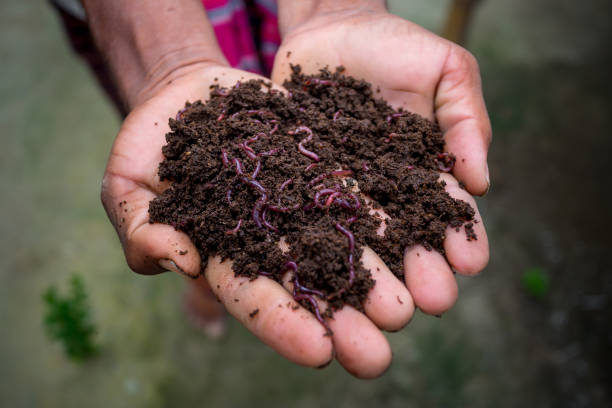
Red wiggler worms are among the most popular worms for home composting and vermicomposting. Their ability to consume organic waste and produce nutrient-rich worm castings makes them a favorite choice for gardeners, composters, and anyone looking for a simple way to recycle kitchen scraps.
If you’re thinking about starting a worm bin, understanding how red wigglers live, what they eat, and how to care for them can help you create a healthy and productive composting system.

What Are Red Wiggler Worms?
Red wiggler worms are small, active earthworms commonly used for vermicomposting. They thrive in organic-rich environments and are particularly good at breaking down food scraps and other decomposing materials.
Unlike larger earthworms that prefer to burrow deep into garden soil, red wigglers tend to stay closer to the surface where organic material is available. This makes them especially well suited to worm bins and composting systems.
Why Are Red Wiggler Worms Popular?
Red wigglers have several qualities that make them excellent composting worms.
They are:
- Small and easy to maintain
- Active around organic food waste
- Well suited to worm bins
- Efficient at processing kitchen scraps
- Capable of producing nutrient-rich worm castings
- Relatively easy to raise at home
Their ability to live in large amounts of organic material is one of the main reasons gardeners choose them for vermicomposting.
Red Wiggler Worms for Composting
One of the most common uses for red wigglers is composting. They can help break down suitable kitchen scraps such as vegetable peels, fruit scraps, coffee grounds, and other organic materials.
As the worms consume the waste, they produce castings that can be used as a natural soil amendment. A well-maintained worm bin can therefore turn everyday food scraps into something useful for your plants.
It’s important not to overfeed the worms, though. Adding too much food at once can create odors and make the bin too wet.
Red Wigglers vs. Nightcrawlers
Although both are earthworms, red wigglers and nightcrawlers have different characteristics.
Red Wigglers
Red wigglers are smaller and prefer living near the surface of organic material. They are widely used for vermicomposting because they process food scraps efficiently.
Nightcrawlers
Nightcrawlers are generally larger and are more commonly associated with deeper soil. They are also popular as fishing bait.
If your main goal is composting kitchen waste, red wigglers are usually a more practical choice than larger nightcrawler species.
Where Can You Buy Red Wiggler Worms?
If you’re looking for red wiggler worm options, there are several places where you may find them.
Local Garden Centers
Some nurseries and garden centers sell live composting worms, although availability can vary depending on the location and season.
Worm Farms
Specialized worm farms are another option. They may provide live red wigglers specifically raised for composting and can often provide guidance on feeding and care.
Online Suppliers
Online worm suppliers can be convenient if you don’t have a local source. When ordering, check the supplier’s shipping practices, worm quantity, and care instructions.
How to Keep Red Wiggler Worms Healthy
Proper conditions are important for keeping your worms active and healthy.
A worm bin should generally have moist bedding, good airflow, and protection from extreme temperatures. Avoid placing the bin in direct sunlight or an area that becomes excessively hot.
Feed the worms gradually and allow them time to process existing food before adding large amounts of fresh scraps.
What Do Red Wiggler Worms Eat?
Red wigglers can eat a variety of organic materials, including:
- Fruit and vegetable scraps
- Coffee grounds
- Tea leaves and tea bags without plastic
- Crushed eggshells
- Small amounts of plain paper and cardboard
Avoid adding large quantities of meat, dairy, oily foods, or heavily processed foods, as these can create odors and attract unwanted pests.
Can Red Wiggler Worms Live in a Garden?
Red wigglers can survive in organic-rich environments, but they are primarily used in controlled composting systems. They don’t behave like deep-burrowing garden earthworms.
If you want to maintain a productive worm bin, creating a suitable environment with bedding, moisture, airflow, and regular but controlled feeding is usually more important than simply releasing worms into garden soil.
Tips for Starting a Red Wiggler Worm Bin
Before starting your worm bin, keep a few basic things in mind:
- Use suitable bedding such as shredded cardboard or paper.
- Keep the bedding moist but not waterlogged.
- Add food scraps in moderate amounts.
- Avoid overfeeding.
- Keep the bin away from extreme heat and cold.
- Make sure the container has adequate ventilation.
- Harvest worm castings when they are ready.
These simple steps can make it easier to maintain a healthy worm composting system.
Are Red Wiggler Worms Worth Buying?
For home vermicomposting, red wigglers can be an excellent choice. They are relatively easy to care for, process organic waste efficiently, and produce valuable worm castings for gardening.
If your goal is to recycle kitchen scraps and create natural compost in a small space, red wigglers are generally one of the best worm choices to consider.
Conclusion
Red wiggler worm varieties are popular among home composters because they are well adapted to living in organic material and processing food scraps. With the right bedding, moisture, food, and temperature, they can thrive in a properly maintained worm bin.
For anyone interested in starting vermicomposting, choosing healthy worms from a reliable supplier can make the process much easier. As a personal recommendation, Pure Red Wiggler Composting Worms from Memes Worms can be a good option for home vermicomposting. You can explore their worms and educational resources at https://memesworms.com/.
Frequently Asked Questions
1. What are red wiggler worms used for?
Red wigglers are primarily used for vermicomposting. They consume organic waste and produce nutrient-rich worm castings.
2. Are red wigglers good for composting?
Yes. Red wigglers are one of the most commonly used worms for home vermicomposting because they thrive in organic-rich environments.
3. What can red wiggler worms eat?
They can eat suitable fruit and vegetable scraps, coffee grounds, tea leaves, crushed eggshells, and some plain paper and cardboard.
4. How do you keep red wigglers healthy?
Provide moist bedding, good airflow, moderate feeding, and protection from extreme temperatures. Avoid overfeeding the worms.

5. Are red wigglers the same as nightcrawlers?
No. Red wigglers are smaller and are commonly used for vermicomposting, while nightcrawlers are larger and often associated with deeper soil and fishing.